
Sign up here to subscribe to the Grower2grower Ezine. Every two weeks you will receive new articles, specific to the protected cropping industry, informing you of industry news and events straight to your inbox.
3
Dec 2024
Dec 2024
Design a Semi Closed Greenhouse with Hortinergy
Hortenergy is an online software that helps to design the most suitable and energy efficient greenhouse.
It simulates inner climate (temperature, humidity) and energy consumption (heating, cooling, dehumidification) of your greenhouse project anywhere in the world.
With Hortinergy, you can:
- Compare different technical solutions and define climate setpoints
- Find the optimal configuration for your objectives
- Reduce your energy costs and improve sustainability
The semi-closed greenhouse model was released two years ago and has been improved thanks to user’s feedback.
1. Modelling the semi-closed greenhouse in Hortinergy
The semi-closed greenhouse model includes:
- A climate control settings
- Equipment
- Regulation

The following equipment can be implemented in the semi-closed model:
- Air ventilation in tubes, including electricity energy consumption,
- Controlled external ventilation for dehumidification,
- Air recirculation in the tubes,
- Adiabatic cooling with pad or fog system.
Crop evapotranspiration model depends on temperature, relative humidity, solar radiation, inner air velocity as well as crop type and development.
2. Results of the semi-closed greenhouse model
Hortinergy provides a detailed analysis of the:
- Hourly inner climate in the semi-closed greenhouse
- Energy, electricity and water consumption
Here are the results of a semi-closed greenhouse located in southern France in a hot and dry climate. Cooling and dehumidification are performed by a pad.

Cooling temperature set: 28°C

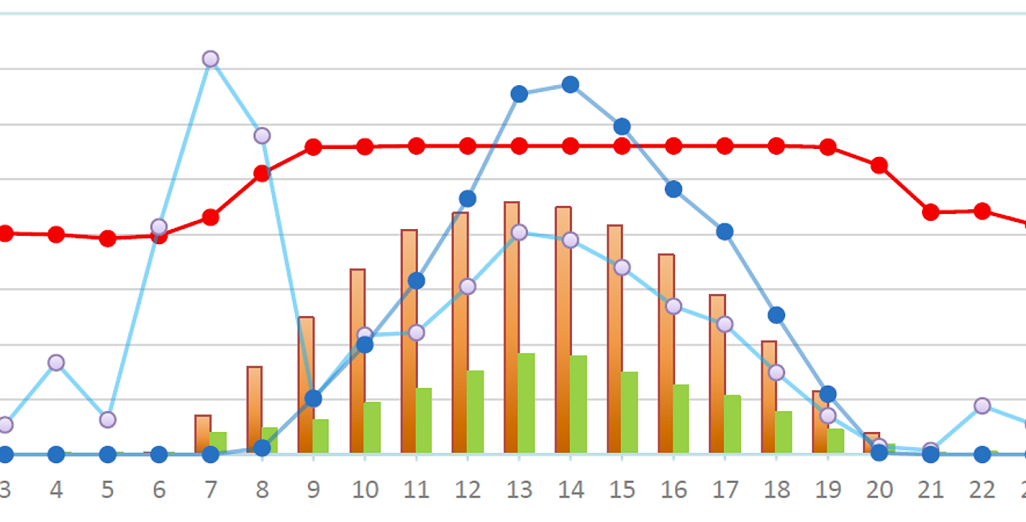
Inner climate in a semi-closed greenhouse
The results are: temperature, relative humidity, hydric deficit and solar radiation on an hourly basis in the semi-closed greenhouse. The results show that the inner temperature is never higher than 26°C and that the hydric deficit is between 2 and 4.5 g/ kg da.

The results also provide the external airflow, water flow and evapotranspiration.

During night time and in the morning, the external air is blown into the semi-closed greenhouse to dehumidify. During day time, pad is activated for cooling.
Hortinergy is also providing a yearly overview, a monthly synthesis and hourly data of heating, electricity and water consumption.
Annual overview of the energy consumption in the semi-closed greenhouse

Monthly synthesis of the energy consumption in the semi-closed greenhouse

Hourly data of the energy consumption in the semi-closed greenhouse

With Hortinergy, you can simulate screen, closed greenhouse, energy consumption, sustainablity, cannabis greenhouse, supplemental lighting, and calculate carbon taxe rebate. We provide also training on energy consumption to be a greenhouse designer.
| Visit Hortinergy’s website |

CLASSIFIED














Photo
Gallery






Subscribe to our E-Zine
More
From This Category

April 20, 2026
The Environmental Protection Authority (EPA) has approved a new fungicide seed treatment to control disease on potatoes.
The New Zealand potato industry is valued at approximately $1 billion annually, according to Potatoes New Zealand.
April 20, 2026
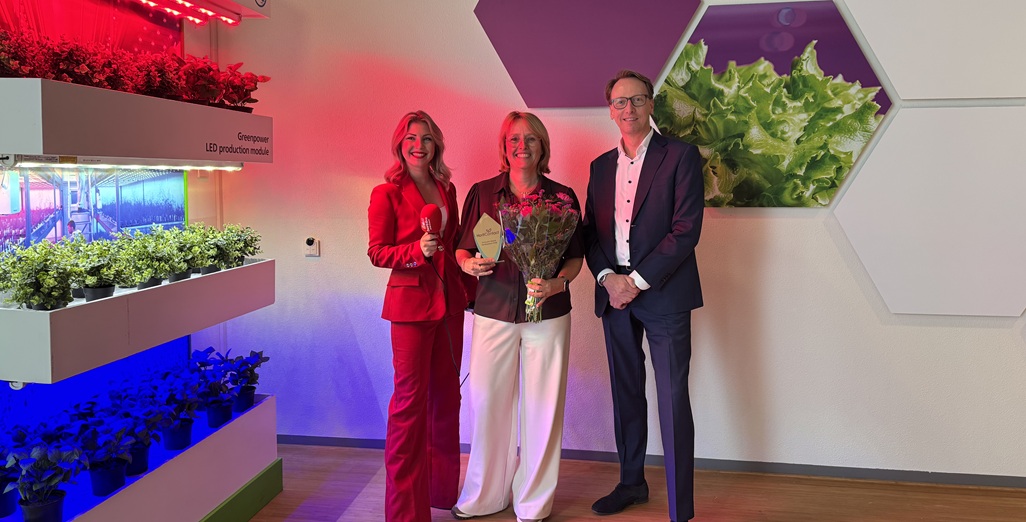
Signify wins HortiContact Innovation Award for Philips intelligent horticulture lighting solutions
“We are incredibly proud of this recognition”
April 7, 2026
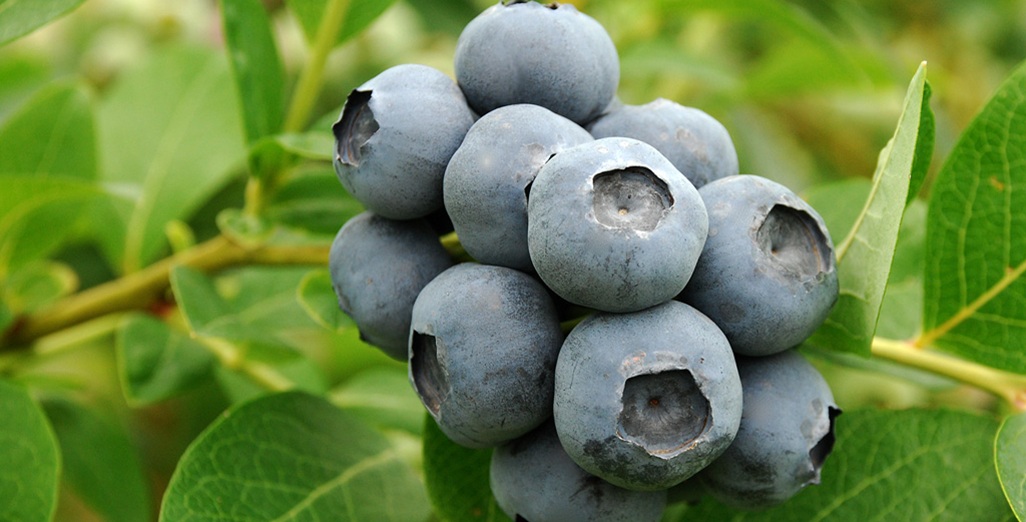
Proposed import requirements for fresh blueberries (Vaccinium spp.) for human consumption
Make your submission
March 23, 2026
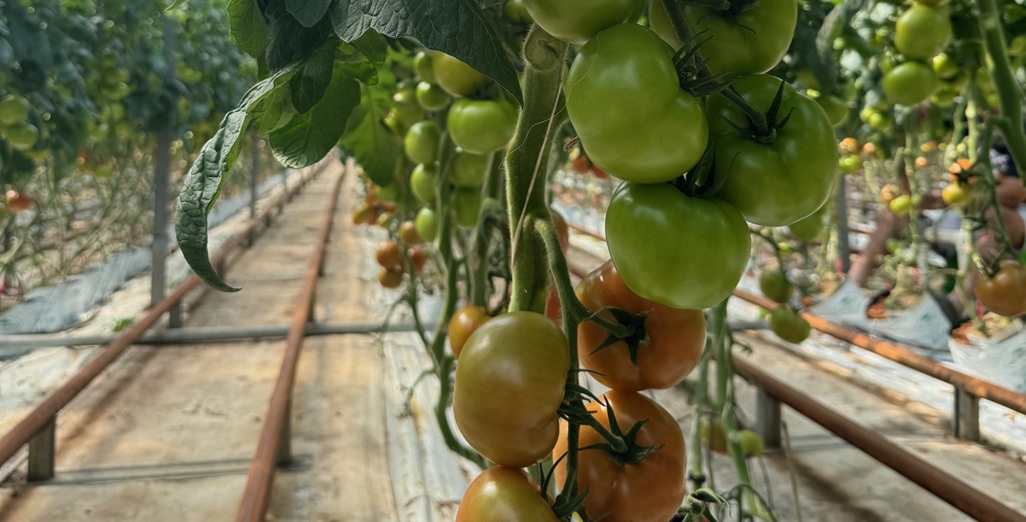
The Environmental Protection Authority (EPA) maintained the upward trend for hazardous substances decisions in the second quarter of the 2025-26 year.
Dr Lauren Fleury, Manager Hazardous Substances Applications, says the EPA continues to use rapid assessment pathways where possible. Of the 16 approved applications in the second quarter, 13 were decided by rapid assessment.
March 23, 2026
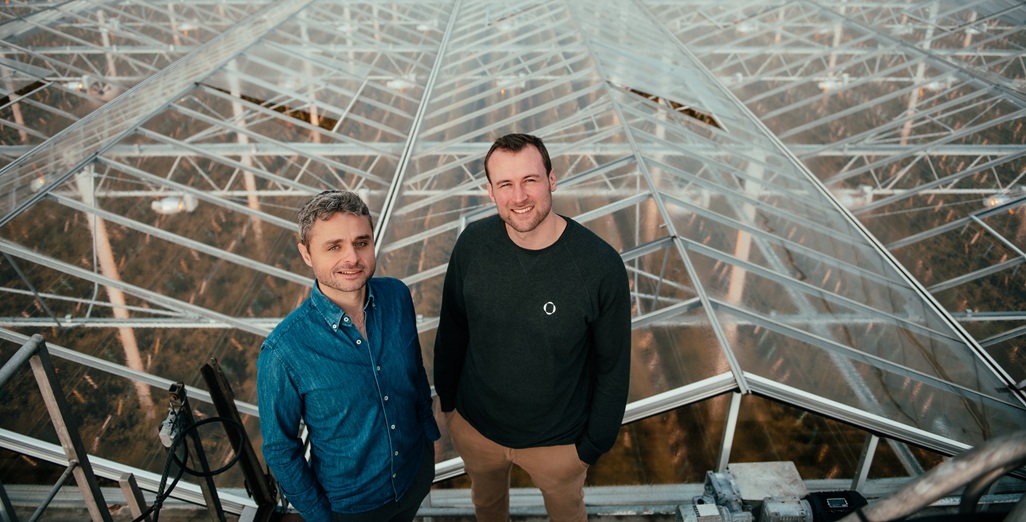
Source Advances Harvest Forecasting for Tomatoes with Next Generation AI Model
Fundamental changes to how the model learns and handles grower input mean significantly less manual work and meaningfully better accuracy.
March 10, 2026
Australia’s horticulture sector has delivered a year of record‑breaking performance
Highest production value to date of $18.4 billion, up 6% on the previous year.
CLASSIFIED