

Sign up here to subscribe to the Grower2grower Ezine. Every two weeks you will receive new articles, specific to the protected cropping industry, informing you of industry news and events straight to your inbox.
20
May 2025
May 2025
Climate crisis threatens the banana, the world’s most popular fruit, research shows

Banana Self-Sufficiency: A Growing Opportunity for New Zealand
The article below is a timely reminder of the growing importance—and opportunity—of developing large-scale commercial banana production in New Zealand. While a niche market for New Zealand–grown bananas already exists, it is not nearly enough to meet national demand. If we are serious about future food security and reducing reliance on imports, scaling up domestic banana production should be a long-term strategic goal.
Climate forecasts suggest significant global weather pattern changes in the coming decades, and this only reinforces the need to future-proof our agricultural systems. One clear takeaway is the importance of investing in wind-protected structures, such as greenhouses or sheltered plantations, to ensure consistent and resilient crop yields.
So, the real question is: Should New Zealand begin serious investment in research and development of commercial-scale banana farms now—or wait until 2080 when the need becomes urgent and the opportunity potentially lost?
The time to act is now.
— Stefan Vogrincic, Grower2Grower
Climate crisis threatens the banana, the world’s most popular fruit, research shows
Fourth most important food crop in peril as Latin America and Caribbean suffer from slow-onset climate disaster
The climate crisis is threatening the future of the world’s most popular fruit, as almost two-thirds of banana-growing areas in Latin America and the Caribbean may no longer be suitable for growing the fruit by 2080, new research has found.
Rising temperatures, extreme weather and climate-related pests are pummeling banana-growing countries such as Guatemala, Costa Rica and Colombia, reducing yields and devastating rural communities across the region, according to Christian Aid’s new report, Going Bananas: How Climate Change Threatens the World’s Favourite Fruit.
Bananas are the world’s most consumed fruit – and the fourth most important food crop globally, after wheat, rice and maize. About 80% of bananas grown globally are for local consumption, and more than 400 million people rely on the fruit for 15% to 27% of their daily calories.
An estimated 80% of banana exports which supply supermarkets around the world come from Latin America and the Caribbean – one of the most vulnerable regions to extreme weather and slow-onset climate disasters.
And yet the crop is under threat from the human-made climate crisis, and threatens a vital food source and the livelihoods of communities that have contributed virtually nothing to the greenhouse gases driving global heating.
Continue reading more at The Guardian
CLASSIFIED


















Photo
Gallery







Subscribe to our E-Zine
More
From This Category
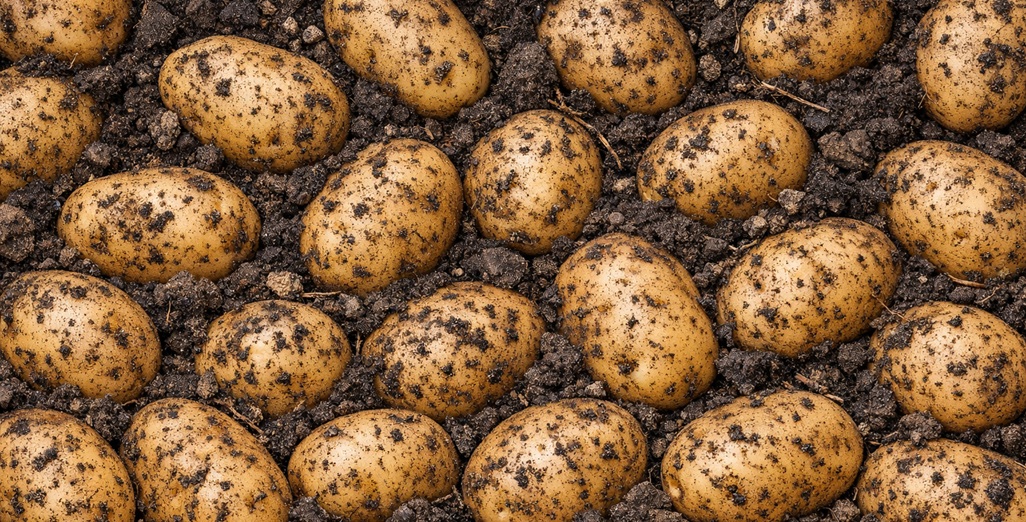
April 20, 2026
The Environmental Protection Authority (EPA) has approved a new fungicide seed treatment to control disease on potatoes.
The New Zealand potato industry is valued at approximately $1 billion annually, according to Potatoes New Zealand.
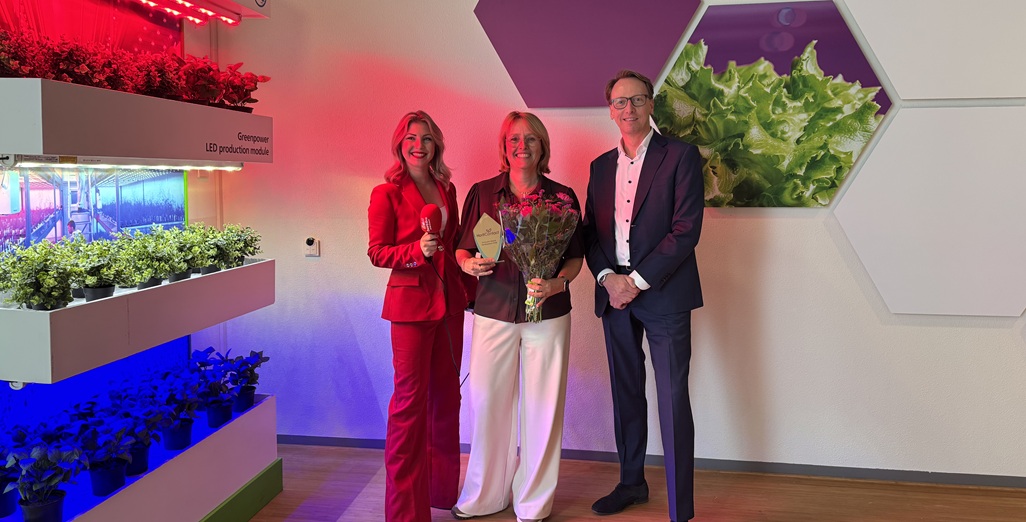
April 20, 2026
Signify wins HortiContact Innovation Award for Philips intelligent horticulture lighting solutions
“We are incredibly proud of this recognition”
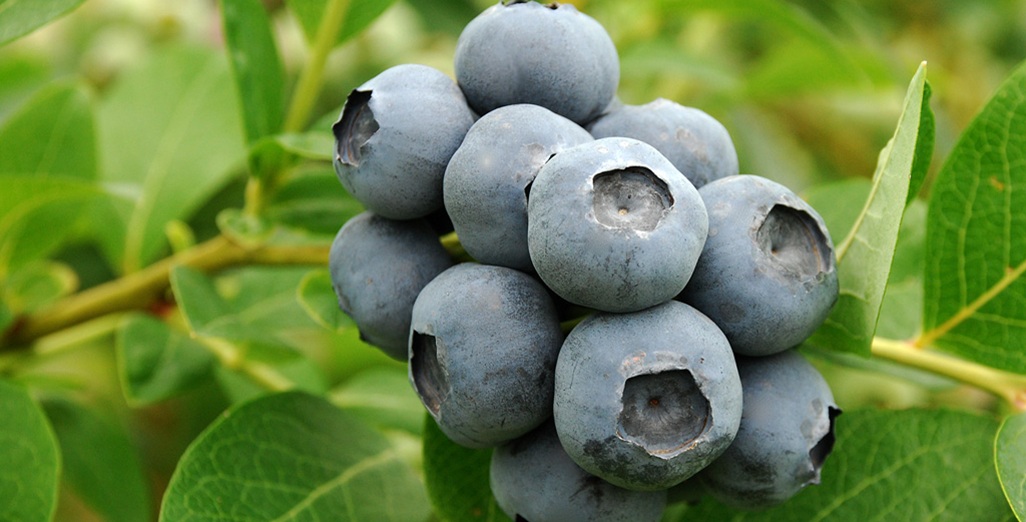
April 7, 2026
Proposed import requirements for fresh blueberries (Vaccinium spp.) for human consumption
Make your submission
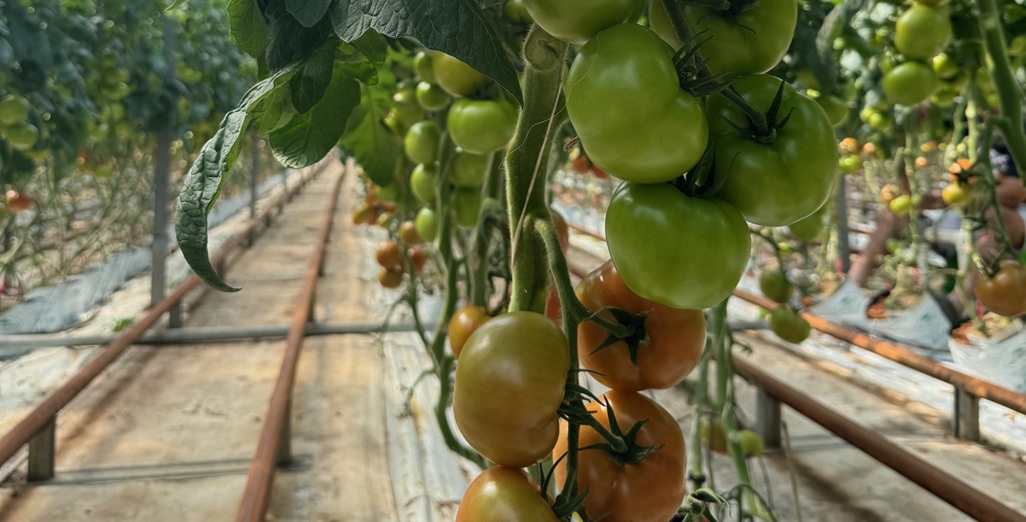
March 23, 2026
The Environmental Protection Authority (EPA) maintained the upward trend for hazardous substances decisions in the second quarter of the 2025-26 year.
Dr Lauren Fleury, Manager Hazardous Substances Applications, says the EPA continues to use rapid assessment pathways where possible. Of the 16 approved applications in the second quarter, 13 were decided by rapid assessment.
March 23, 2026
Source Advances Harvest Forecasting for Tomatoes with Next Generation AI Model
Fundamental changes to how the model learns and handles grower input mean significantly less manual work and meaningfully better accuracy.
March 10, 2026
Australia’s horticulture sector has delivered a year of record‑breaking performance
Highest production value to date of $18.4 billion, up 6% on the previous year.
CLASSIFIED