

Sign up here to subscribe to the Grower2grower Ezine. Every two weeks you will receive new articles, specific to the protected cropping industry, informing you of industry news and events straight to your inbox.
29
Jul 2025
Jul 2025
Powdery Mildew: EPA approves Rhapsody, a fungicide containing 218 g/L ipflufenoquin, a chemical new to New Zealand
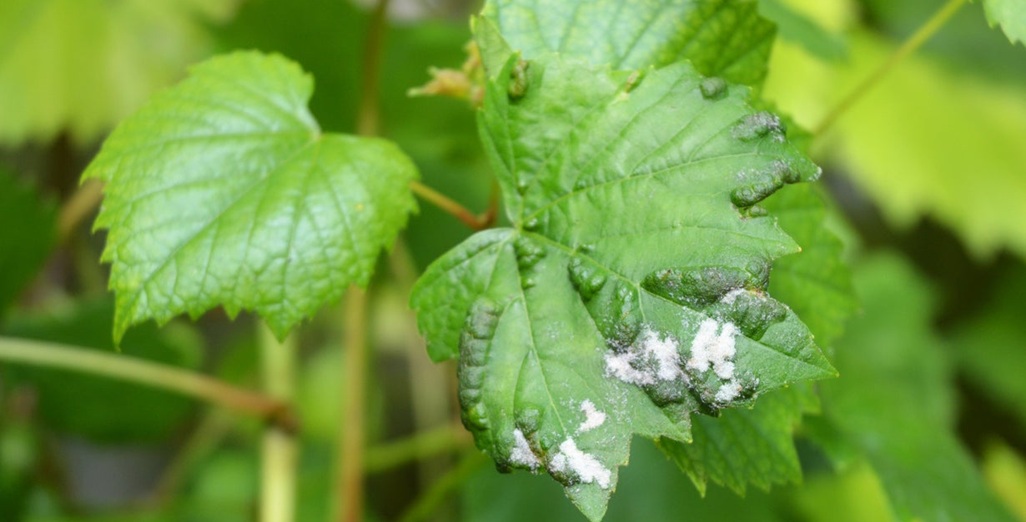
The Environmental Protection Authority (EPA) has approved a fungicide with a new active ingredient that controls blackspot and powdery mildew on apples and pears, and Botrytis on grapes.
UPL New Zealand Limited applied to import or manufacture Rhapsody, a fungicide containing 218 g/L ipflufenoquin, a chemical new to New Zealand.
UPL says Rhapsody gives growers an alternative to other products that may be becoming less effective due to increasing resistance, gives another option for late season use, and is lower risk to human health.
“This approval means growers will have access to an innovative tool with a new mode of action, helping protect crops vital to New Zealand’s primary sector,” says Dr Lauren Fleury, EPA Hazardous Substances Applications Manager.
The apple industry contributed almost $2 billion to the New Zealand economy last year, and the wine export value reached approximately $2.4 billion.
The decision to approve Rhapsody was made following a rigorous assessment and consultation process, says Dr Fleury.
“As this product contains an active ingredient that is new to New Zealand, we assessed the scientific data and evidence, as well as economic and local information, to enable access to new chemistry while continuing to protect people’s health and our unique environment.”
Ipflufenoquin has been approved in other countries, including Australia, Canada, Japan and the USA.
This decision is the latest for the EPA, which has reduced the queue of hazardous substance release applications by almost 21 percent since 1 July 2024. The EPA has set ambitious assessment targets for the coming year, including increasing the number of assessments for substances containing new active ingredients.
“We understand the importance of timely access to new products. Continuing to reduce the queue and assess new active ingredients is a top priority for us.”
The substance can only be used by professionals in commercial settings, and users must comply with specific controls.
As an agricultural compound, Rhapsody must also receive approval from the Ministry for Primary Industries (MPI) before it can be used in New Zealand.
For more information contact:
Email: media@epa.govt.nz

CLASSIFIED


















Photo
Gallery











Subscribe to our E-Zine
More
From This Category

April 20, 2026
The Environmental Protection Authority (EPA) has approved a new fungicide seed treatment to control disease on potatoes.
The New Zealand potato industry is valued at approximately $1 billion annually, according to Potatoes New Zealand.
April 20, 2026
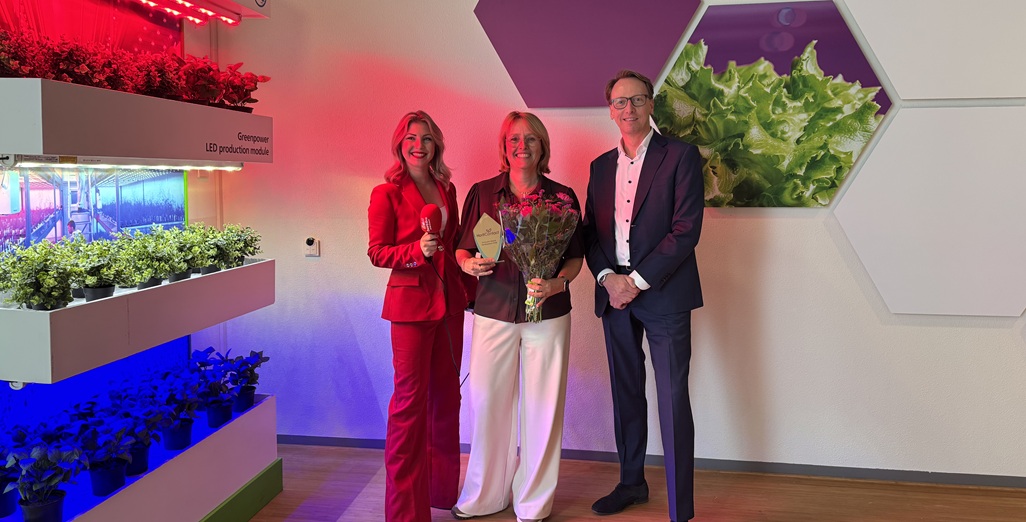
Signify wins HortiContact Innovation Award for Philips intelligent horticulture lighting solutions
“We are incredibly proud of this recognition”

April 7, 2026
Proposed import requirements for fresh blueberries (Vaccinium spp.) for human consumption
Make your submission
March 23, 2026
The Environmental Protection Authority (EPA) maintained the upward trend for hazardous substances decisions in the second quarter of the 2025-26 year.
Dr Lauren Fleury, Manager Hazardous Substances Applications, says the EPA continues to use rapid assessment pathways where possible. Of the 16 approved applications in the second quarter, 13 were decided by rapid assessment.

March 23, 2026
Source Advances Harvest Forecasting for Tomatoes with Next Generation AI Model
Fundamental changes to how the model learns and handles grower input mean significantly less manual work and meaningfully better accuracy.

March 10, 2026
Australia’s horticulture sector has delivered a year of record‑breaking performance
Highest production value to date of $18.4 billion, up 6% on the previous year.
CLASSIFIED