

Sign up here to subscribe to the Grower2grower Ezine. Every two weeks you will receive new articles, specific to the protected cropping industry, informing you of industry news and events straight to your inbox.
12
Jan 2026
Jan 2026
Strong Winds on 30th December 2025
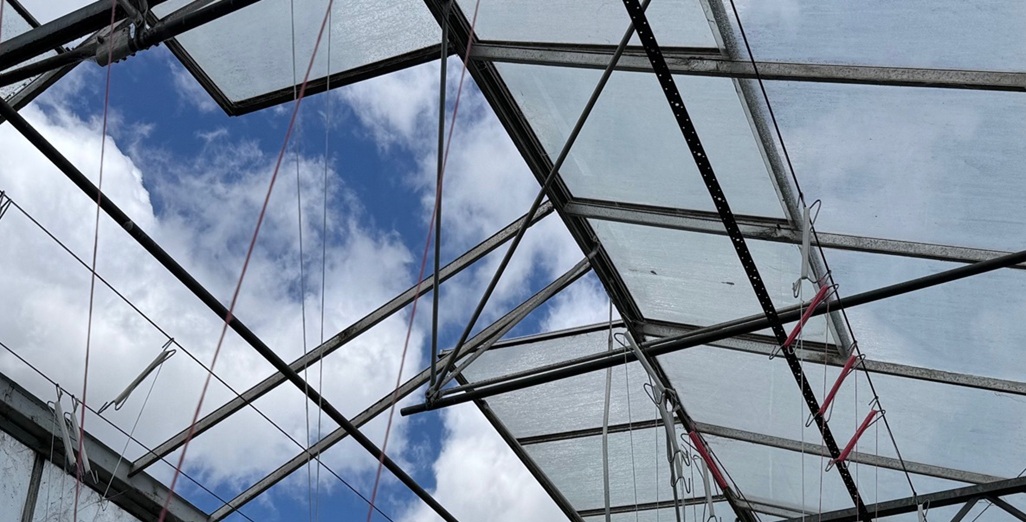
Damage to greenhouse reported
By Stefan Vogrincic
In late December 2025, a significant weather system brought heavy rain and strong winds across large parts of New Zealand, prompting multiple wind warnings and causing widespread disruption to services and infrastructure. At least one commercial greenhouse sustained damage, with multiple panes of glass blown out during the storm. As a result, all fruit from the affected area — and from surrounding zones within a defined distance of the broken glass — had to be picked and destroyed. It is critical that any fruit potentially exposed to glass contamination is never sent to market, regardless of appearance.
Fortunately, in this case the damage occurred overnight when the storm was at its peak and no staff were present on site. This highlights the importance of timing and risk management during extreme weather events. Where staff are working during unsettled conditions, growers should ensure wind-speed alerts and clear trigger points are in place to determine when it is no longer safe for people to remain inside a greenhouse. Many years ago, I was inside a greenhouse when a sudden mini-tornado struck without warning, ripping glass from the roof and lifting an internal door off its hinges. There was nowhere to run and everyone inside was left in an extremely vulnerable position. While modern greenhouses are typically fitted with safety glass, this is not always the case in older structures, where the risks are significantly higher and extra caution is required.
This event serves as a timely reminder for all growers to review their health and safety procedures, including storm response SOPs, staff evacuation protocols, and communication systems. Loose materials should be secured, glazing and structures regularly inspected, and backup power systems maintained to ensure climate control and safety systems remain operational during outages. With strong wind events becoming more frequent and weather patterns increasingly variable, resilience planning is no longer optional. It remains a key focus for New Zealand’s commercial greenhouse vegetable and flower industries as they work to protect staff safety, crop integrity, and long-term business viability.
CLASSIFIED
















Photo
Gallery




Subscribe to our E-Zine
More
From This Category
August 25, 2026
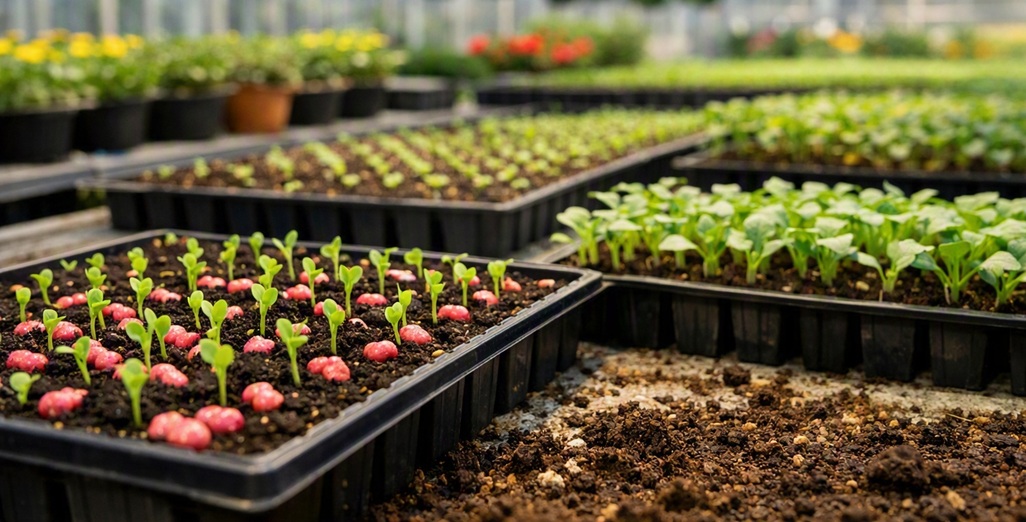
EPA seeks feedback about treated seed
The Environmental Protection Authority (EPA) is asking for feedback on a proposed group standard for treated seed.

August 25, 2026
A Well-Deserved Thank You to Barry O’Neil
Eight years at the helm of TomatoesNZ recognised with Lifetime Achievement Award. At the recent Covered Cropping NZ Conference and TomatoesNZ AGM, Barry O’Neil was presented with a Lifetime Achievement Award in recognition of his outstanding contribution to TomatoesNZ and the wider covered cropping industry. The award also marked the end of an eight-year chapter, with Barry stepping down after eight years as Chair of the TomatoesNZ Board.
August 11, 2026
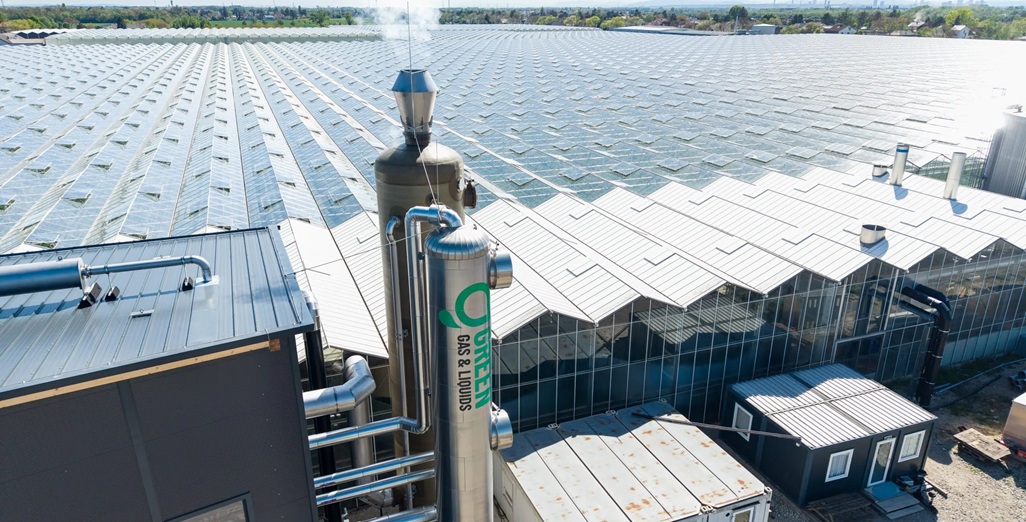
CO₂ Capture for Greenhouses Without Liquefaction —
How Galloxol® Changes the Economics
July 14, 2026
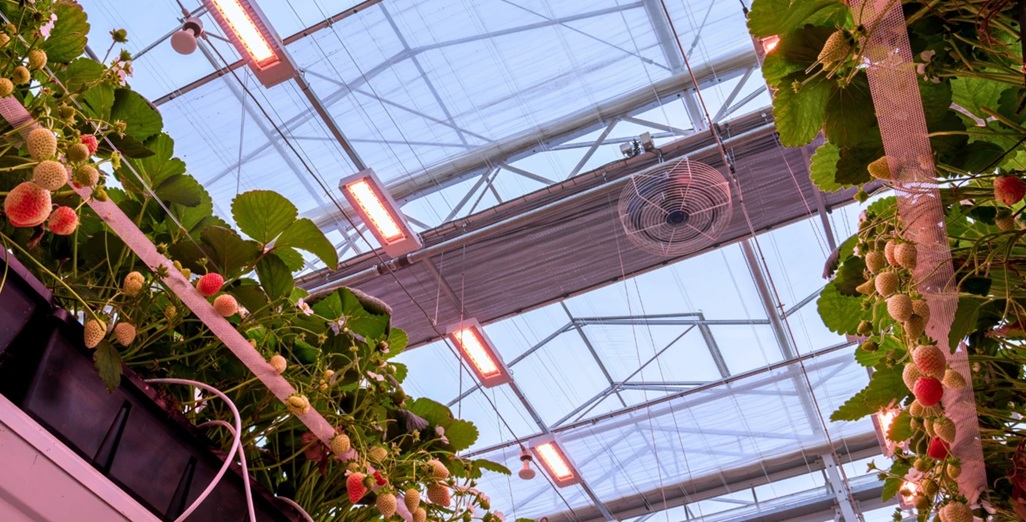
More air movement, fewer gaps, more energy savings
"The major challenge in the energy transition is to continue growing healthy and vital crops with less energy"
July 13, 2026
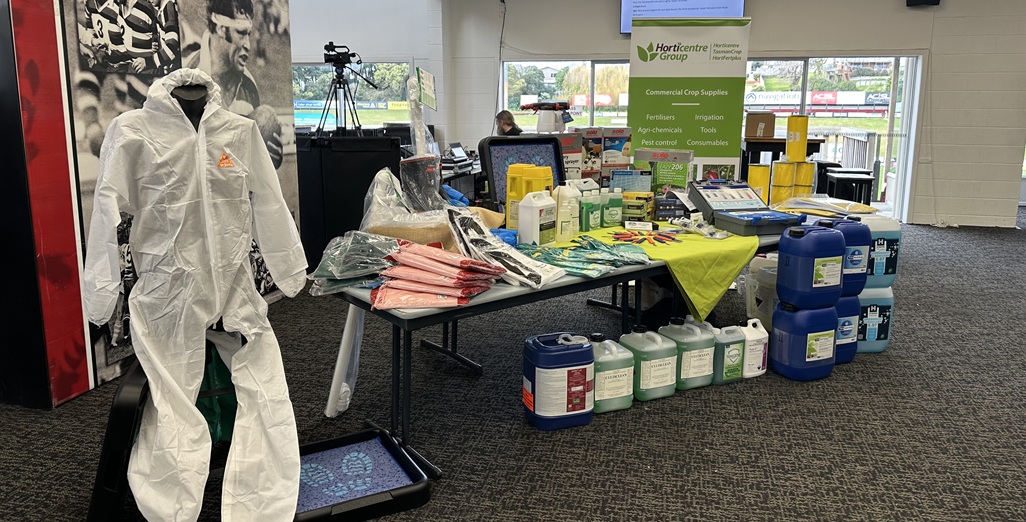
Covered Cropping NZ Conference: A Day of Practical Learning and Industry Connection
Wednesday, 12 August, at LaValla, Tuakau, South Auckland
June 15, 2026
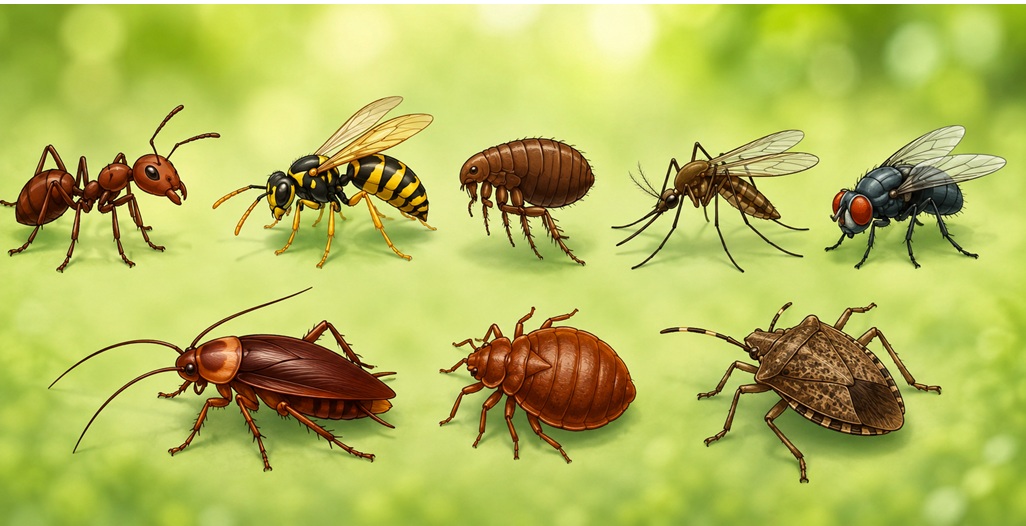
New spray approved for professional control of insect pests (Buildings only)
The Environmental Protection Authority (EPA) has approved Seclira WSG, a spot-treatment surface spray for the control of insect pests in and around buildings.
CLASSIFIED