

Sign up here to subscribe to the Grower2grower Ezine. Every two weeks you will receive new articles, specific to the protected cropping industry, informing you of industry news and events straight to your inbox.
29
Jul 2025
Jul 2025
Australian horticulture’s $1 billion annual productivity opportunity
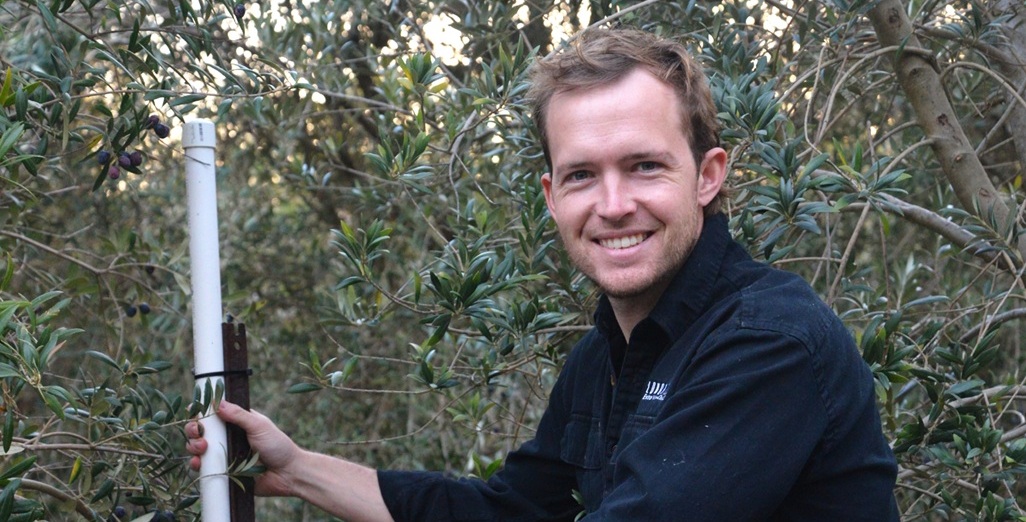
Over the past 30 years, the annual productivity growth of the horticulture industry has been 0.5% to 1.5%
Sydney, Australia, 24 July 2025: A new report from Hort Innovation and the Centre for International Economics has today revealed that high adoption of productivity enhancing innovation would benefit the Australian industry by about $1 billion annually in additional value added, reaching $22 billion in 2040.
The Australian horticulture sector, currently at $8 billion value added, is at a critical juncture and productivity increases will be the key to ongoing profitability for more than 12,000 businesses that make up the industry.
The Factors Driving Productivity Report has revealed that targeted action across four key areas will accelerate productivity growth:
- Building capability in production cost analysis;
- Automating data collection;
- Harnessing AI-insights; and
- Embracing mechanisation and automation at scale.
Over the past 30 years, the annual productivity growth of the horticulture industry has been 0.5% to 1.5%, while the broader agricultural sector’s growth has been 0.88%.
“This report spells out the opportunities for growers and Hort Innovation to focus on and also presents case studies on growers who are already pioneering technology solutions,” Hort Innovation CEO Brett Fifield said.
“The focus on doing more for less is not just an issue being faced by Australian growers. It is something that all businesses are seeking to prioritise. We have modelled future productivity and enhancements to modern farming systems.”
“From improved data collection, to bringing more automation on farms, there is opportunity for every grower, no matter the size of their business.”

“Many of our R&D projects already in the field have started exploring these themes. But we know there is more work to do. We intend on making more future shaping investments based on grower needs.”
Harrison Rowntree from Longridge Olives has been prioritising productivity on his family farm. He shared his experience: “We have always strived to be as efficient as possible to save on labour, time, and money, which means coming up with out of the box solutions that suit us and our business.”
“It’s easy to make money while the oil price is high. The test is being able to do it when the prices are low. Mum and dad endured the lowest prices for EVOO in the mid 2000s which pushed them into making the most efficient farm possible.”
“I’m looking for even more efficiency and optimisation, preparing ourselves for whatever the future market brings.”
“The only way to do more without hiring more people is to look for ways to automate what you have or find ways of doing it faster,” said Rowntree.
The report is accompanied by an excel spreadsheet tool that growers and stakeholders across the industry can use to help model their own scenarios and adoption rates.
To read the report The Factors Driving Horticulture Productivity Report head to: www.horticulture.com.au/ha24004/
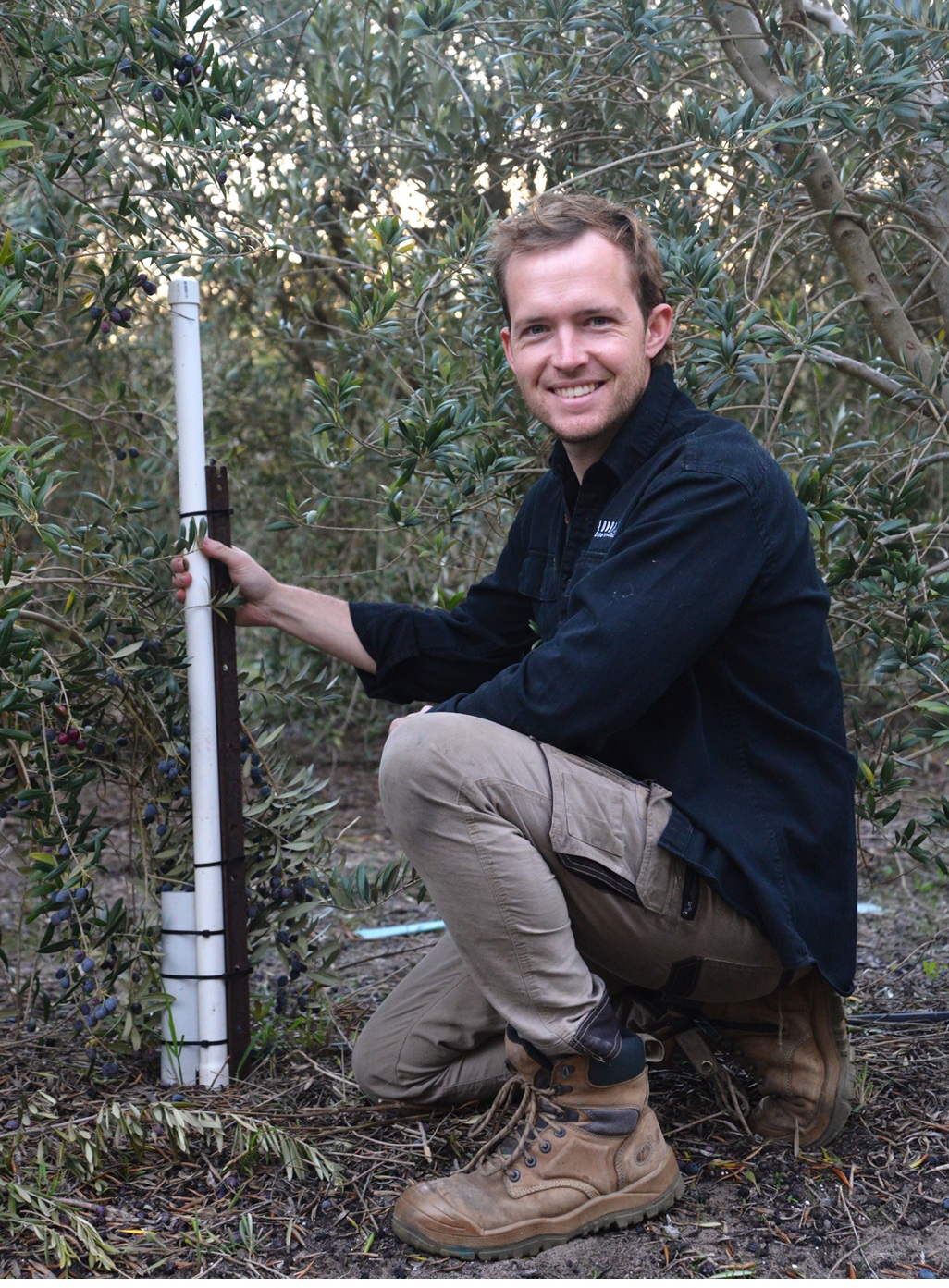
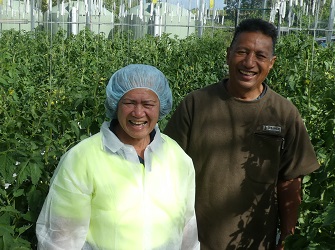
Image above- Harrison Rowntree
Media contact:
Shannon O’Mara
Communications Manager
shannon.omara@horticulture.com.au
About Hort Innovation:
Horticulture Innovation Australia (Hort Innovation) is a not-for-profit, grower-owned research and development corporation (RDC) for Australia’s $17 billion horticulture industry. It invests around $154 million in research and development and marketing programs annually to provide benefit to the 37 industry levies it support and the wider community.
CLASSIFIED

















Photo
Gallery








Subscribe to our E-Zine
More
From This Category
April 20, 2026
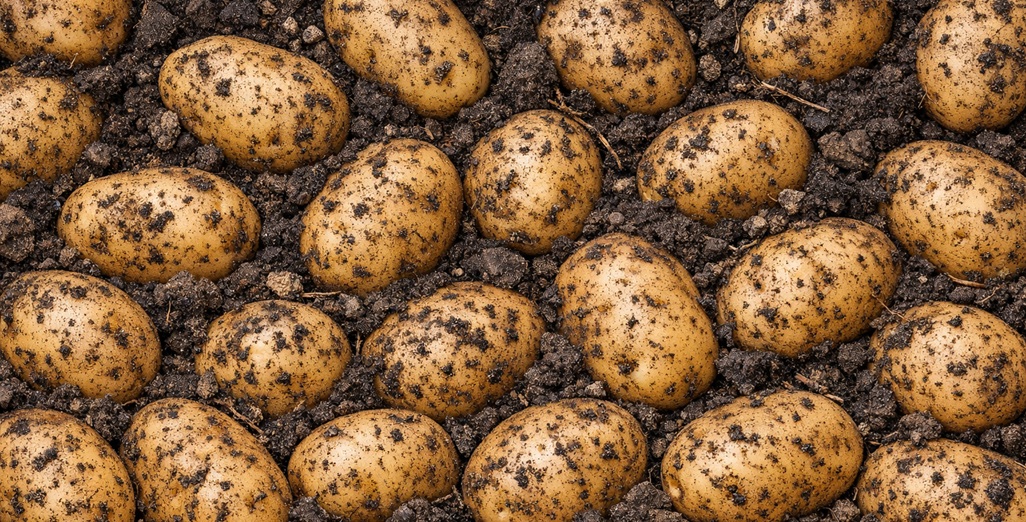
The Environmental Protection Authority (EPA) has approved a new fungicide seed treatment to control disease on potatoes.
The New Zealand potato industry is valued at approximately $1 billion annually, according to Potatoes New Zealand.
April 20, 2026
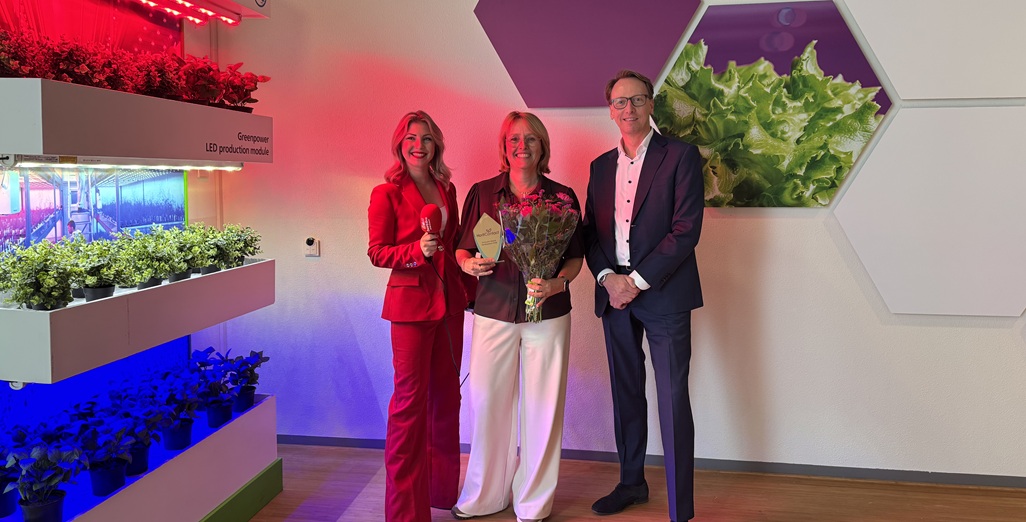
Signify wins HortiContact Innovation Award for Philips intelligent horticulture lighting solutions
“We are incredibly proud of this recognition”

April 7, 2026
Proposed import requirements for fresh blueberries (Vaccinium spp.) for human consumption
Make your submission
March 23, 2026
The Environmental Protection Authority (EPA) maintained the upward trend for hazardous substances decisions in the second quarter of the 2025-26 year.
Dr Lauren Fleury, Manager Hazardous Substances Applications, says the EPA continues to use rapid assessment pathways where possible. Of the 16 approved applications in the second quarter, 13 were decided by rapid assessment.

March 23, 2026
Source Advances Harvest Forecasting for Tomatoes with Next Generation AI Model
Fundamental changes to how the model learns and handles grower input mean significantly less manual work and meaningfully better accuracy.

March 10, 2026
Australia’s horticulture sector has delivered a year of record‑breaking performance
Highest production value to date of $18.4 billion, up 6% on the previous year.
CLASSIFIED