
24
Aug 2025

Visit to Ecomix Headquarters in Melbourne
Visit to Ecomix Headquarters in Melbourne
Australian tomato growers buoyed by a year of good returns

Last week I spent the day with Martin Vadakekuttu, Managing Director of Prodoz International, in the Melbourne area. I was able to tour their new warehouse and visit four of their customers in the afternoon.

Beyond simply supplying coir mixes, Martin has focused on supporting his substrates with biological products, such as the Seawin Biotech range. For example, Synergy (Bacillus subtilis) contains a high concentration of beneficial bacteria that colonise the root zone, helping to maintain root health. This is particularly valuable in Australia, where irrigation water supply and treatment are not always ideal. Even with effective sanitation, some pathogens can still get through. Adding biologicals has therefore been an important way to increase the value of Ecomix coir products.

Other standout products included Plant Nurse and Root Flush. Root Flush is a suitable block co-polymer compatible with hydroponic systems, designed to improve water distribution, re-wetting, flushing, and faster expansion of coco peat. Growers should strongly consider using it when first wetting up new slabs, and especially when reusing bags for a second crop cycle.

Tailored solutions are another strength of Ecomix. While standard mixes exist, growers always look for adjustments to improve outcomes. For example, one grower was stacking new bags on top of old ones in an attempt to:

  • Raise the crop height, making work easier for staff.
  • Increase the available root zone.

Although I remain unconvinced by this approach, it reflects growers’ willingness to experiment. Time will tell whether it pays off.

Hygiene

On-farm hygiene at the four properties I visited was non-existent. In fact, I was laughed at for wearing my biohazard gear. Even with confirmed cases of ToBRFV in Australia, practices remain similar to those in New Zealand—where hygiene protocols are often lacking. To be fair, one high-tech 3-hectare greenhouse did at least have footbaths and warning signage at the entrance. However, these measures would still fall far short of what I would expect on my own property.

Returns

The growers we visited were very pleased with the past year’s returns on tomatoes and cucumbers supplied to the Victorian markets. After several tough years, 2024-25 brought much stronger pricing. Their challenges remain like those faced by NZ growers, with energy costs a major factor. Two properties had shifted back to August/September planting rotations to better manage energy use.

Plants

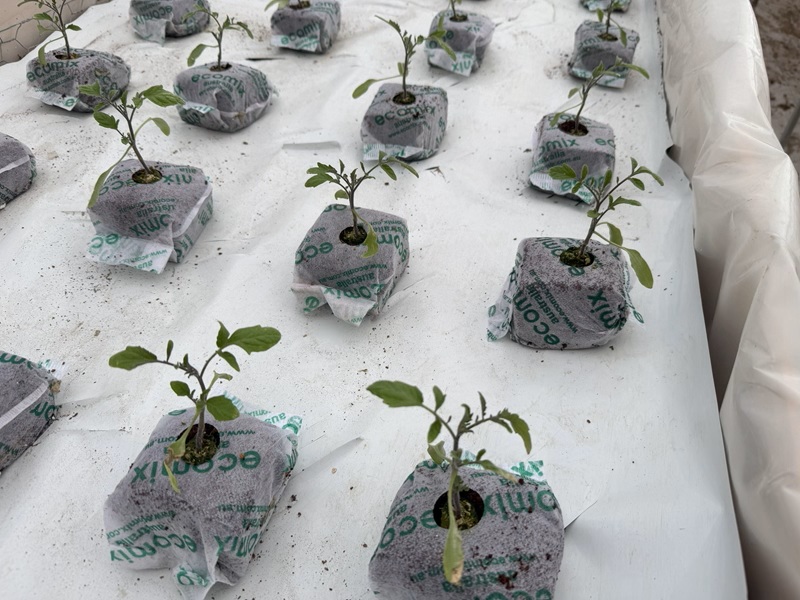
Most nursery plants this season are being supplied from Western Australia, as ToBRFV was detected in a South Australian nursery. The long distance means plants are shipped as very small plug plants, either in coir or stone-wool, and then re-established into larger blocks before transplanting into production houses. Many growers set aside space specifically to carry out this process before moving plants into their main greenhouses.

Thanks again to Martin for generously sharing his time with me and providing valuable insights into both Ecomix and the current state of the Australian greenhouse industry.

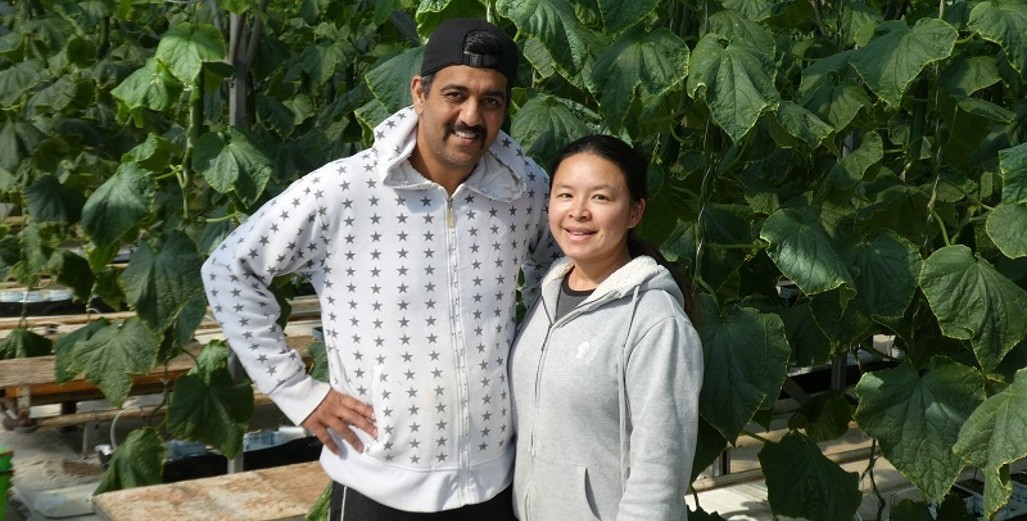
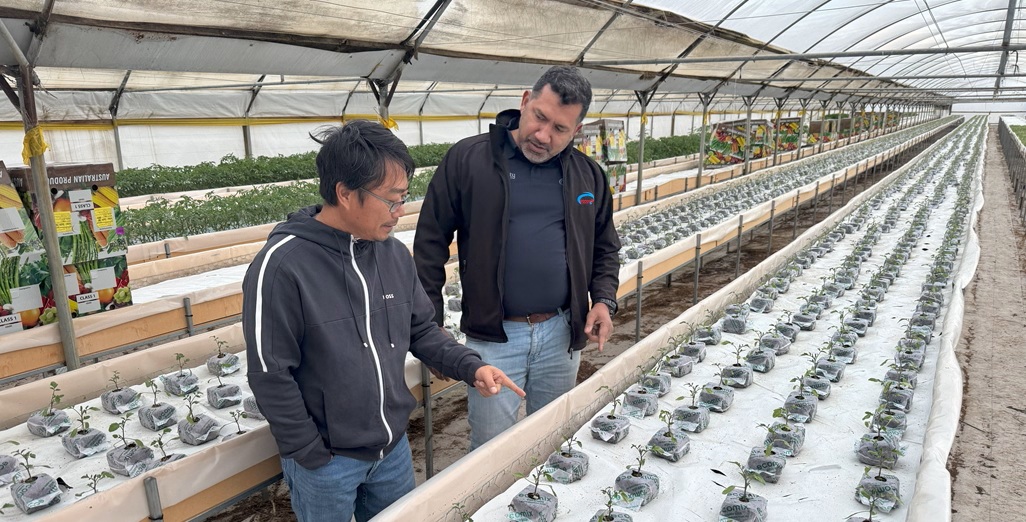
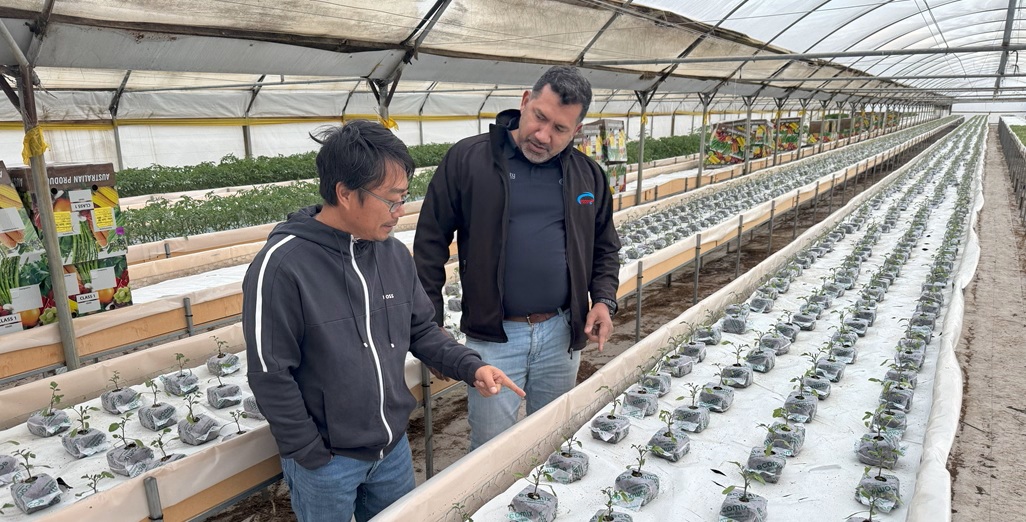
Cover image: Martin discussing recently transplanted grafted tomato plants into the Ecomix propagation block with well known and large Victorian tomato grower Bang Trinh.
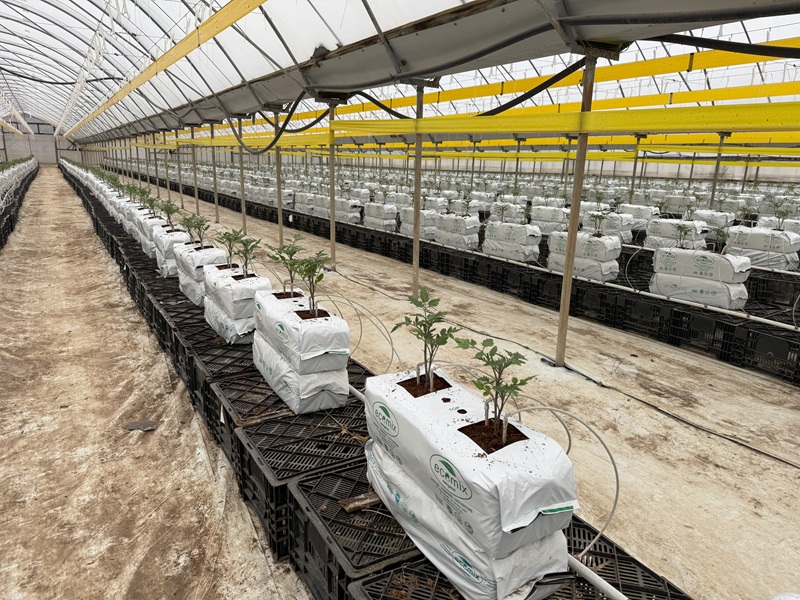
On a different farm, the concept to  lift the bags higher and to help with additional buffer.  Holes were cut directly below the new bag to correspond with the old planting hole.  I would not recommend this for various reasons but it will still be good to see what the outcomes are.
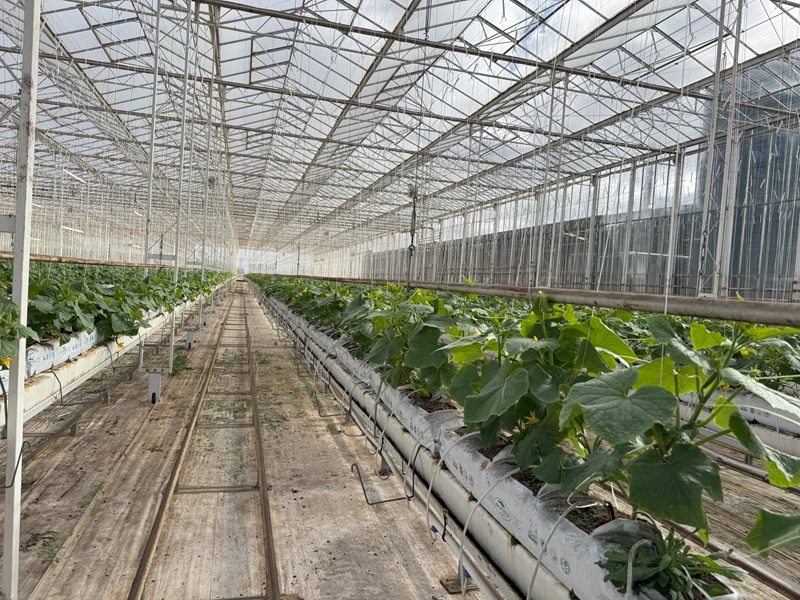
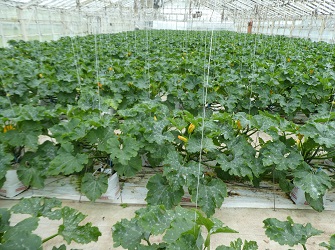
High Tech greenhouse growing Lebanese Cucumbers.
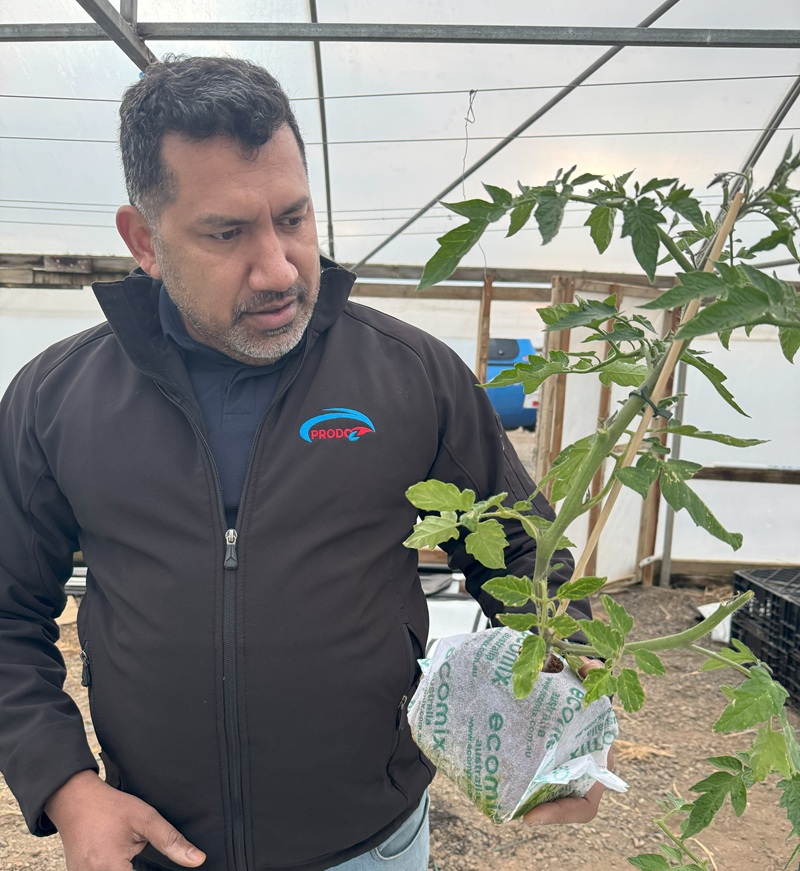
Martin with an advanced plant.  There were some spares left over.  This one had one of the head’s broken but to me it was interesting to see this plants balance.  Slightly to much vigor but the flowering truss close to the top of the stick was impressive considering the growing conditions.  I see potential with this block especially in terms of having the ability to dry out the block faster than other substrates.  For a start you would need less energy!

Subscribe to our E-Zine

Sign up here to subscribe to the Grower2grower Ezine. Every two weeks you will receive new articles, specific to the protected cropping industry, informing you of industry news and events straight to your inbox.

More

From This Category

Legal controls on the movement of fruit and vegetables in Mt Roskill will end on 21 February 2026….
MG Group partners with The Gut Foundation 
February 10, 2026
MG Group partners with The Gut Foundation 
Growing a healthier New Zealand together
Protected Cropping, Weather Extremes And Growth Potential
January 27, 2026
Protected Cropping, Weather Extremes And Growth Potential
Extreme weather again highlights the role of protected cropping. During last week’s deluge across the North Island, significant damage is expected across many outdoor crops. Onions lying on the ground and attempting to dry will be particularly vulnerable, with prolonged saturation likely to result in quality losses and storage issues.
Agrivoltaics in Greenhouses Turning Sunlight into Energy and Crops
January 27, 2026
Agrivoltaics in Greenhouses Turning Sunlight into Energy and Crops
The EU is rapidly increasing its renewable energy targets, with solar power playing a central role in achieving these goals
Strong Winds on 30th December 2025
January 12, 2026
Strong Winds on 30th December 2025
Damage to greenhouse reported
Response to fruit fly find in Mt Roskill continues
January 12, 2026
Response to fruit fly find in Mt Roskill continues
The recent detection of a Queensland fruit fly in Mt Roskill and the resulting biosecurity controls on fresh produce movement highlight the very real risk this pest poses to New Zealand’s horticulture sector.
CLASSIFIED