

Sign up here to subscribe to the Grower2grower Ezine. Every two weeks you will receive new articles, specific to the protected cropping industry, informing you of industry news and events straight to your inbox.
27
Jan 2026
Jan 2026
Agrivoltaics in Greenhouses Turning Sunlight into Energy and Crops
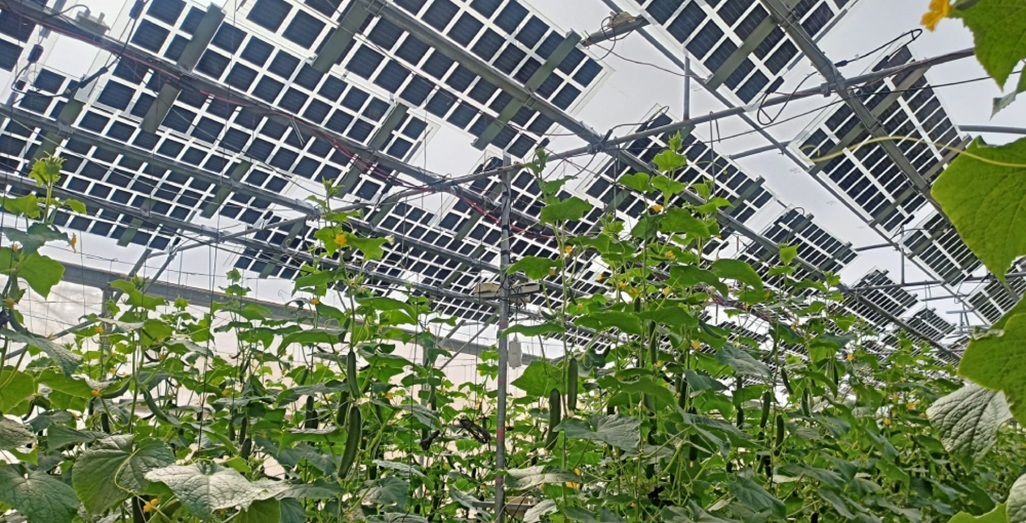
The EU is rapidly increasing its renewable energy targets, with solar power playing a central role in achieving these goals
Brussel, Belgium, January 20, 2026 — The EU is rapidly increasing its renewable energy targets, with solar power playing a central role in achieving these goals. The EU-funded REGACE Project shows that installing photovoltaic panels on existing greenhouse structures could provide around 23 percent of the solar capacity needed across Europe with sufficient investment.
This approach also reduces carbon emissions and decreases upfront investment costs compared with traditional ground-mounted solar systems.
These findings will take center stage during the REGACE final conference, which brings together stakeholders from agriculture, energy, research, and public authorities. A key highlight is the online webinar entitled Agrivoltaics in Greenhouses Turning Sunlight into Energy and Crops, taking place on January 29, 2026, from 10:00 to 13:00 CET.
The webinar is designed to support farmers, policymakers, researchers, and public authorities looking for practical and scalable solutions that align renewable energy deployment with sustainable food production.
Studies show that relying mainly on ground-mounted photovoltaic systems could require one to two percent of farmland in some countries to meet 2030 goals. By installing PV panels on existing greenhouse structures, renewable energy can be generated with almost zero additional land use.
Modelling shows that in countries such as Israel, Romania, and Croatia, greenhouse-based PV could supply more than 40% of the solar capacity required by 2030. Across Europe, the average contribution reaches 23%.
Traditional open field agrivoltaic systems rely on heavy steel structures and concrete foundations, resulting in higher carbon footprints and costs. REGACE greenhouse systems reuse existing frames, reducing iron use from 103 kilograms per kilowatt to 48 kilograms. This lowers the carbon footprint from 196 to 84 kilograms of CO2 per kilowatt and cuts investment costs by around 24%.
“As Europe searches for solutions that support both food security and climate goals, greenhouse agrivoltaics stands out as a practical and scalable option,” said REGACE coordinator Dr. Ibrahim Yehia of the Alzahrawy Society. “REGACE proves that we can turn existing agricultural infrastructure into clean energy assets, while keeping farms productive and resilient.”
To register to the webinar click here.
Article Source: https://regaceproject.com/news-and-events/press-releases/agrivoltaics-in-greenhouses-can-deliver-23-of-europes-renewable-energy-needs/
CLASSIFIED

















Photo
Gallery





Subscribe to our E-Zine
More
From This Category
March 10, 2026
Australia’s horticulture sector has delivered a year of record‑breaking performance
Highest production value to date of $18.4 billion, up 6% on the previous year.
March 10, 2026
Energy saving through screens
A combination of screen use, screen quality, greenhouse climate requirements, and greenhouse equipment.
March 10, 2026
Heating Uncertainty Leaves Greenhouse Growers Searching for Answers
Waste oil supply changes force growers to reconsider long-term heating options ahead of winter. Two weeks ago I was alerted that one of the major recycled waste oil suppliers, based in the Auckland region, will soon stop supplying greenhouse growers. For one of my customers this came as a significant shock, particularly given that notice was given that deliveries will cease in the coming months –

February 10, 2026
MG Group partners with The Gut Foundation
Growing a healthier New Zealand together
January 27, 2026
Protected Cropping, Weather Extremes And Growth Potential
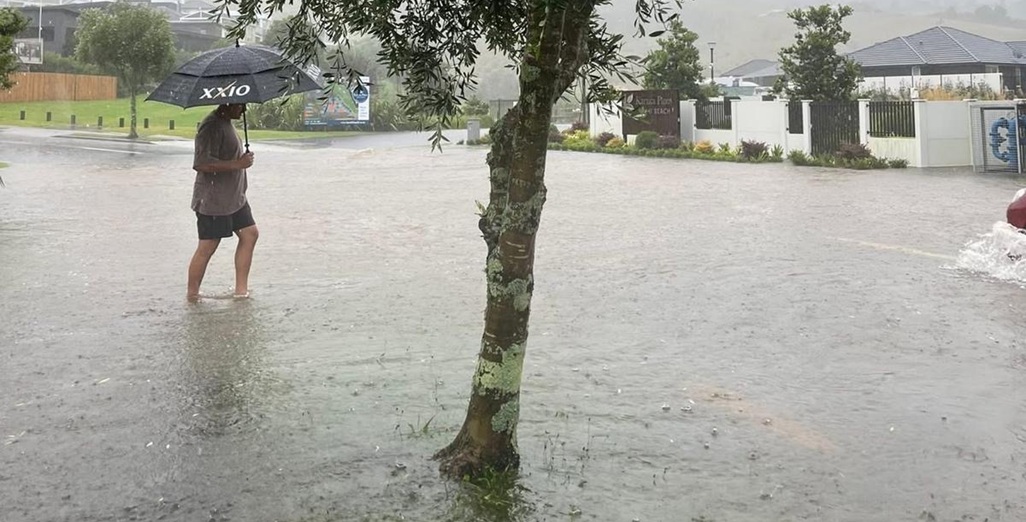
Extreme weather again highlights the role of protected cropping. During last week’s deluge across the North Island, significant damage is expected across many outdoor crops. Onions lying on the ground and attempting to dry will be particularly vulnerable, with prolonged saturation likely to result in quality losses and storage issues.
CLASSIFIED