

Sign up here to subscribe to the Grower2grower Ezine. Every two weeks you will receive new articles, specific to the protected cropping industry, informing you of industry news and events straight to your inbox.
13
May 2019
May 2019
Air Movement and Moisture Distribution
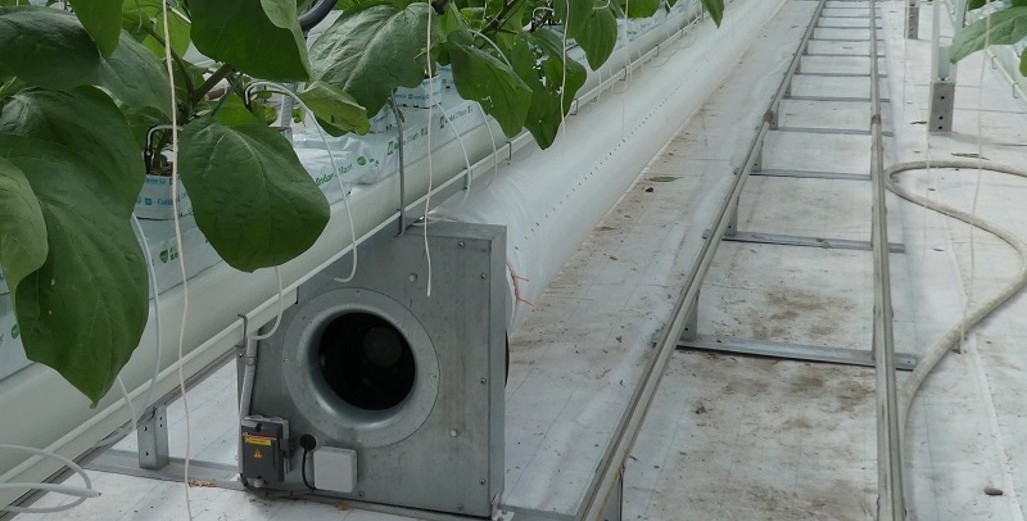
Horizontal or vertical fans and air tubes, what are the experts suggesting
This article continues a theme from two weeks ago looking at the role air movement has in a greenhouse. Below, is a very brief summation I have made in regards to fans and horizontal air tubes, from a book I am currently reading.
One scenario I came across last year was the difference in temperature and condensation from the top of the greenhouse to the floor once the crop was mature. Shading from the plants had created a climate at the lower level that was cold and a fungal breeding ground. I was interested to understand how more air flow at the lower level would be beneficial for a crop’s performance considering the property had heating pipes and a grow pipe. As I understand the introduction of air tube, under the gutter, allowed the warmer air from the top of the greenhouse to be pulled back down and forced into the bottom of the crop. The potential negative impact for high wire crops is the evaporation in the lower leaf area are stimulated so much that the water provided by the roots is consumed by the lower leaves before it reaches the top of the plant. Possibly as a result, under intense radiation during the day, the top of the plant will struggle to transpire sufficiently to keep itself cool. It certainly has merit during the night to keep the lower part of the plant dry but the effect on RH at different levels needs to be a careful consideration if you are thinking of using horizontal air tubes.
Horizontal fans have been used for years to help create air flow in greenhouses. Many growers, due to fear of spreading fungal spores, often don’t use their horizontal fans. Basically, air blown over a long distance could actually absorb moisture on the way. Potential cold pockets may form and this may result in perfect areas for botrytis to establish. So, it is understandable why growers, myself included, are weary of using horizontal fans. However, I think the reason is not because spores are blown around but that we are actually creating, cold, high humidity areas. This makes sense, if only I knew this 20 years ago. Horizontal fans will create air movement but mainly above the crop, so this still doesn’t solve or create an active climate amongst the crop.
When it is explained it makes sense that vertical fans have an advantage over horizontal fans and tubes. The positive features of vertical air movement include:
1, More air movement in between the plants
2, Moisture is moved from the crop to the greenhouse roof via the shortest possible route
3, Fewer cold or hot spots through the greenhouse
4, A better vertical temperature profile
5, Heat from lamps is pushed downwards to the crop, so no or less additional heating capacity is required
6, If the air movement around a flower bud or plant tip Is more that 0.2m/sec, it will reduce the overheating caused by radiation of that plant part
7, The vertical distribution of CO2 can be improved.
If you would like the longer, more detailed version regarding air movement from using fans or horizontal tubes then I highly recommend you should read a book called Plant Empowerment, The Basic Principles.

I appreciate your comments. Please feel free to comment below or on the grower2grower Facebook page:
https://www.facebook.com/StefanGrower2grower/
Article Written by Stefan Vogrincic, Consultant, Grower2Grower
Article Edited by Marie Vogrincic, Editor, Grower2Grower
CLASSIFIED












Subscribe to our E-Zine
More
From This Category
March 10, 2026
Australia’s horticulture sector has delivered a year of record‑breaking performance
Highest production value to date of $18.4 billion, up 6% on the previous year.

March 10, 2026
Energy saving through screens
A combination of screen use, screen quality, greenhouse climate requirements, and greenhouse equipment.
March 10, 2026
Heating Uncertainty Leaves Greenhouse Growers Searching for Answers
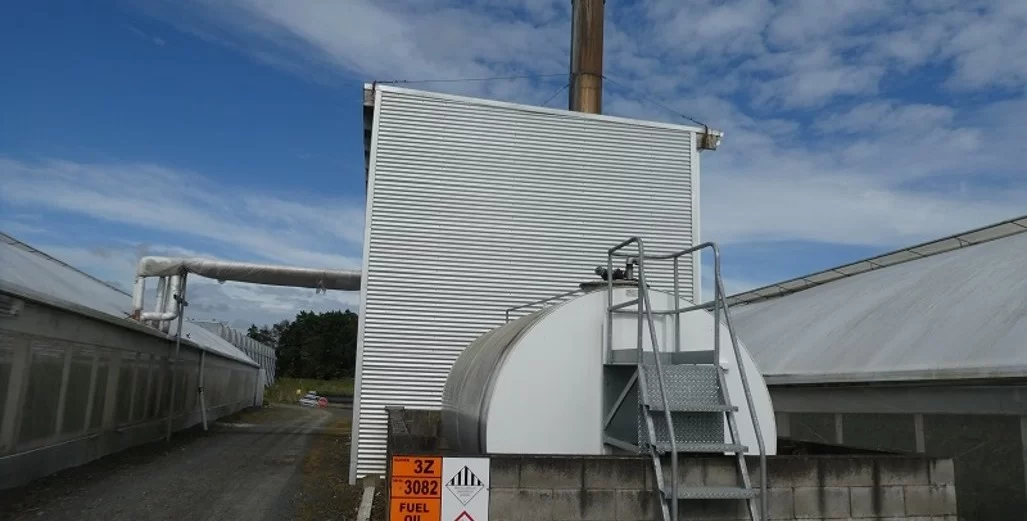
Waste oil supply changes force growers to reconsider long-term heating options ahead of winter. Two weeks ago I was alerted that one of the major recycled waste oil suppliers, based in the Auckland region, will soon stop supplying greenhouse growers. For one of my customers this came as a significant shock, particularly given that notice was given that deliveries will cease in the coming months –

February 10, 2026
MG Group partners with The Gut Foundation
Growing a healthier New Zealand together

January 27, 2026
Protected Cropping, Weather Extremes And Growth Potential
Extreme weather again highlights the role of protected cropping. During last week’s deluge across the North Island, significant damage is expected across many outdoor crops. Onions lying on the ground and attempting to dry will be particularly vulnerable, with prolonged saturation likely to result in quality losses and storage issues.
CLASSIFIED