

Sign up here to subscribe to the Grower2grower Ezine. Every two weeks you will receive new articles, specific to the protected cropping industry, informing you of industry news and events straight to your inbox.
25
Feb 2025
Feb 2025
Australian Horticulture production value skyrockets to $17 billion
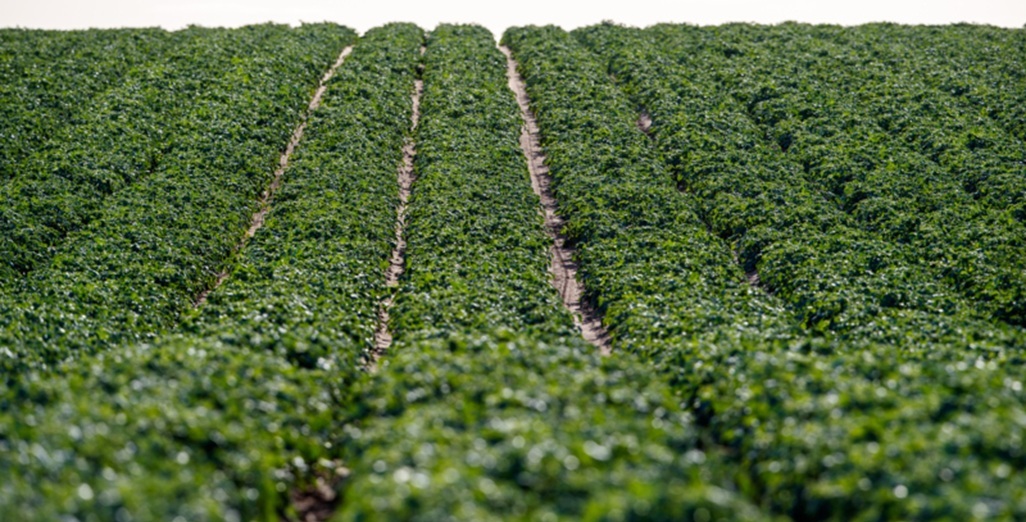
“These figures demonstrate the incredible resilience and capability of Australian growers”
Sydney, Australia, 20 February 2025: Today’s release of The Australian Horticulture Statistics Handbook 2023/24 has revealed a 4.3% growth (YOY) in total production value for Australia’s horticulture sector to $17 billion.
The Handbook, published by Hort Innovation – a not-for-profit research and development corporation supporting Australia’s horticulture industry – details a year of grower resilience, increase in overall production, and export success.
Key findings:
- Production volume and value continue to climb: Australian horticultural production grew by 6.6% to 6.89 million tonnes, with the total production value reaching $17 billion, a 4.3% rise from the previous year.
- Exports reach record highs: Export volumes increased by 8.7%, while export values reached a record high of near $3 billion, led by almonds, citrus, macadamias, avocados, and summerfruit.
- Record year for fruit production value: Fruit saw huge growth with berries, bananas and citrus all climbing substantially in value, citrus in particular breaking a new record and reaching more than $1 billion in value for the first time.
- Domestic supply expands to keep up with demand: Fresh market supply expanded by 4.3%, supported by strong production in watermelons, avocados, strawberries, and potatoes.
- Nuts make a comeback: Almond production value rose by 63.3%, and macadamias increased by 94.1%.

Brett Fifield, CEO of Hort Innovation, said: “These figures demonstrate the incredible resilience and capability of Australian growers. From driving export growth to meeting local demand, our horticulture industry has once again proven its strength as a cornerstone of our agricultural economy. This year’s results reflect a commitment to innovation, sustainability, and quality production, which position Australia as a competitive force globally.”
“While these are strong numbers, it’s important to also remember Australian horticulture is facing historic highs when it comes to productions costs like labour, energy, capital and inputs like fertiliser.”
“Our growers, industry partners, and research bodies have worked together to achieve these outcomes. Whether it’s adopting new technologies, expanding into export markets, or meeting sustainability goals, this success is a collective achievement. We’re excited to continue building on this strong foundation to ensure future growth for the sector.”
Fifield said this year’s growth was further supported by mostly favourable growing conditions, improved yields from maturing plantings, and strategic advancements in global export markets.

Berry grower, James Kellaway of Oz Group Co-Op Limited shared his experience: “Blueberries, raspberries and blackberries have seen a large increase in production over the last 12-18 months. We can attribute this growth to increased consumer and supermarket demand, and the diversity of market opportunities for blueberry exports.
“As people are changing the way they eat, leaning more into snacking as they navigate their busy lives, berries are providing a versatile treat they can indulge in on the go. We really are seeing more and more people treat them like nature’s lollies.”
“Pleasingly, we expect to see even more growth over the coming years for the berry market as Australia’s export opportunities continue to expand further into Asia and as we further progress genetic improvement of berry plant varieties. With more new berry plants feeding the market, we are seeing an increase in the characteristics consumers are looking for in the fruit including bigger berries, better crunch, and sweeter flavour – all things we hope will continue to drive demand into the next 12 months and beyond.”
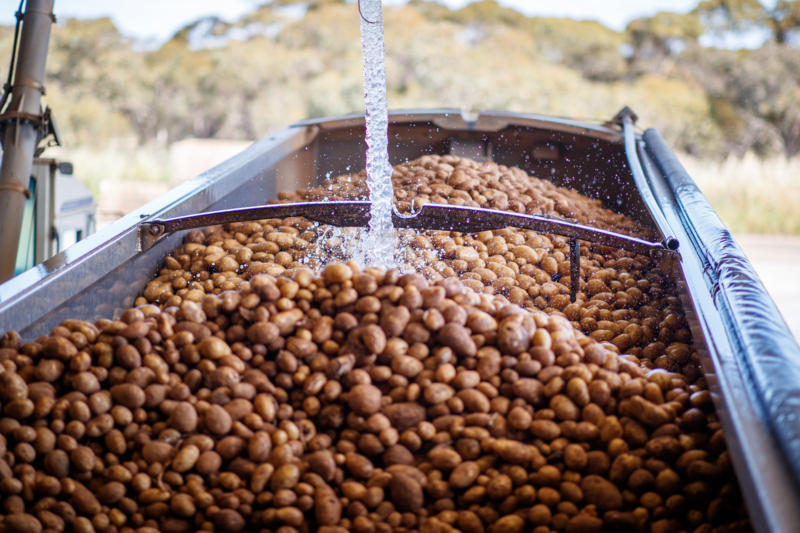
To read more about the state of horticulture in Australia head to: Australian Horticulture Statistics Handbook
About Hort Innovation:
Horticulture Innovation Australia (Hort Innovation) is a not-for-profit, grower-owned research and development corporation (RDC) for Australia’s $17 billion horticulture industry. It invests around $154 million in research and development and marketing programs annually to provide benefit to the 37 industry levies it support and the wider community.
CLASSIFIED


















Photo
Gallery







Subscribe to our E-Zine
More
From This Category

February 10, 2026
MG Group partners with The Gut Foundation
Growing a healthier New Zealand together

January 27, 2026
Protected Cropping, Weather Extremes And Growth Potential
Extreme weather again highlights the role of protected cropping. During last week’s deluge across the North Island, significant damage is expected across many outdoor crops. Onions lying on the ground and attempting to dry will be particularly vulnerable, with prolonged saturation likely to result in quality losses and storage issues.
January 27, 2026
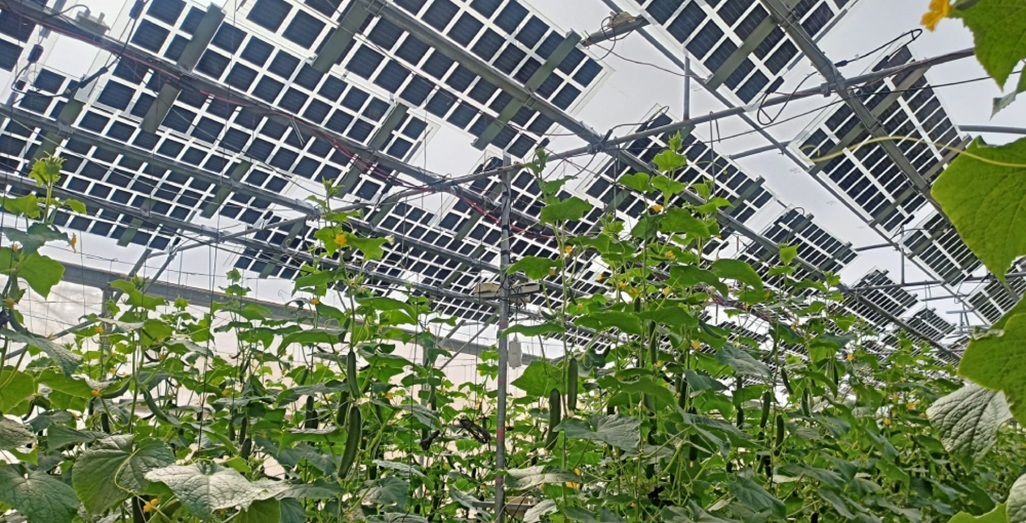
Agrivoltaics in Greenhouses Turning Sunlight into Energy and Crops
The EU is rapidly increasing its renewable energy targets, with solar power playing a central role in achieving these goals

January 12, 2026
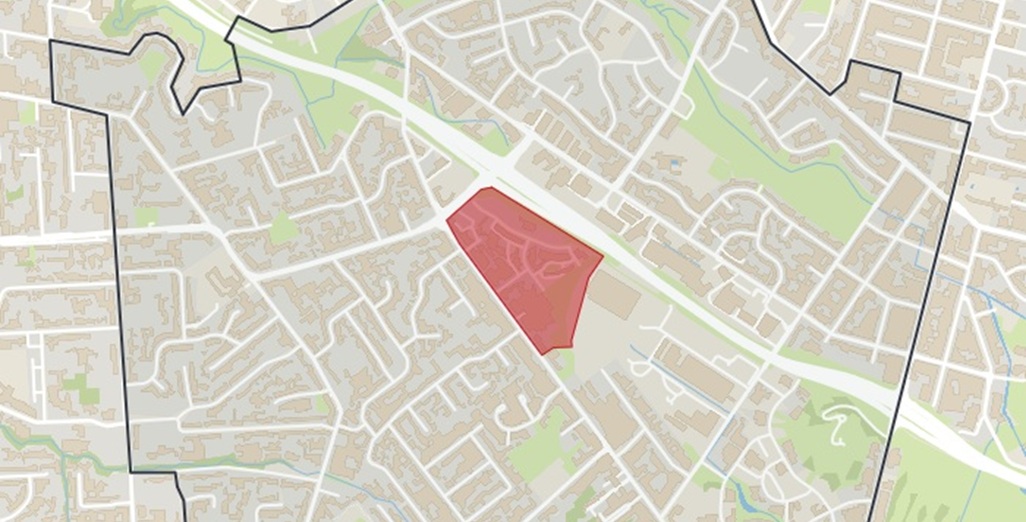
Response to fruit fly find in Mt Roskill continues
The recent detection of a Queensland fruit fly in Mt Roskill and the resulting biosecurity controls on fresh produce movement highlight the very real risk this pest poses to New Zealand’s horticulture sector.
CLASSIFIED