


Sign up here to subscribe to the Grower2grower Ezine. Every two weeks you will receive new articles, specific to the protected cropping industry, informing you of industry news and events straight to your inbox.
21
Sep 2020
Sep 2020
Courgette prices reduce
Predictable
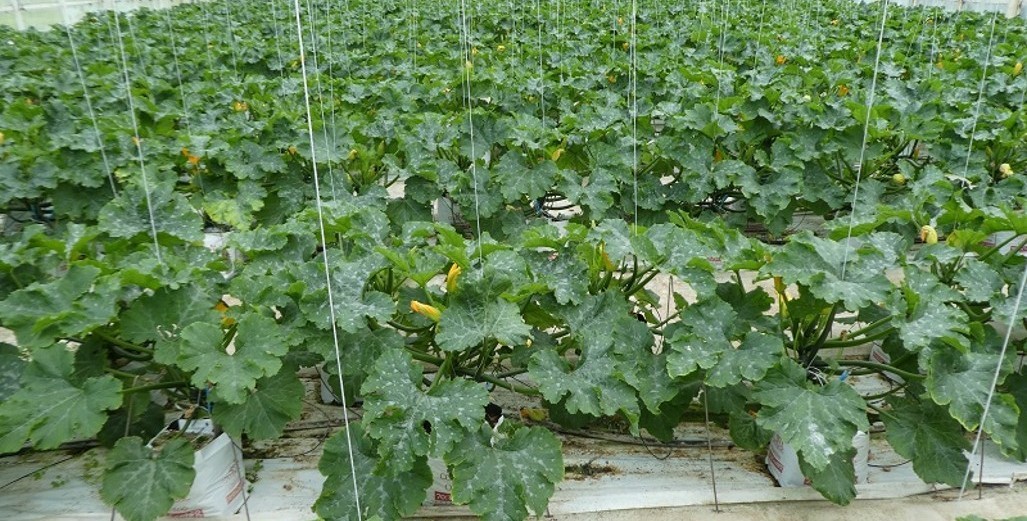
Growers are always on the lookout for new opportunities. In the case of courgettes, they tick a couple of boxes for double croppers (growers that plant two crops annually). I noticed in 2019 there was a considerable increase in the area planted with courgettes. This year, due to the restriction of imports from Queensland, I predict the greenhouse area planted has increased again.
The Lure of High Returns
This year prices have reached astronomically high levels for courgettes. There will be a few growers that have hit the jackpot, if their planting and harvesting dates have coincided with the huge increase in price, but some may not have been as fortunate. The associated unknown risk with growing courgettes in greenhouses, in the Auckland region, is they are competing with the outdoor crops, and when outdoor crops begin to harvest in warmer parts of the country the price can go from hero to zero in the blink of an eye. I never really considered growing courgettes, due to the huge fluctuations and uncertainty around volume and when they would be available to the market. A warmer than normal ‘winterless north’ could bring produce onto the market one to two weeks earlier. Those two weeks could be the high production high return opportunity greenhouse growers were hoping for.
The Covid-19 Effect
The other major and obvious disruptor was COVID-19. Due to loss of earnings, during the first lockdown, some greenhouse vegetable growers did terminate crops earlier than originally planned to replant courgettes.
The Australian Restrictions
The restriction of cucurbit imports from Australia has certainly opened up opportunities not to be ignored. However, if there are not supply agreements between growers and the wholesales/retailers then growers will make planting decisions on gut feel. This would be my least preferred option. Growers running this gauntlet, chopping and changing crops that do not have supply contracts are taking a calculated risk, and at the mercy of a supply and demand market. I don’t foresee growers losing money, in fact some have done extremely well, what this chopping and changing does, is affect the usual supply of other products such as tomatoes, that are traditional greenhouse crops. It is also very difficult for markets to predict future production flows. The wholesalers must find it challenging when this occurs.
The Market:
The market is ever evolving. The difficult part is prediction, no one can predict what may or may not be ‘exactly’ purchased by consumers. Trends are observed and growers may be approached to grow products deemed in high demand and under supplied. We only have around 300 ha of greenhouse grown vegetable crops in NZ so if a lot of one particular cultivar is suddenly replaced with a new cultivar it could inevitably leave a hole to fill, for example, tomato shortages this winter.
I could continue to speculate what caused a large shift in the market; the fact is it happened. The most recent food price index illustrated the price of tomatoes and courgettes were both high. Both will come back in value as production increases but possibly only one will continue to be stable while the other (courgettes) will soon be swallowed by outdoor production.

I appreciate your comments. Please feel free to comment on the grower2grower Facebook page:
https://www.facebook.com/StefanGrower2grower/
Article Written and compiled by Stefan Vogrincic, Consultant, Grower2Grower
Article Edited by Marie Vogrincic, Editor, Grower2Grower
CLASSIFIED












Subscribe to our E-Zine
More
From This Category

February 10, 2026
MG Group partners with The Gut Foundation
Growing a healthier New Zealand together
January 27, 2026
Protected Cropping, Weather Extremes And Growth Potential
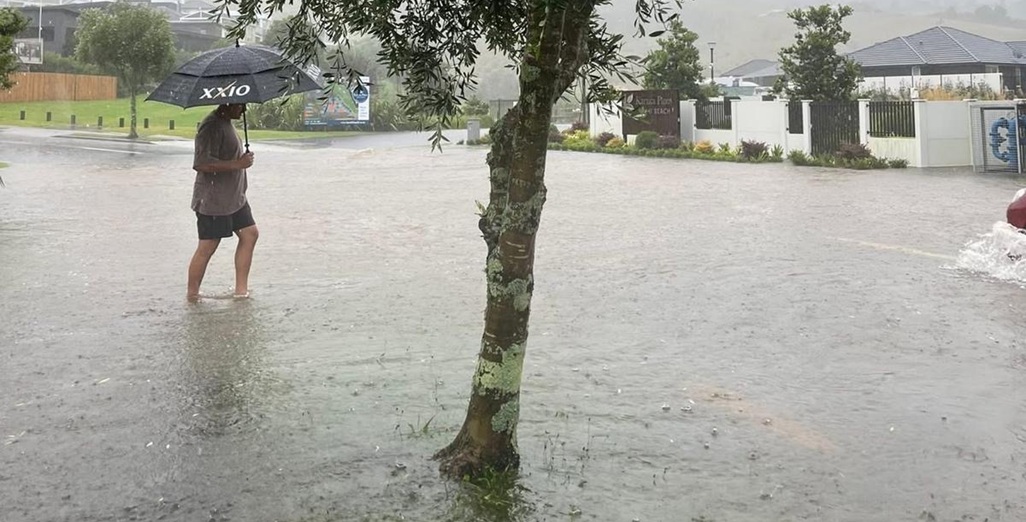
Extreme weather again highlights the role of protected cropping. During last week’s deluge across the North Island, significant damage is expected across many outdoor crops. Onions lying on the ground and attempting to dry will be particularly vulnerable, with prolonged saturation likely to result in quality losses and storage issues.
January 27, 2026
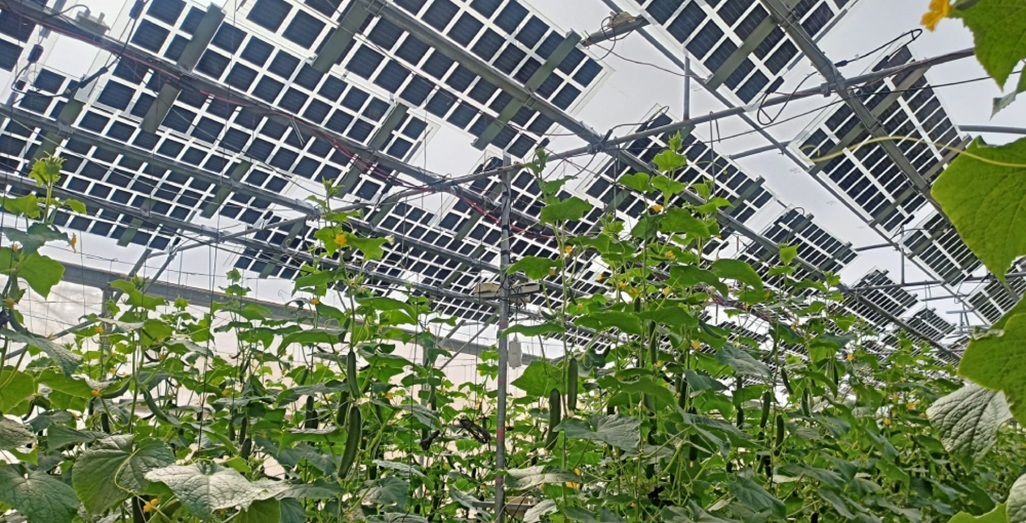
Agrivoltaics in Greenhouses Turning Sunlight into Energy and Crops
The EU is rapidly increasing its renewable energy targets, with solar power playing a central role in achieving these goals
January 12, 2026
Response to fruit fly find in Mt Roskill continues
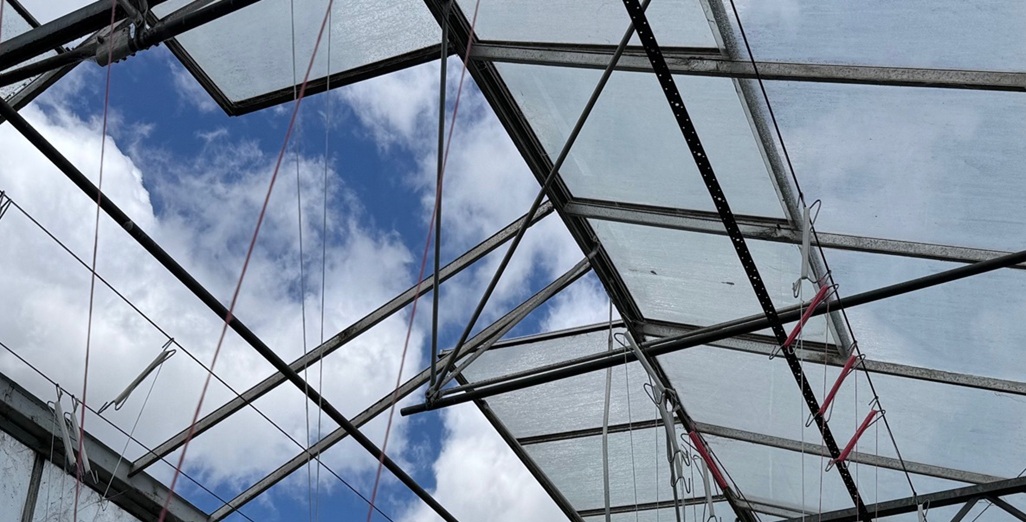
The recent detection of a Queensland fruit fly in Mt Roskill and the resulting biosecurity controls on fresh produce movement highlight the very real risk this pest poses to New Zealand’s horticulture sector.
CLASSIFIED