

Sign up here to subscribe to the Grower2grower Ezine. Every two weeks you will receive new articles, specific to the protected cropping industry, informing you of industry news and events straight to your inbox.
20
Oct 2020
Oct 2020
Covid-19 may potentially disrupt exports

How will this effect crop management
There have been multiple discussions in regards to the potential disruption of exporting fresh produce this summer, especially air freight. Although shipping could face challenges as well. If exporting does become an issue then companies/growers will have to adapt and be prepared to manage crops that may saturate the domestic supply.
Intelligent Crop Management (ICM)
Growers are continually trying to maximise production. However, this year, or early next year, an alternative should be considered, which is reducing fruit load per m2, while optimising plant vigour ensuring long crops which finish strong in late autumn.
There are some real benefits to reducing fruit numbers and increasing plant vigour, including the ability to supress nasty insects more effectively. If growers are concerned plants will become too strong then increasing extra day temperature won’t be an issue.
Whitefly is a major pain, it is a broken song sheet I sing from, but it is a constant battle that just gets worse. This year especially in the North Island it is already an issue for greenhouse growers (and advisors). Psyllids are already rearing their ugly heads which is more than likely going to affect crops prone to Psyllid yellows, a disease caused by Candidatus Liberibacter. Psyllids pose a much bigger threat to crop losses than whitefly if left unattended and chemical intervention is still imperative which highlights ICM and benefits it would have in the coming months.
Benefits of ICM:
- Increase plant vigour/health that should help in the battle against whitefly. This may enable growers to save the necessary chemistry required to combat Psyllids, if Psyllid yellows become an issue.
- Reduce volumes and poor-quality product that will be sold well below value or even dumped.
- A reduction in volume (at a time when produce is sold below cost) will reduce labour and transport costs which cannot be recouped.
Reducing the need for extra labour units at a time when employing willing workers is near impossible is another very important factor of an ICM approach this summer.
The Caveat:
You can always take fruit off a plant but you cannot immediately add it back on, so you may wish to take a wait and see approach, as the next few months unfold. The balance of the plant is always a factor. However, bearing in mind the issues of recruiting good staff, insect pressure and uncertainty around export, I would definitely consider my options in regards to the strategic growing approach this season. Definitely quality over quantity, reduce the pressure on the plant if there is no reward in it for you or your bank balance.
Consider your Competition:
The domestic market during summer is extremely competitive therefore if produce supplied is less than premium quality during the season it may struggle to be moved fast enough via the supply chains.
Marketing:
Increase consumption by reminding your neighbour if he has more BBQ’s and eats more tomatoes, his health and well-being will improve ��
If you wish to learn more about ICM please feel free to contact me for one on one advice that will suit your crops requirements.

I appreciate your comments. Please feel free to comment on the grower2grower Facebook page:
https://www.facebook.com/StefanGrower2grower/
Article Written and compiled by Stefan Vogrincic, Consultant, Grower2Grower
Article Edited by Marie Vogrincic, Editor, Grower2Grower
CLASSIFIED












Subscribe to our E-Zine
More
From This Category

February 10, 2026
MG Group partners with The Gut Foundation
Growing a healthier New Zealand together
January 27, 2026
Protected Cropping, Weather Extremes And Growth Potential
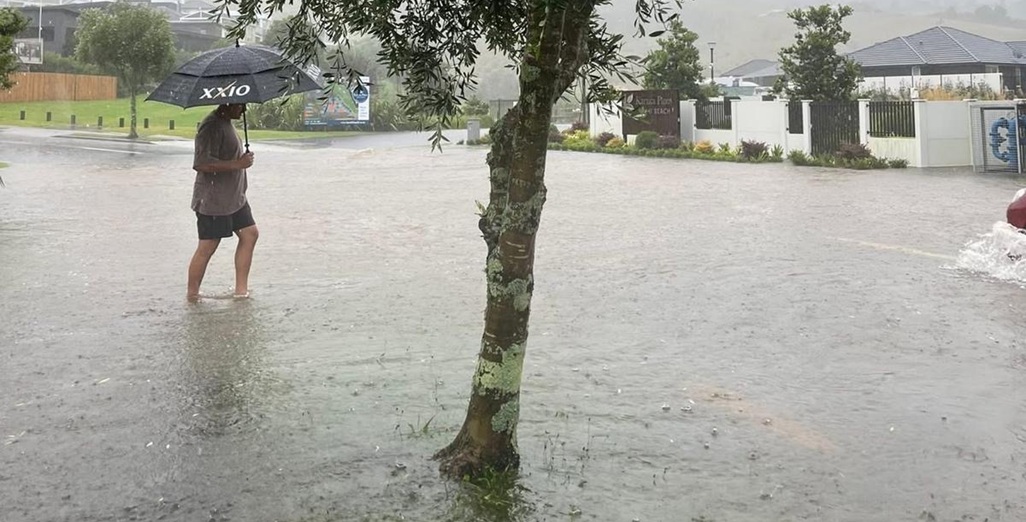
Extreme weather again highlights the role of protected cropping. During last week’s deluge across the North Island, significant damage is expected across many outdoor crops. Onions lying on the ground and attempting to dry will be particularly vulnerable, with prolonged saturation likely to result in quality losses and storage issues.
January 27, 2026
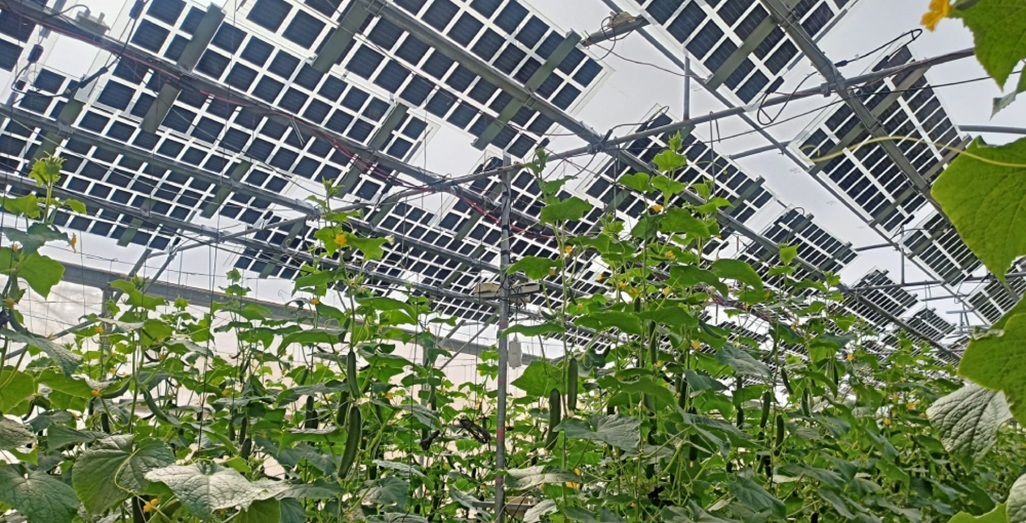
Agrivoltaics in Greenhouses Turning Sunlight into Energy and Crops
The EU is rapidly increasing its renewable energy targets, with solar power playing a central role in achieving these goals
January 12, 2026
Response to fruit fly find in Mt Roskill continues
The recent detection of a Queensland fruit fly in Mt Roskill and the resulting biosecurity controls on fresh produce movement highlight the very real risk this pest poses to New Zealand’s horticulture sector.
CLASSIFIED