

Sign up here to subscribe to the Grower2grower Ezine. Every two weeks you will receive new articles, specific to the protected cropping industry, informing you of industry news and events straight to your inbox.
26
Feb 2018
Feb 2018
Crop Registration
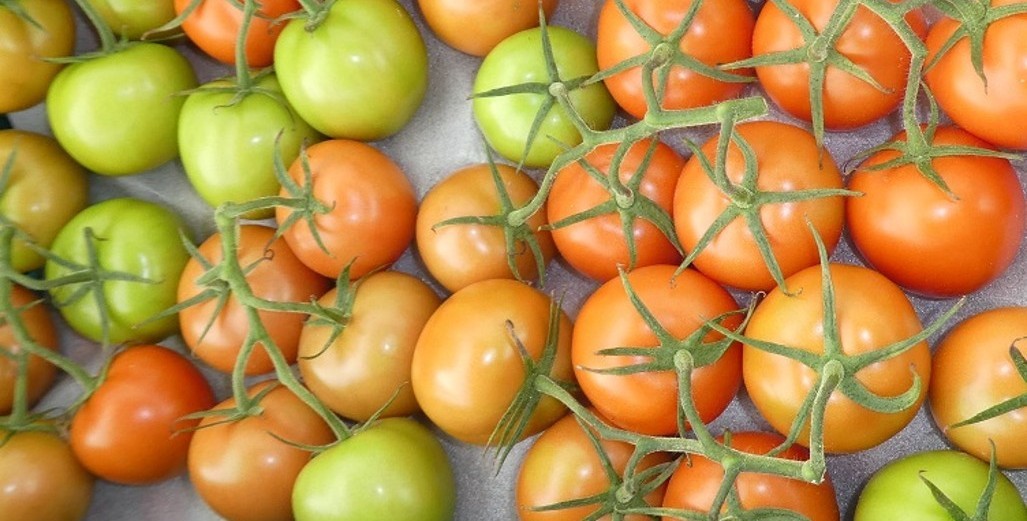
I highly recommend crop registration!
Crop registration is not for every grower, but those who carry out weekly crop registration will benefit. It can be time consuming and may seem like just a bunch of numbers, but as I always say ‘plants do not talk’. So, to understand what is happening a weekly crop registration can be so beneficial. The numbers and data you collect, as part of a crop registration, is like a tracking device. You can see the effect on your plants growth. This could be from previous changes you have made or from weather conditions and irrigation techniques. Knowing how your plant is reacting each week is vital for short and long-term crop planning.
Once you have this weekly information it is then the basis for your decision making for the next 7 days and beyond. The added benefit is that you have the ability to share this information with a consultant who will make suggestions about the direction you could go in. Having another set of eyes, I always found invaluable.
I was a medium sized grower compared to some of the large operations we have in New Zealand but when I joined a grower group (with the assistance of my consultant at that time Bryan Hart) with Tony van Rijn and Mathew Hellyer, in the late 90’s, I quickly started to understand the benefit of taking weekly measurements and readings. Data was also taken from the environmental computer and all entered onto the crop registration sheet.
Crop registration is not just for tomato growers, it could be useful for any grower, growing any crop. You need to know what has to be measured for your particular crop and take the necessary readings. In my experience cucumber growers generally will not do a crop registration. Cucumbers have a fast turn around and grow extremely quickly. I think they would benefit from completing weekly crop registrations and one example is the annual debate about when is it the right time to change from summer varieties to winter varieties? Collecting information year on year would give you an opportunity to look at the figures from previous years and use this information to base your decision on. It might be the difference of one or two units per cycle which might not seem a huge amount but over 10 years it is. Especially at a time when historically prices will be starting to improve.
“How do we do this?”, “What do we measure?” unfortunately, this is not something I can totally explain in a short article. Showing you a template of crop registration sheet is a good guide and even a video tutorial will help. It is something best shown to you in your greenhouse on your crop. A crop registration guide can be developed to suit your particular property and the crop you are growing. I don’t blame growers for not wanting to do a crop registration, knowing the time pressures and constraints it is probably last on your list but as my accountant always says “if you are working in your business and not on it you are possibly losing money!” I can only speak from experience and the experience and results from the growers I consult to. The ones that do crop registration are more consistent and find it easier to make on the spot changes.

A template of how a crop registration sheet could look. This is an example for a tomato grower. Sheets can be adapted to suit whatever you are growing.
For more information regarding this article and if you are interested in learning more about crop registration please contact me.
Article written by Stefan Vogrincic, Consultant, Grower2Grower
CLASSIFIED












Subscribe to our E-Zine
More
From This Category

February 10, 2026
MG Group partners with The Gut Foundation
Growing a healthier New Zealand together

January 27, 2026
Protected Cropping, Weather Extremes And Growth Potential
Extreme weather again highlights the role of protected cropping. During last week’s deluge across the North Island, significant damage is expected across many outdoor crops. Onions lying on the ground and attempting to dry will be particularly vulnerable, with prolonged saturation likely to result in quality losses and storage issues.
January 27, 2026
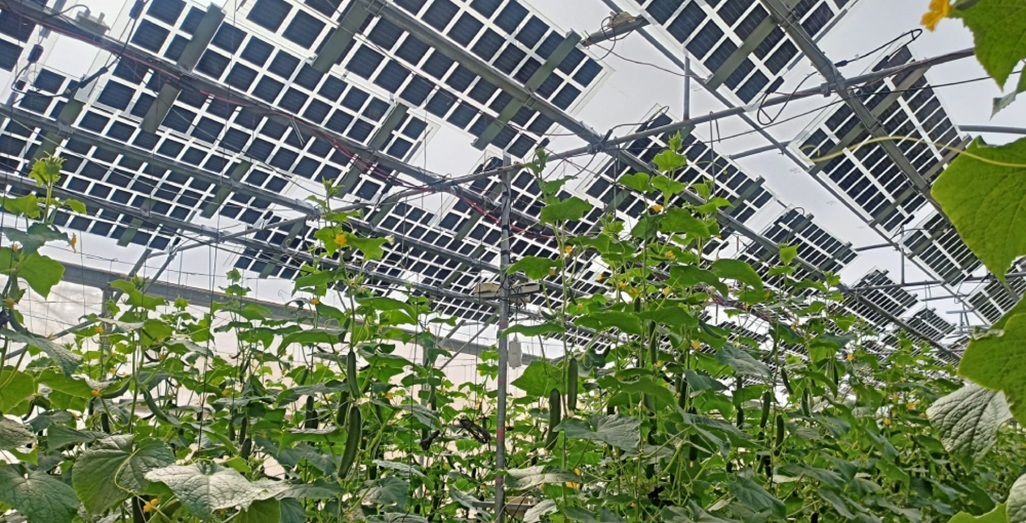
Agrivoltaics in Greenhouses Turning Sunlight into Energy and Crops
The EU is rapidly increasing its renewable energy targets, with solar power playing a central role in achieving these goals

January 12, 2026
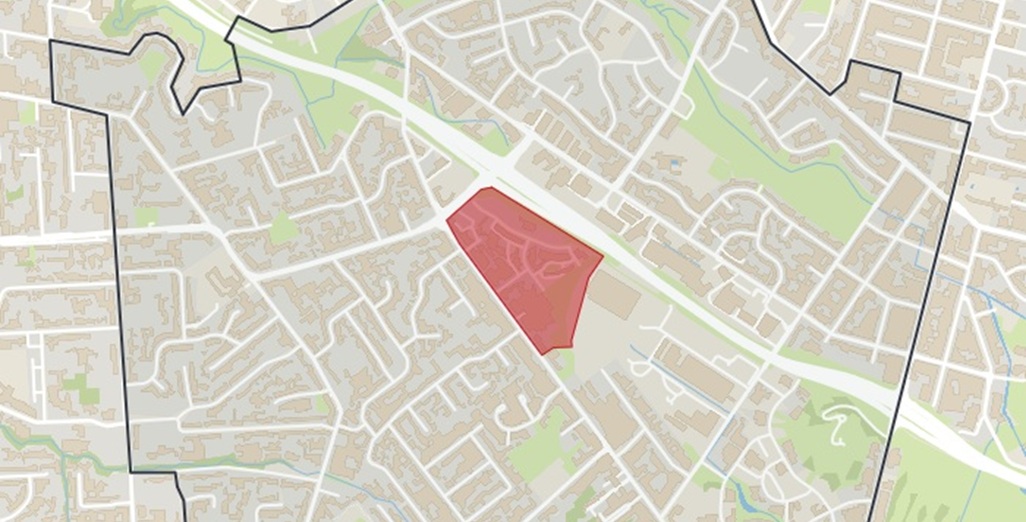
Response to fruit fly find in Mt Roskill continues
The recent detection of a Queensland fruit fly in Mt Roskill and the resulting biosecurity controls on fresh produce movement highlight the very real risk this pest poses to New Zealand’s horticulture sector.
CLASSIFIED