

Sign up here to subscribe to the Grower2grower Ezine. Every two weeks you will receive new articles, specific to the protected cropping industry, informing you of industry news and events straight to your inbox.
19
Nov 2018
Nov 2018
Cucumber Leaf Phytotoxic Reaction.
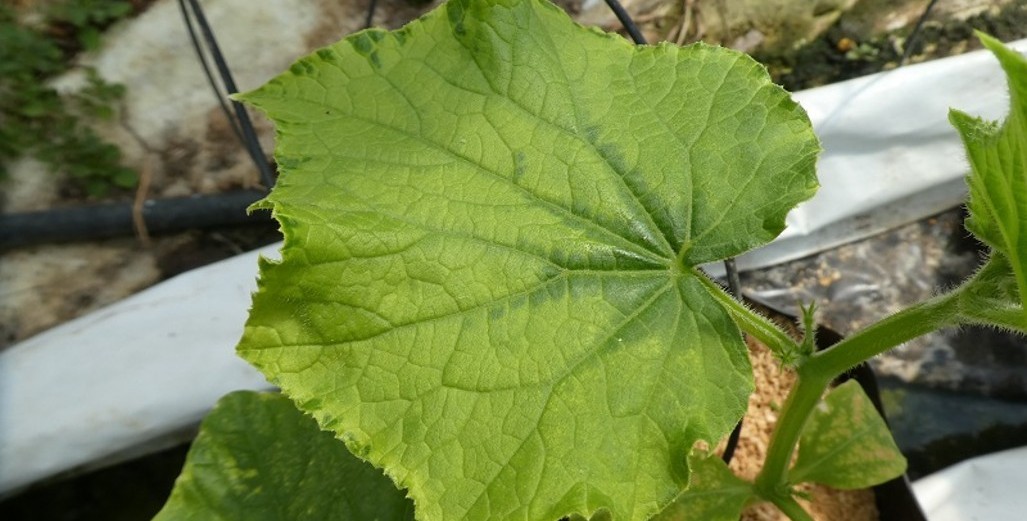
Accidentally damaged not through neglect but kindness
It is timely that I write this article the week Educhem opened their new premises in Tuakau. Whether it is a coincidence or just good timing, this is a perfect example of why there is a need to make sure every grower has the best possible knowledge and information to prevent potential accidents from occurring.
In the cover photo, I think it is probable that there has been a phytotoxic reaction to the cucumber leaf. After a bit of probing, I realised this may have been caused by residue from a disinfectant. It is possible it had remained active/present in the irrigation lines between plantings. The level of concentration (luckily), from the disinfectant in the irrigation lines, must have been at the low end of the scale, but you can see it has affected the appearance of the leaf, turning almost 80-90% of the leaf a light yellow/lime colour. The very top of the plant was ok and I expect the plant to grow through this hiccup. It is hard to put a financial value on how much this will cost the grower. It will certainly take, depending on the severity, time to recover and therefore a delay to the start of harvesting. It is more than probable this will have had an adverse effect on the root systems reducing their growth rate.
The benefit of my experience and visiting hundreds of growers, in New Zealand and globally, is that I have seen many crops accidentally damaged not through neglect but kindness. I have seen crops damaged by products used to disinfect irrigation lines before. A problem may occur if you don’t flush out the irrigation lines sufficiently before you replant and residue from the chemical has remained. If you are not changing your substrate and wish to disinfect irrigation lines, please, first remove the drippers from the substrate.
Cucumbers are very sensitive to the slightest issue. Tomatoes and peppers are more forgiving but not exempt, if the product is toxic to the plant then you will damage the plant, affecting its ability to function normally. Here is the conundrum, either do nothing or do something, especially if you know you have a problem with your water supply. I think growers should be encouraged to use products that keep their irrigation systems clean and their plants healthy, but the advice given to them when purchasing these products is the most important piece of the puzzle. Water sources are generally never 100% free from contamination, otherwise we would not have the need for such products on the market.
By completing appropriate training, you will equip yourself with the questions to ask your supplier, when purchasing chemicals, to limit the chance of plant damage. It won’t make growers immune to problems, but I would certainly hope it will prevent severe crop damage. Always consider the time of the year, the age of the crop, and how the weather will influence toxic reactions.
It is not just cucumbers, tomatoes, peppers and eggplants that are affected but all plants grown in greenhouses. Flower growers have to be especially vigilant, if the flower is damaged then their product is not marketable.
Below is an article I came across on the internet from Kristin Getter, Michigan State University. If you have time it is worth reading.
http://www.canr.msu.edu/news/plant_phytotoxicity_in_the_greenhouse
I appreciate your comments. Please feel free to comment below or on the grower2grower Facebook page:
https://www.facebook.com/StefanGrower2grower/
Article Written by Stefan Vogrincic, Consultant, Grower2Grower
CLASSIFIED












Subscribe to our E-Zine
More
From This Category
March 10, 2026
Australia’s horticulture sector has delivered a year of record‑breaking performance
Highest production value to date of $18.4 billion, up 6% on the previous year.
March 10, 2026
Energy saving through screens
A combination of screen use, screen quality, greenhouse climate requirements, and greenhouse equipment.
March 10, 2026
Heating Uncertainty Leaves Greenhouse Growers Searching for Answers
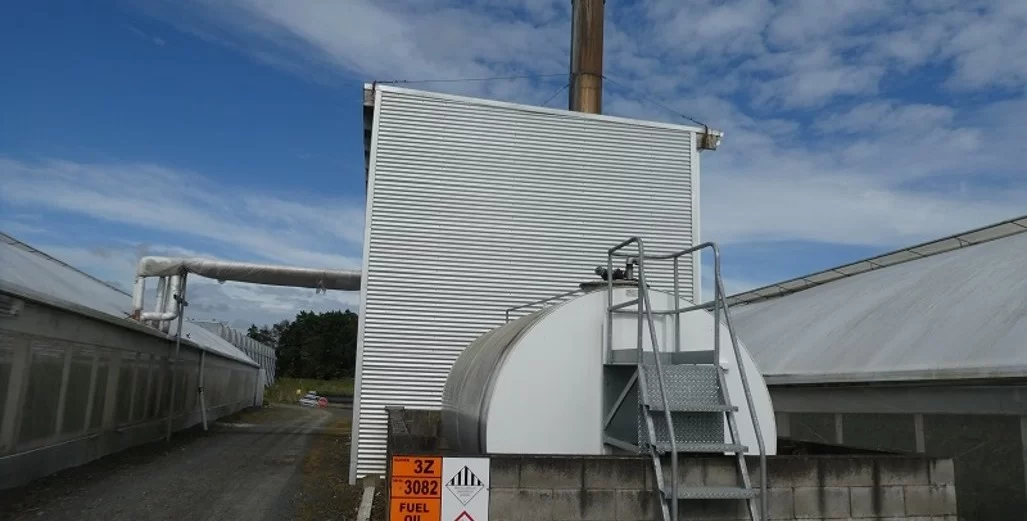
Waste oil supply changes force growers to reconsider long-term heating options ahead of winter. Two weeks ago I was alerted that one of the major recycled waste oil suppliers, based in the Auckland region, will soon stop supplying greenhouse growers. For one of my customers this came as a significant shock, particularly given that notice was given that deliveries will cease in the coming months –

February 10, 2026
MG Group partners with The Gut Foundation
Growing a healthier New Zealand together
January 27, 2026
Protected Cropping, Weather Extremes And Growth Potential
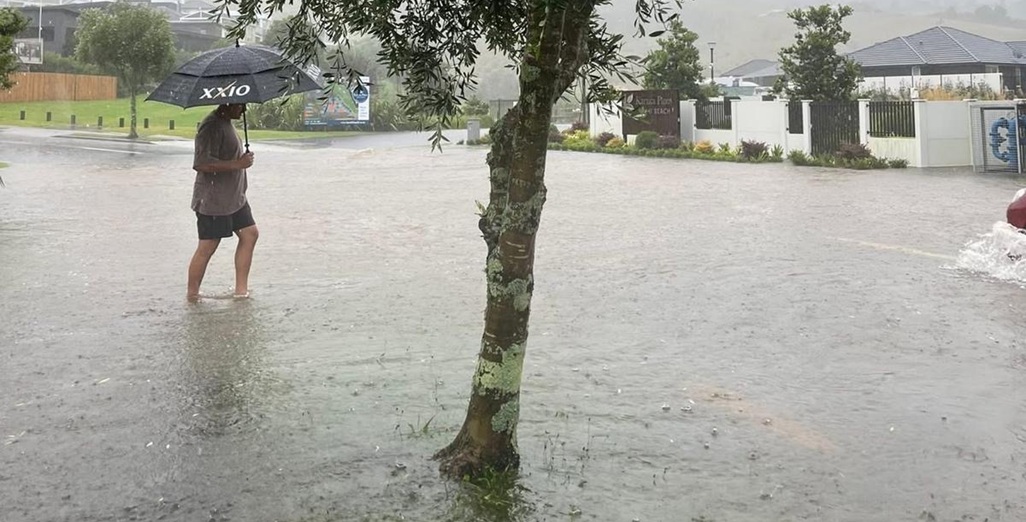
Extreme weather again highlights the role of protected cropping. During last week’s deluge across the North Island, significant damage is expected across many outdoor crops. Onions lying on the ground and attempting to dry will be particularly vulnerable, with prolonged saturation likely to result in quality losses and storage issues.
CLASSIFIED