

Sign up here to subscribe to the Grower2grower Ezine. Every two weeks you will receive new articles, specific to the protected cropping industry, informing you of industry news and events straight to your inbox.
10
Feb 2020
Feb 2020
Dubbed the Ebola of plant viruses

ToBRFV N.Z
Dubbed the Ebola of plant viruses, Tomato Brown Rugose Fruit Virus (ToBRFV for short) is a relatively new threat to the Tomato and Pepper industry worldwide.
Thought to have originated in Jordan 2016, ToBRFV has since been located in America, Europe and Africa. At the time of writing, unconfirmed reports of the virus in both Holland and Spain have many experts warning to brace for the worst.
ToBRFV belongs to the genus of the Tobamoviruses which also includes Tomato mosaic virus and Tobacco mosaic virus. It’s mainly recognisable by the mosaic pattern that presents on young leaves which become gnarled over time, the stems of the plant can present with browning or necrosis and the fruit itself also develops mottled yellow spots and becomes disfigured.
_-_Copy(1).jpg)
The ToBRFV virus can survive for long periods in water, seeds, soil and plant material. It’s high tolerance to traditional methods of disinfection mean it’s hard to treat and this can often be compounded by the fact it presents similarly to the less destructive Pepino mosaic virus.
The best form of defence against this latest threat is prevention, Growers are advised to take all precautions to avoid ToBRFV entering the Greenhouse. This means setting up perimeter barriers in the form of Hygiene locks (examples pictured) to ensure that anyone entering the Greenhouse receives appropriate disinfection. Hands should be thoroughly cleaned and both hands and feet should be disinfected as a minimum step. All visitors should be screened to ensure they have not visited other farms without protection and protective coveralls, hairnets, boots and gloves should be worn if entry to the greenhouse is absolutely necessary.
_-_Copy.jpg)
Because ToBRFV spreads mechanically through activities like de leafing, clipping and harvesting, Hygiene is critical to avoid contamination and in the worst case minimalize the spread of any outbreak. Common carriers of the virus inside the greenhouse are,
- Material like knives, scissors and clothing (rusted metal is very difficult to disinfect)
- Crates, trolleys and packaging
- Contaminated fruits
- Insects and birds (in theory)
A strict company hygiene plan with regular audits is recommended to safeguard against widespread outbreaks, steps like designated staff zones, Hygiene officers, mandatory tool disinfection, internal transport disinfection and row by row glove changes are all options should you perceive an imminent threat. If this is already common practice within your business, you have given yourself the best chance to avoid disaster.
Crop rotation is another area where extra care can be taken to avoid dangerous conditions that harbour disease. Some steps to take are,
- Develop a plan for crop rotation that involves relevant stakeholders, focus on problem areas that may harbour disease and deal with them in the most thorough way possible.
- Utilize specialized equipment and chemicals that can improve the clean, disinfection and reduce human labour.
- As ToBRFV can survive in water, take extra care to clean and disinfect all Tanks and irrigation equipment, this is especially important when starting a new crop.
- Please make staff safety a part of every discussion
_-_Copy_-_Copy.jpg)
If you suspect the presence of ToBRFV in your Greenhouse, please contact the Ministry for primary industries on 0800 80 99 66 to report a suspected disease. For general enquiries email info@mpi.govt.nz
There is no known cure for ToBRFV so if an outbreak is detected the area must be segregated immediately and all infected plants must be removed and destroyed. Please do so in consultation with MPI N.Z.
Royal Brinkman has a dedicated Hygiene team and utilizes the latest technology and products to improve Greenhouse Hygiene globally. For further information contact info@royalbrinkman.com.au
By Matthew Dent- Technical specialist Royal Brinkman Australia
Matthew Dent | Sales Brinkman Australia
18-20 Jarrah Drive, Braeside, Vic 3195
M. 0447-734654 | T. 03 9587 2566
E. matthew@royalbrinkman.com.au
W. www.royalbrinkman.com/australia
_-_Copy_-_Copy.jpg)
I appreciate your comments. Please feel free to comment on the grower2grower Facebook page:
https://www.facebook.com/StefanGrower2grower/
Special thanks to Matthew Dent for his time and efforts prepearing this article.
CLASSIFIED









Subscribe to our E-Zine
More
From This Category

February 10, 2026
MG Group partners with The Gut Foundation
Growing a healthier New Zealand together
January 27, 2026
Protected Cropping, Weather Extremes And Growth Potential
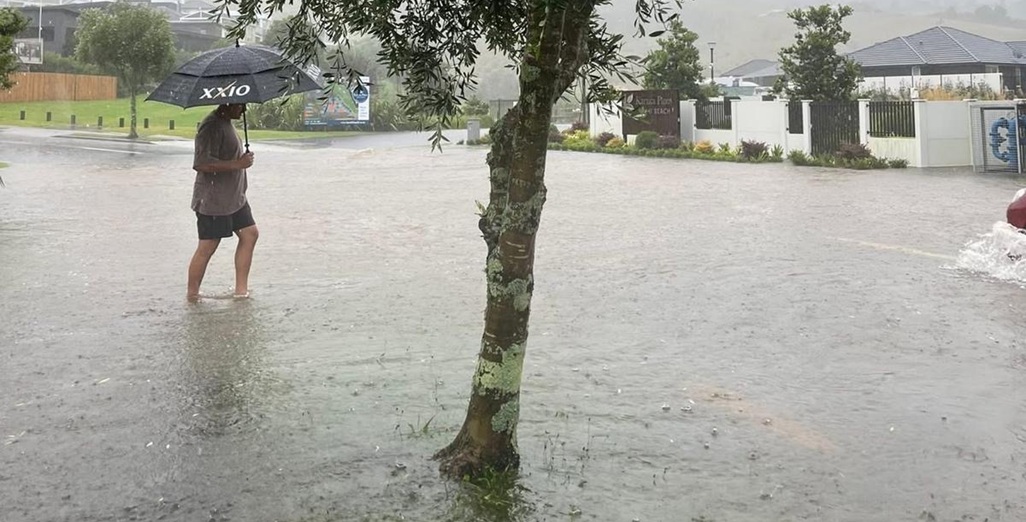
Extreme weather again highlights the role of protected cropping. During last week’s deluge across the North Island, significant damage is expected across many outdoor crops. Onions lying on the ground and attempting to dry will be particularly vulnerable, with prolonged saturation likely to result in quality losses and storage issues.
January 27, 2026
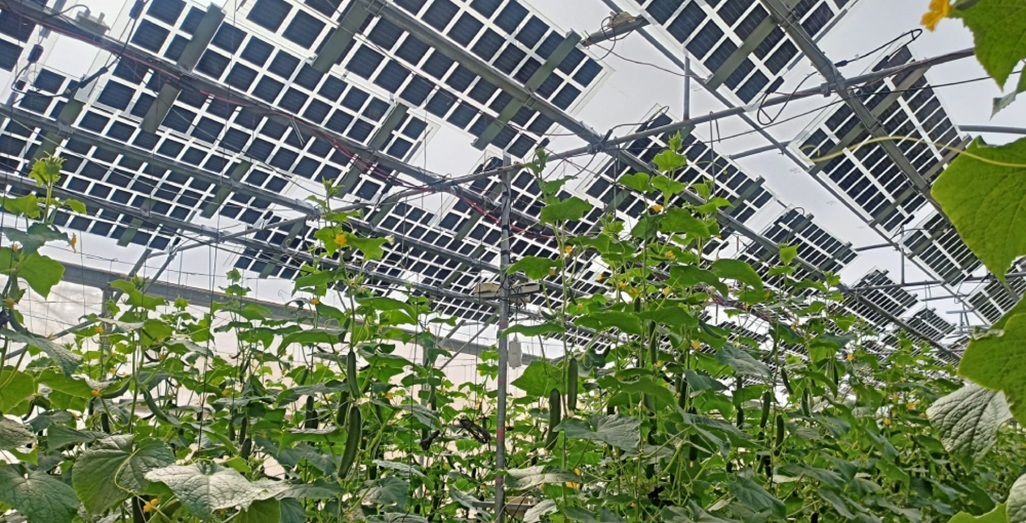
Agrivoltaics in Greenhouses Turning Sunlight into Energy and Crops
The EU is rapidly increasing its renewable energy targets, with solar power playing a central role in achieving these goals
January 12, 2026
Response to fruit fly find in Mt Roskill continues
The recent detection of a Queensland fruit fly in Mt Roskill and the resulting biosecurity controls on fresh produce movement highlight the very real risk this pest poses to New Zealand’s horticulture sector.
CLASSIFIED