



















Sign up here to subscribe to the Grower2grower Ezine. Every two weeks you will receive new articles, specific to the protected cropping industry, informing you of industry news and events straight to your inbox.
12
Feb 2025
Feb 2025
EPA boosts frontline staff to improve agrichem wait times
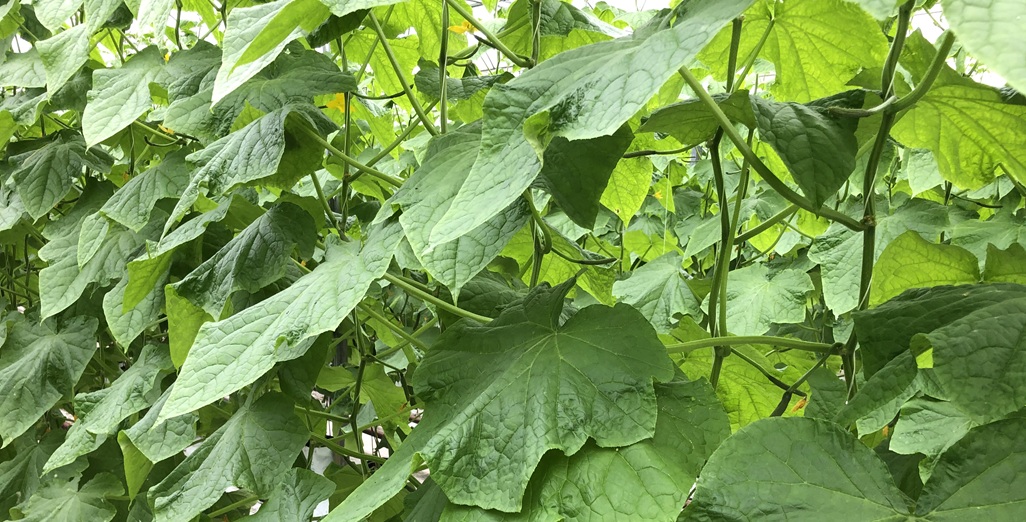
The Environmental Protection Authority (EPA) is bolstering its frontline applications teams as part of a suite of planned improvements to reduce application timeframes.
EPA General Manager Hazardous Substances and New Organisms, Dr Chris Hill, says the EPA appreciates the industry’s concerns about delays for agrichemical applications.
“Through careful reprioritisation of our funding, we are now in a position to recruit additional frontline staff for a new team.”
“And once our full raft of improvements are complete, we will see an increase in applications being processed.”
Other planned improvements include:
· creating a prioritisation framework for the queue
· developing new group standards for low-risk hazardous substances
· working with the Ministry for the Environment on amendments to the HSNO Act
· improving communication and transparency with applicants and stakeholders, including recently contacting industry for details of innovative or softer chemicals.
Dr Hill said changes made previously, such as the hiring of additional applications staff in recent years and the introduction of the international regulator rapid assessment pathway, were now starting to have an impact.
“For the first time in more than four years, we are deciding a similar number of applications to new applications that are lodged. In the seven months of this financial year there have been 36 release applications lodged and 34 decided.”
“Of these, 32 were rapid or lower-risk assessments and two were higher-tier risk assessments.”
“This is in addition to sustained performance in processing containment applications, which are often for agrichemical field trials, with 25 lodged and 25 decided this year.”
Time will be required to train the team and bring new staff up to speed, Dr Hill said.
“For agrichemicals that contain active ingredients new to New Zealand, we are required to follow a rigorous assessment process, which includes identifying both the risks and opportunities, and considering our unique environment and culture.
“These are typically the most complex and resource-heavy assessments we undertake and they often require public consultation.
“We hope to see a material impact on the hazardous substance applications queue in about 12 to 18 months after the new staff are recruited.”
Recruitment is likely to begin in February.

CLASSIFIED









Photo
Gallery





Subscribe to our E-Zine
More
From This Category
September 8, 2025
Have your say and go in to win (ALT)
Crop protection practices are the focus of an A Lighter Touch survey aiming to establish whether growers are moving to a more integrated approach to pest and disease management.
August 24, 2025
Visit to Ecomix Headquarters in Melbourne
Australian tomato growers buoyed by a year of good returns

July 29, 2025
Australian horticulture’s $1 billion annual productivity opportunity
Over the past 30 years, the annual productivity growth of the horticulture industry has been 0.5% to 1.5%
July 29, 2025
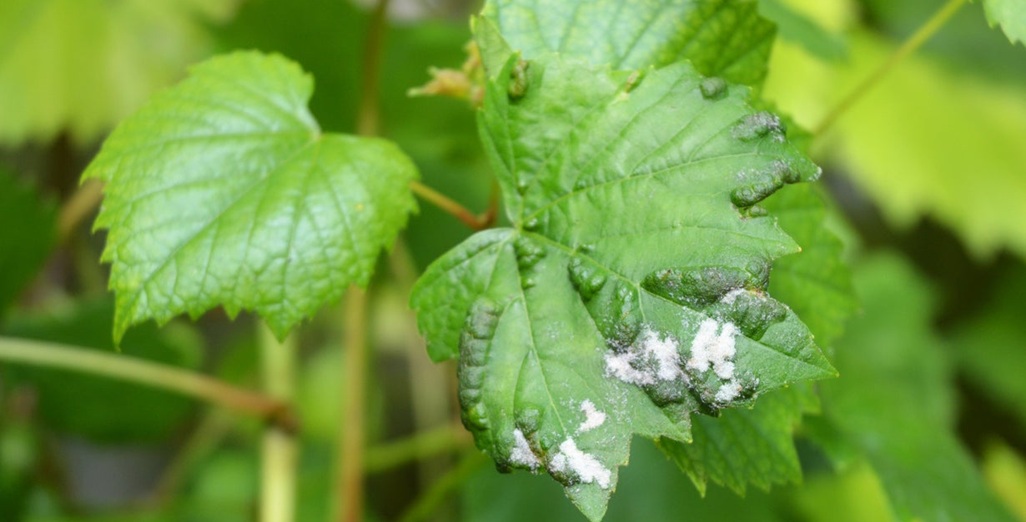
Powdery Mildew: EPA approves Rhapsody, a fungicide containing 218 g/L ipflufenoquin, a chemical new to New Zealand
The Environmental Protection Authority (EPA) has approved a fungicide with a new active ingredient that controls blackspot and powdery mildew on apples and pears, and Botrytis on grapes.

July 14, 2025
Calling on suppliers to do the right thing (Hygiene)
"Every part of the sector has a role to play in Biosecurity" (Dinah Cohen, GM TomatoesNZ) 공급업체들에게 올바른 행동을 촉구합니다

July 1, 2025
Cravo Cricket Houses: New Zealand’s Game-Changing Training Facilities
Creating Conditions for Cricket Excellence
CLASSIFIED