

Sign up here to subscribe to the Grower2grower Ezine. Every two weeks you will receive new articles, specific to the protected cropping industry, informing you of industry news and events straight to your inbox.
18
Nov 2025
Nov 2025
EPA – New reporting and notification requirements are coming in 2026
From 1 January 2026, in addition to the business information you currently need to provide, all importers and manufacturers of hazardous substances will need to provide:
• your New Zealand Business Number (NZBN) if you have one
• the HSNO approval number or group standard number(s) for each hazardous substance you are importing or manufacturing.
You’ll need to notify us within 30 days of first importing or manufacturing each hazardous substance. Any changes to your business information, such as a new point of contact, business address, or other relevant details, also need to be reported within 30 days.
If you’ve already provided this information and meet your responsibilities under the current Hazardous Substances (Importers and Manufacturers) Notice, you’ll need to use the new
online portal to resubmit this information from 2026. This helps ensure that information in the new online portal is up to date.
Annual reporting for certain chemicals
If you import or manufacture certain hazardous substances, you’ll need to submit an annual report to the Environmental Protection Authority (EPA). The first reports, covering activity
during the 2025 calendar year, will be due between 1 January and 31 May 2026. Start keeping records now to ensure you’re ready.
Substances requiring annual reporting include:
• agrichemicals (eg pesticides, fumigants, plant growth regulators, vertebrate toxic
agents)
• selected veterinary medicines*
• timber treatment chemicals
• antisapstain chemicals
• antifouling paints.
*Only parasiticides used in large commodity animals (eg sheep, cattle, goats, horses) are
included.
You do not need to provide this information for:
• fertilisers
• methyl bromide**
• EDN**
• any substance imported or manufactured in accordance with a containment approval
issued under section 32 of the HSNO Act.
**These substances have separate reporting requirements under the HSNO Act.
What you’ll need to include in your annual report
Substance details:
• the product name
• the chemical category
• HSNO approval number or group standard title.
For each product, details of the active ingredient(s):
• the name
• CAS number (if applicable)
• total quantity (kg) in formulated products.
You’ll need to identify each product and report the amount of active ingredient contained in that product that was imported or manufactured over the previous calendar year.
Just relabeling or repacking? The annual reporting requirement doesn’t apply to you
The reporting requirement applies to those who import these designated hazardous substances from overseas or manufacture them in New Zealand. In cases where the
substances are relabelled, the original importer is responsible for reporting to avoid double counting.
Webinar on 26 November – register now
Join our webinar on 26 November at 10:30am to learn more about the upcoming reporting and notification requirements and the new online portal.
What you can do now
✔ Check the new requirements and key dates
✔ Sign up for HS Update
✔ Register for the webinar on 26 November
For more information contact:
Email: media@epa.govt.nz

CLASSIFIED



















Photo
Gallery











Subscribe to our E-Zine
More
From This Category

March 10, 2026
Australia’s horticulture sector has delivered a year of record‑breaking performance
Highest production value to date of $18.4 billion, up 6% on the previous year.

March 10, 2026
Energy saving through screens
A combination of screen use, screen quality, greenhouse climate requirements, and greenhouse equipment.
March 10, 2026
Heating Uncertainty Leaves Greenhouse Growers Searching for Answers
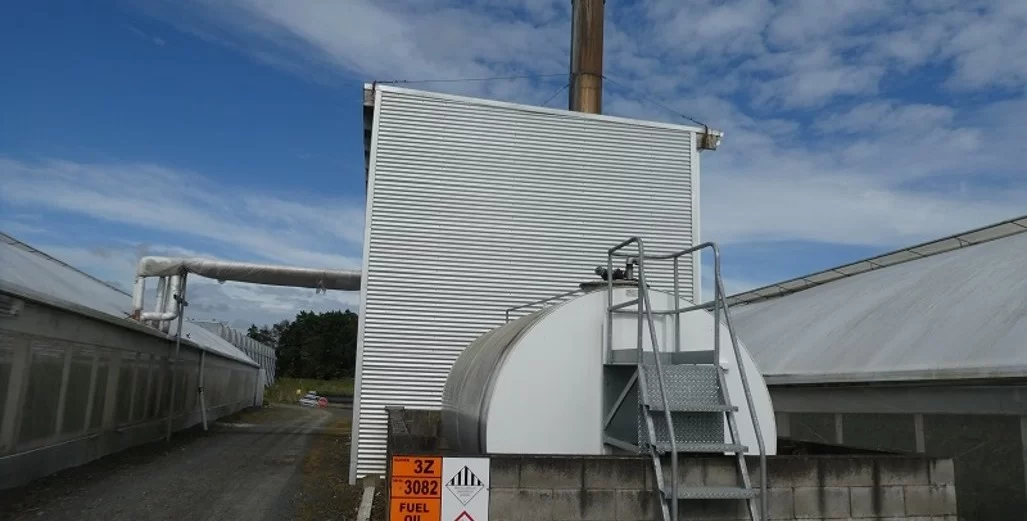
Waste oil supply changes force growers to reconsider long-term heating options ahead of winter. Two weeks ago I was alerted that one of the major recycled waste oil suppliers, based in the Auckland region, will soon stop supplying greenhouse growers. For one of my customers this came as a significant shock, particularly given that notice was given that deliveries will cease in the coming months –

February 10, 2026
MG Group partners with The Gut Foundation
Growing a healthier New Zealand together

January 27, 2026
Protected Cropping, Weather Extremes And Growth Potential
Extreme weather again highlights the role of protected cropping. During last week’s deluge across the North Island, significant damage is expected across many outdoor crops. Onions lying on the ground and attempting to dry will be particularly vulnerable, with prolonged saturation likely to result in quality losses and storage issues.
CLASSIFIED