

Sign up here to subscribe to the Grower2grower Ezine. Every two weeks you will receive new articles, specific to the protected cropping industry, informing you of industry news and events straight to your inbox.
2
Dec 2024
Dec 2024
Excellent online webinar hosted by De Ruiter/Bayer Australia
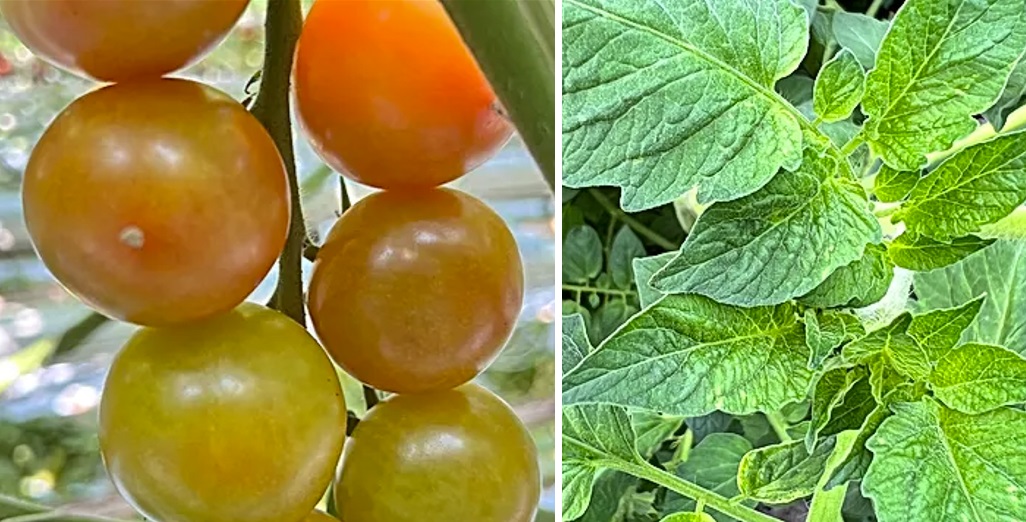
North and South American Tomato Growers Share ToBRFV Experiences
By Stefan Vogrincic
Recently attended a webinar hosted by Genie Tasopoulos from Bayer Australia, focusing on Tomato Brown Rugose Fruit Virus (ToBRFV). The webinar featured detailed experiences from North and South American tomato growers who dealt with ToBRFV. Thanks to Bayer Australia and the growers for sharing their experiences and noted the importance of this information, especially since ToBRFV has been found in Australia, making it a pressing concern for New Zealand and Australian growers.
(De Ruiter are part Vegetables by Bayer)
Topics include:
- Mitigating ToBRFV
- Impact & Recovery
- Prevention & Sanitation
- Information & Support
Mitigating ToBRFV:
Strict hygiene protocols and trusted seed sources are critical in preventing ToBRFV
Impact & Recovery:
Locations affected by ToBRFV experienced upwards (or higher) of 30% loss in crop production, with some varieties severely impacted after less than six months of the crop cycle. They highlighted that recovery is ongoing and that a full return to pre-ToBRFV conditions is unlikely until highly resistant varieties are developed that do not compromise production or flavour potential.
Prevention & Sanitation:
Once ToBRFV infects a site, complete elimination has been unachievable despite extensive use of cleaning products. One property disinfected its site with multiple products, but the virus returned the following season. Growers at this company attempted to transition to resistant varieties but were limited by marketing commitments, leading to continued losses in non-resistant varieties. While sanitation has not eradicated the virus, it is critical for slowing reinfection. Patterns of spread were linked to staff work habits, emphasizing the need for rigorous hygiene practices, including changing gloves, hand dipping, and cleaning machinery between areas.
Information and Support:
Highly resistant varieties (HRVs) are viewed as the only viable long-term solution to managing ToBRFV. For one high-tech grower, the reduction in production is currently at 10% with HRVs. Intermediate resistance packages have proven ineffective in warm conditions, as the virus overcomes these resistances, leading to significant production losses. It was emphasized that HRVs are essential, though growers must accept a 10% reduction in production for now. Growers will need to continue trialling varieties while seed breeders work toward developing HRVs with quality and yields comparable to traditional varieties. Progress is being made by seed companies in the right direction.
My Question:
New Zealand has had Pepino Mosaic Virus (PepMV) for approximately four years but currently lacks access to vaccines due to regulations. I inquired during the webinar if any growers had experienced both PepMV and ToBRFV simultaneously. While growers could not comment extensively due to PepMV inoculation practices, one grower from Chile suggested that both viruses would be devastating for a crop. This reaffirmed my belief that it is critical for New Zealand to restrict imports of fresh produce and rely only on reputable seed companies to supply seed, emphasizing the importance of protecting the industry until viable solutions are found.
CLASSIFIED















Photo
Gallery





Subscribe to our E-Zine
More
From This Category

February 10, 2026
MG Group partners with The Gut Foundation
Growing a healthier New Zealand together

January 27, 2026
Protected Cropping, Weather Extremes And Growth Potential
Extreme weather again highlights the role of protected cropping. During last week’s deluge across the North Island, significant damage is expected across many outdoor crops. Onions lying on the ground and attempting to dry will be particularly vulnerable, with prolonged saturation likely to result in quality losses and storage issues.
January 27, 2026
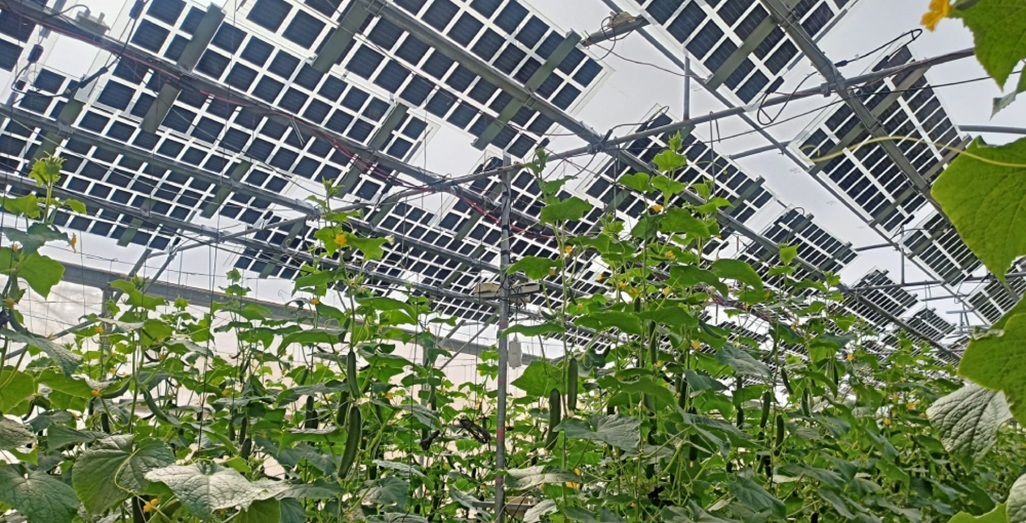
Agrivoltaics in Greenhouses Turning Sunlight into Energy and Crops
The EU is rapidly increasing its renewable energy targets, with solar power playing a central role in achieving these goals
January 12, 2026
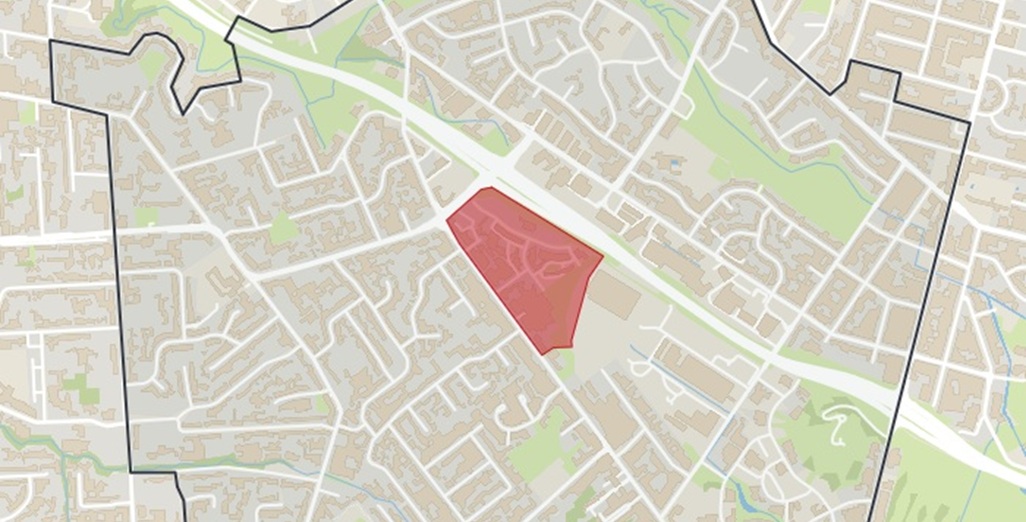
Response to fruit fly find in Mt Roskill continues
The recent detection of a Queensland fruit fly in Mt Roskill and the resulting biosecurity controls on fresh produce movement highlight the very real risk this pest poses to New Zealand’s horticulture sector.
CLASSIFIED