

Sign up here to subscribe to the Grower2grower Ezine. Every two weeks you will receive new articles, specific to the protected cropping industry, informing you of industry news and events straight to your inbox.
26
Feb 2018
Feb 2018
February, the weather bombs

February weather bombs
The weather has been extreme in recent weeks, hot, hotter and unbearable! And then rain, rain and more rain!! And to top it all of a few cyclones thrown in for good measure!! Hamilton has had over 280% more rainfall for the last month than average! Great for the Dairy Farmers but this possesses challenges for covered crop growers.
February Industry Scan:
Both powdery mildew and leaf mould have become an issue on different sites. White fly and thrips is about and reports of pshyllid damage are now filtering through. The issue I see is all of this has taken the attention away from what is most likely to suffer the most in these conditions, your root systems!

This leaf mould has been treated as you can see from the slight die back on the edges of the mould. But it is only holding it at bay and not eradicating it.
While it is totally understandable that growers are working tirelessly at the moment to keep up with not just all of the fungal and insect pressures but the extra plant work due to the growth rates that the root systems can be left untreated.
I would advise that it is extremely important that you look at the roots daily if not twice a day! Checking slab temperatures, EC and Ph monitoring and if you are able take slab water content level readings. If your roots are browning or looking tired then treat them but please contact an expert regarding what you treat them with in these current conditions. If you think you can wait then you could find that you will then have to use a product that is needed but could also make the plant take longer to recover. I am always in favour of a softer product at this time of year and even as a routine preventative.
High temperatures mean the irrigation water is warm and there is less oxygen. You will also find there is a tendency to over water in the current conditions. We are now into the last days of our official summer and the days are shortening. As my old consultant used to say “once the 14th of February is here you must start thinking winter irrigation strategies”. The days are still long but are decreasing and so must your irrigation stop times. You can stop some substrates earlier than others, and you might find that on some substrates you might need to do a correction by using a night shot.

You can just see the two small spots of powdery on this cucumber plant which has had 2 cucumbers picked of the main stem already. You might be able see it has been treated with a fungicide to prevent its spread. This grower is taking no chance and is a good example of being aware of the threat.
I would recommend if you are just planting that you treat your roots with either a biological or chemical fungicide to prevent damage from Pythium. NFT and DFT growers should monitor their water temperature, anything over 27 degrees will start being harmful to your roots and therefore weaken your plants.
If your roots are looking good and working well then, the plant can transpire efficiently, therefore keeping it self-cool and under less stress. The more stress the plant is under the more likely your plant will become weak and open to infection. There is a relationship between your fruit load and your plants health. You could consider reducing your fruit numbers no matter what you are growing. Cucumbers love the heat and could be an exception but only if they have a strong and powerful root system and are free of powdery mildew and insects!! Capsicums do like the heat but most crops will be coming to their final months so I would think preventing an old plant from getting root issues is still important.

The two highlighted areas show bent fruit. This crop had a good root system, with CF, PH and WC all good, so I predict that this was a case of Thrip damage
CLASSIFIED












Subscribe to our E-Zine
More
From This Category

March 10, 2026
Australia’s horticulture sector has delivered a year of record‑breaking performance
Highest production value to date of $18.4 billion, up 6% on the previous year.
March 10, 2026
Energy saving through screens
A combination of screen use, screen quality, greenhouse climate requirements, and greenhouse equipment.
March 10, 2026
Heating Uncertainty Leaves Greenhouse Growers Searching for Answers
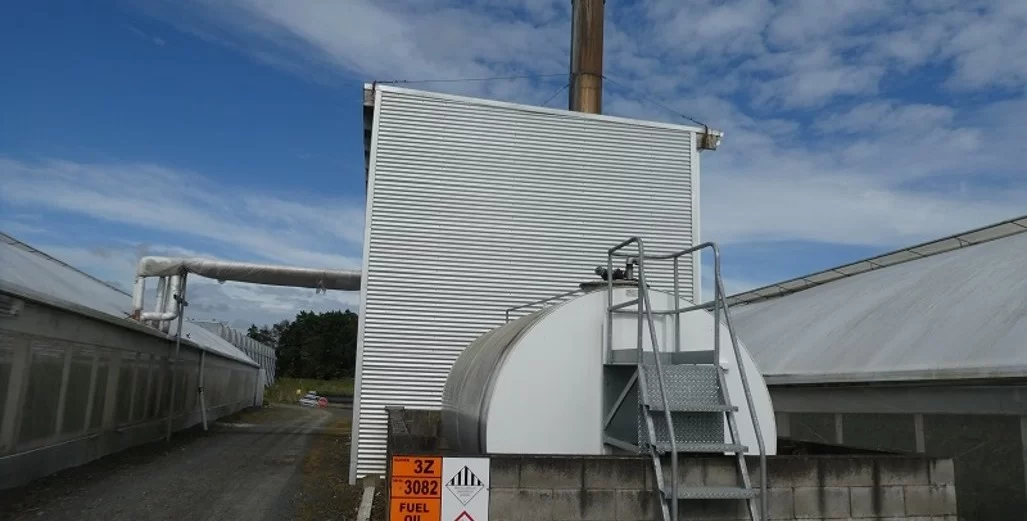
Waste oil supply changes force growers to reconsider long-term heating options ahead of winter. Two weeks ago I was alerted that one of the major recycled waste oil suppliers, based in the Auckland region, will soon stop supplying greenhouse growers. For one of my customers this came as a significant shock, particularly given that notice was given that deliveries will cease in the coming months –

February 10, 2026
MG Group partners with The Gut Foundation
Growing a healthier New Zealand together

January 27, 2026
Protected Cropping, Weather Extremes And Growth Potential
Extreme weather again highlights the role of protected cropping. During last week’s deluge across the North Island, significant damage is expected across many outdoor crops. Onions lying on the ground and attempting to dry will be particularly vulnerable, with prolonged saturation likely to result in quality losses and storage issues.
CLASSIFIED