
Sign up here to subscribe to the Grower2grower Ezine. Every two weeks you will receive new articles, specific to the protected cropping industry, informing you of industry news and events straight to your inbox.
27
Feb 2024
Feb 2024
Flexible Solar Panels Look Set to Disrupt the Industry
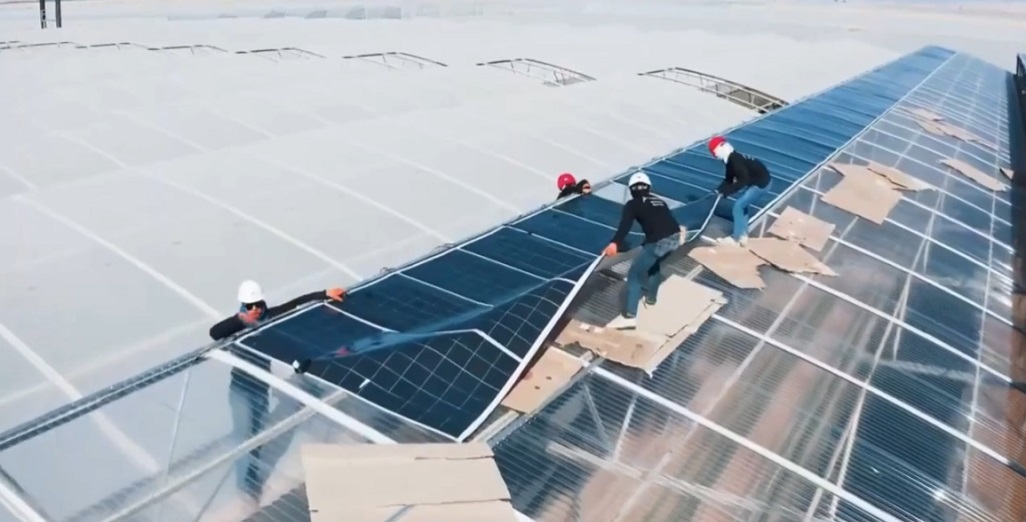
Startup Apollo Power has developed lightweight, flexible solar panels that can turn any surface including a car roof into a power-generating platform. Amazon, Volkswagen and Hyundai are already on board.
The roof of a sprawling Amazon logistics center in France will soon be blanketed with 5,000 square meters of lightweight, flexible solar panels from the Israeli company Apollo Power. Outside, a unique solar pavement by Apollo is already generating clean electricity to charge employees’ electric bikes and scooters.
Volkswagen Group placed a 33 million euro order with Apollo for 10 years’ worth of the flexible film to charge their new electric vans with sunshine.
“I have it on my own roof, and I think everyone will do this in the future,” says Apollo CEO and cofounder Oded Rozenburg. “Why put 2,000 kilograms on your roof when you can put only 350 kilograms on your roof?”
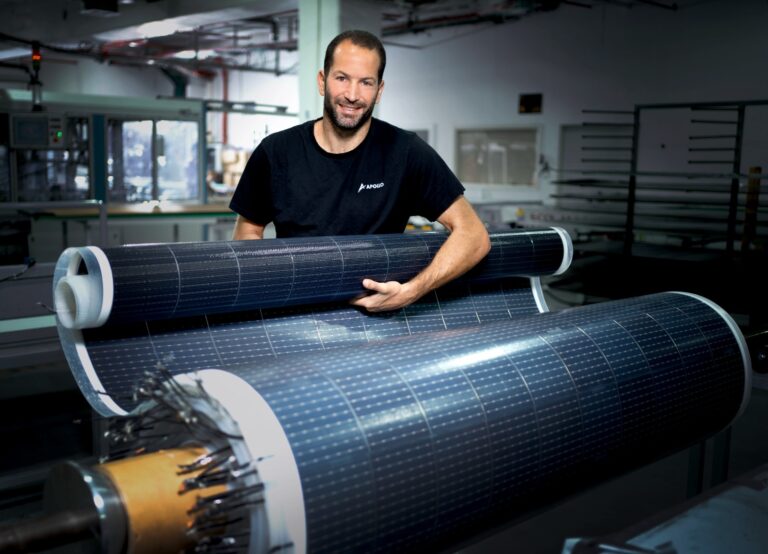
That simple equation convinced Rozenburg to join forces with Eran Maimon in 2013.
Maimon, an expert in solar energy, physics and mechanical engineering, had invented a photovoltaic paint during his studies at Tel Aviv University that eliminates the need to envelop silicon wafers in glass.
World-changing
“The problem is that the basic technology of solar cells is very thin silicon wafers. Silicon wafers are super fragile so you need to coat them with glass and the panels become heavy, expensive and limited to places that can hold the weight,” explains Rozenburg.
“The idea of flexible, lightweight panels collecting energy from the sun for free, I thought, is something that can change the world.”
It took several years to raise money and perfect the invention at the Technion-Israel Institute of Technology. In 2020, Apollo opened a small factory in Yokne’am and started to sell its solar film.
Today, with many customers and strategic partners under its belt, Apollo Power has built the biggest flexible solar panel factory in the world, in Israel’s Carmel region.
The fully automated 11,000-square-meter factory positions Apollo to serve the global market, now that the panels have received both UL (North America) and IEC (International Electrotechnical Commission) certification enabling them to connect to the electrical grid in many countries.
Article Source and to read more go to – Flexible solar panels look set to disrupt the industry – ISRAEL21c
CLASSIFIED















Photo
Gallery











Subscribe to our E-Zine
More
From This Category
March 10, 2026
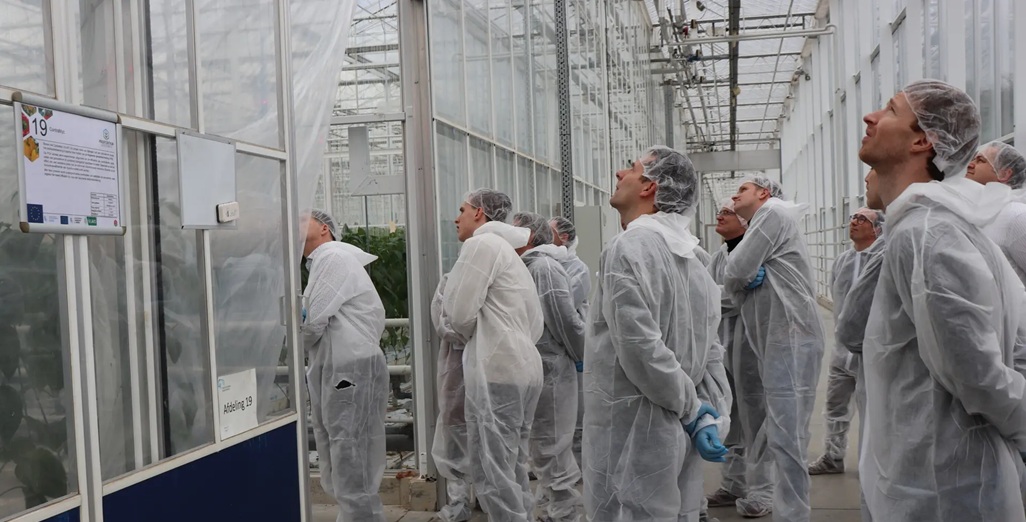
Energy saving through screens
A combination of screen use, screen quality, greenhouse climate requirements, and greenhouse equipment.
March 10, 2026
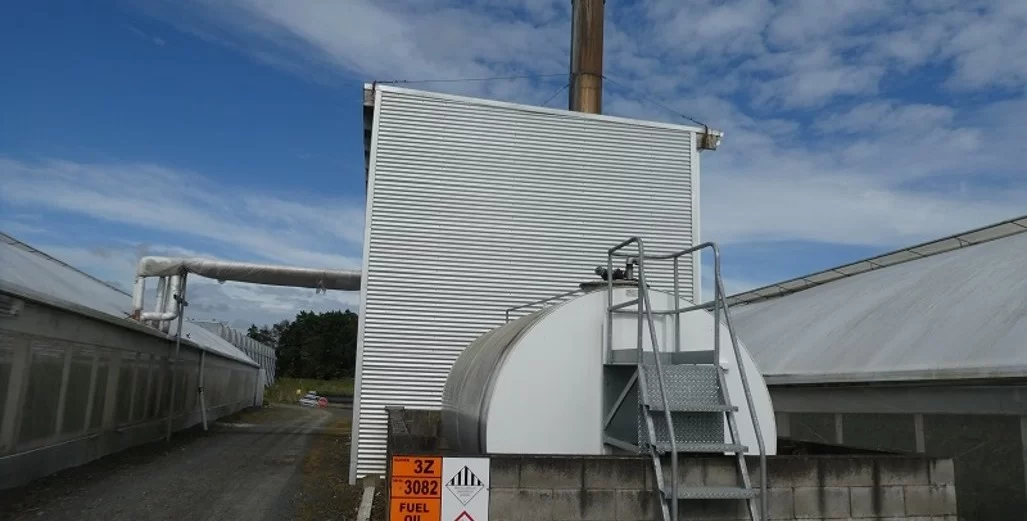
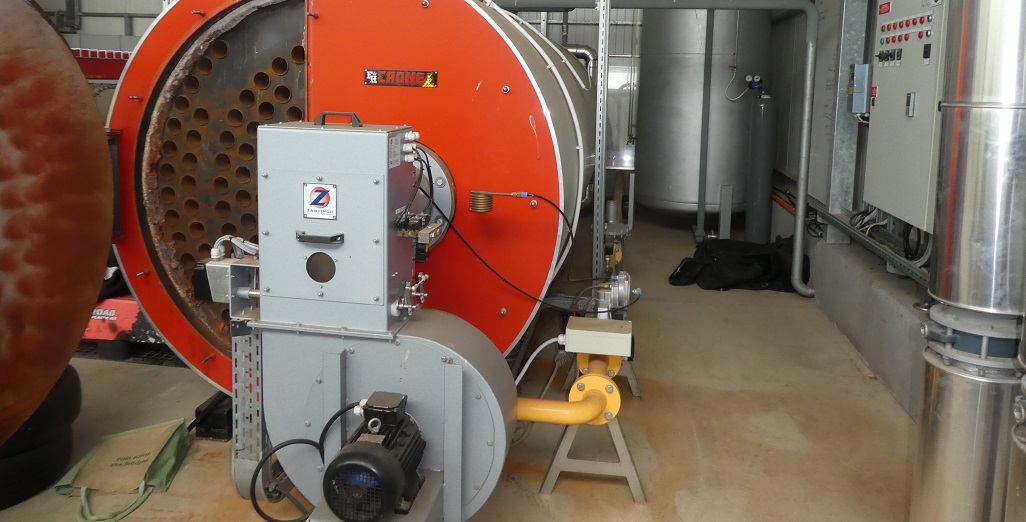
Heating Uncertainty Leaves Greenhouse Growers Searching for Answers
Waste oil supply changes force growers to reconsider long-term heating options ahead of winter. Two weeks ago I was alerted that one of the major recycled waste oil suppliers, based in the Auckland region, will soon stop supplying greenhouse growers. For one of my customers this came as a significant shock, particularly given that notice was given that deliveries will cease in the coming months –
February 23, 2026
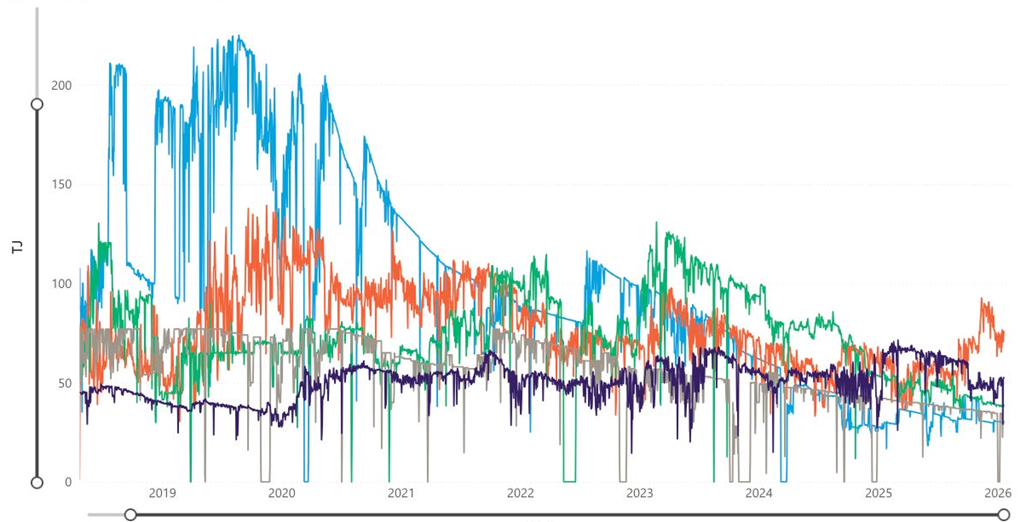
New Zealand’s 2026 Energy Stock-Take – Part 2 – Natural Gas
New Zealand’s Nord Stream moment. That sucking-straw sound at the bottom of the glass and suddenly a gaping hole emerges in the New Zealand energy landscape
December 29, 2025
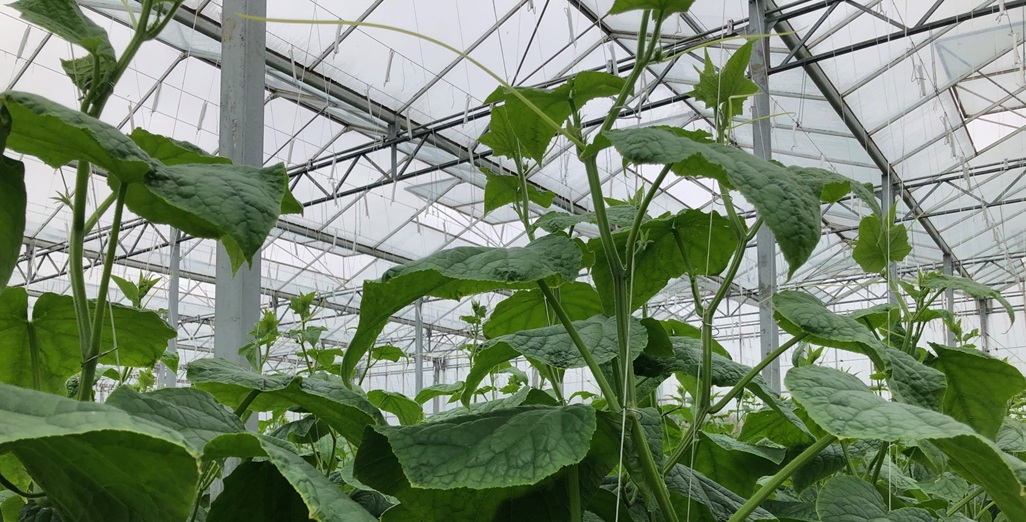
Best of 2025 – 79.2% decrease in Emission Trading Scheme (ETS) allocations for South Auckland Cucumber Grower
Chickens come home to roost for Greenhouse Growers
December 17, 2025
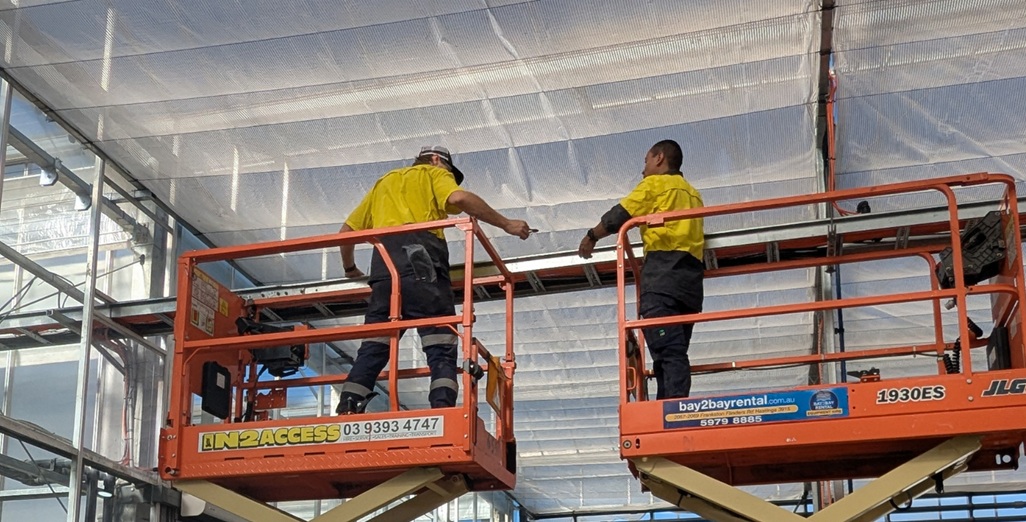
Ball Australia Boosts Climate Control with New Blackout Screen Upgrade
'Powerplants partnered with Ball Australia to deliver a full blackout screen replacement, supported by detailed mechanical, electrical, and irrigation work'
December 17, 2025
Why energy is now a strategic risk (2025 Grower2Grower overview of energy and looking forward)
What Tomato, Cucumber, Capsicum and Capsicum Growers Need to Know (And other heated greenhouse crops). Energy has shifted from a manageable operating cost to a strategic production risk for New Zealand’s protected-cropping sector. In 2025, growers are facing a convergence of structural changes that directly affect whether heat is available when it is needed, not just what it costs.
CLASSIFIED