

Sign up here to subscribe to the Grower2grower Ezine. Every two weeks you will receive new articles, specific to the protected cropping industry, informing you of industry news and events straight to your inbox.
17
Nov 2019
Nov 2019
Grower profile – Reupena and Eseta Kovati
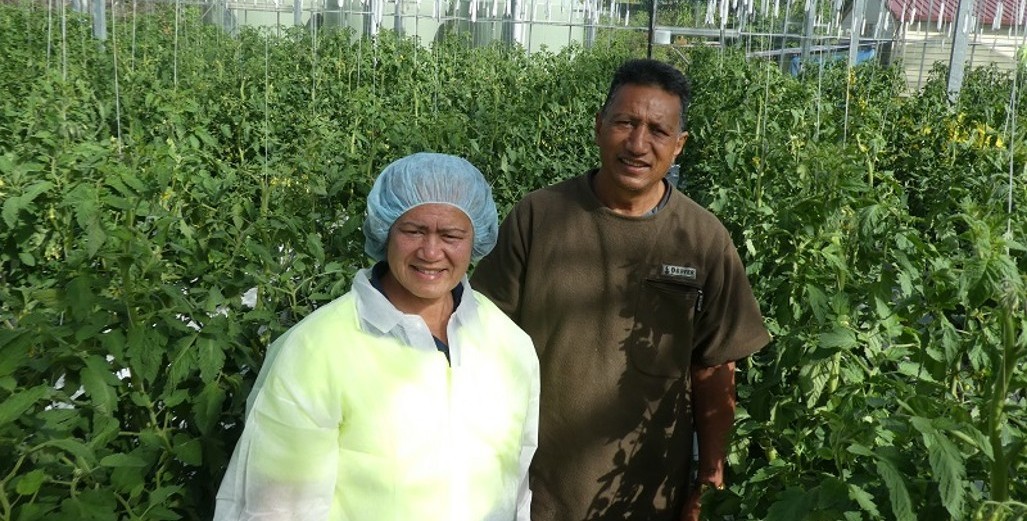
Tam Yam Gardens
Reupena and Eseta Kovati grow tomato and snow peas, they are based in Glenbrook, South Auckland. They have been growing tomatoes since 1985. Reupena is originally from Samoa where he was raised. He first came to New Zealand in 1974 and worked as at an apprentice at Zealandia Nurseries before returning to Samoa to work for the government’s agriculture department. After a few years he decided there was more opportunity in New Zealand, so returned and started work at Rainbow Park Nurseries in South Auckland.
In 1983 Reupena met Eseta, by the following year they were married and growing chrysanthemums and carnations on the lawn at the house they rented. Both Reupena and Eseta have come from horticulture families so it was no surprise growing would become their careers. In 1985 the pair leased their first 800 m2 greenhouse in Mangere where they started growing tomatoes. Reupena said it was either flowers or vegetables but thought at the time growing tomatoes posed less risk compared to growing flowers. The pair quickly purchased land in Kingseat that they soon resold to purchase a more suitable property for a greenhouse in Glenbrook in 1988, where they are still growing and reside currently.
An 800 m2 plastic, Faber greenhouse was constructed on the site and tomatoes were planted. At the same time a packing shed and bore were put in. Reupena, Eseta and their 4 children then lived in the packing shed until 1996 until a house was built on the property. Eseta said “you do what you can with what you have got”. Over the years of hard toil, the pair decided to build a new 1500 m2 Faber (now Apex) greenhouse on the site. This greenhouse is used for growing tomatoes from October to June. The plastic house is still used to grow snow peas from late March until November. They also grow beans.
The couple decided years ago not to compete with large, loose, round tomatoes and decided to grow specialty types. They have been growing Roma-type tomatoes in the glasshouse, which are very sought after by their customers. For the past 8 seasons they have been growing snow peas in the smaller plastic house. The decision to grow snow peas followed a truck accident which left Reupena with a broken leg.

The snow peas are spray free, in fact spraying is kept to an absolute minimum on this property. There is risk associated with this strategy, even as recently as last year, the crop of tomatoes was cut short due to psyllid yellow damage.
The couple love growing, you can see that in the way they grow and tend to their crops. However, like so many growers, they are becoming frustrated with what seems to be a never-ending list of new compliances to meet in order to grow fruit and vegetables. Reupena feels that it is becoming increasingly harder for smaller businesses to stay profitable, he hopes the government will provide incentives for small businesses.
Eseta and Reupena are close to retiring from growing, they hope in the near future to return to Samoa to set up a small protected growing operation where they can help teach growers how to use hydroponic systems and supply crops there to a higher standard.
Reupena and Eseta have four children, which they have raised on the family block in Glenbrook, they have worked tirelessly, wanting for nothing but to provide for their family. Reupena said to me “you reap what you sow” when I asked him about the hard work the pair have put in to get to this point. They are typical of the many New Zealand growers I meet. It was a pleasure to interview two long standing, devoted people to the industry.

A picture of the snow peas. I had some of these and trust me, taste AMAZING!
. 
The Roma- type tomatoes are flowering at the fourth truss so should be available before Christmas for their customers.

Cover photo above.
I appreciate your comments. Please feel free to comment on the grower2grower Facebook page:
https://www.facebook.com/StefanGrower2grower/
Article Written and compiled by Stefan Vogrincic, Consultant, Grower2Grower
Article Edited by Marie Vogrincic, Editor, Grower2Grower
CLASSIFIED












Subscribe to our E-Zine
More
From This Category

February 10, 2026
MG Group partners with The Gut Foundation
Growing a healthier New Zealand together
January 27, 2026
Protected Cropping, Weather Extremes And Growth Potential
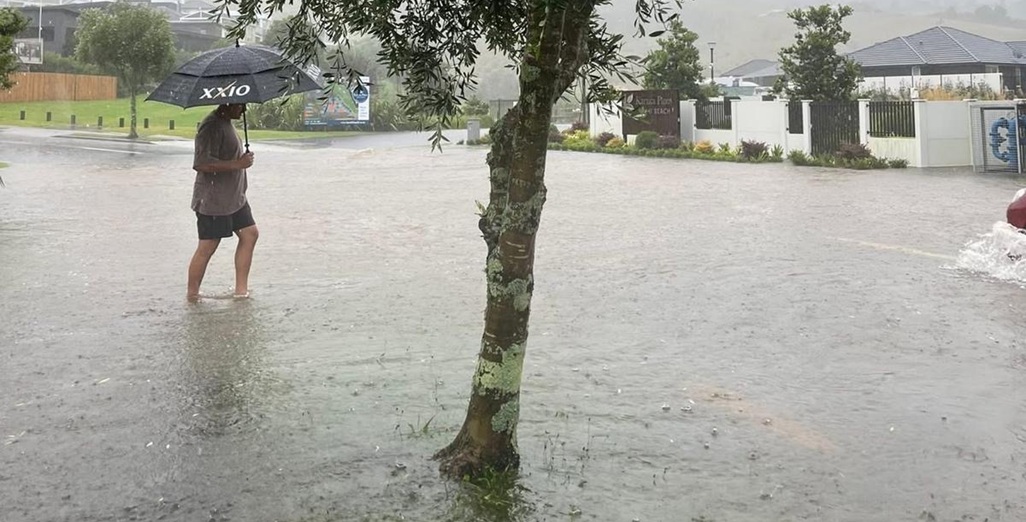
Extreme weather again highlights the role of protected cropping. During last week’s deluge across the North Island, significant damage is expected across many outdoor crops. Onions lying on the ground and attempting to dry will be particularly vulnerable, with prolonged saturation likely to result in quality losses and storage issues.
January 27, 2026
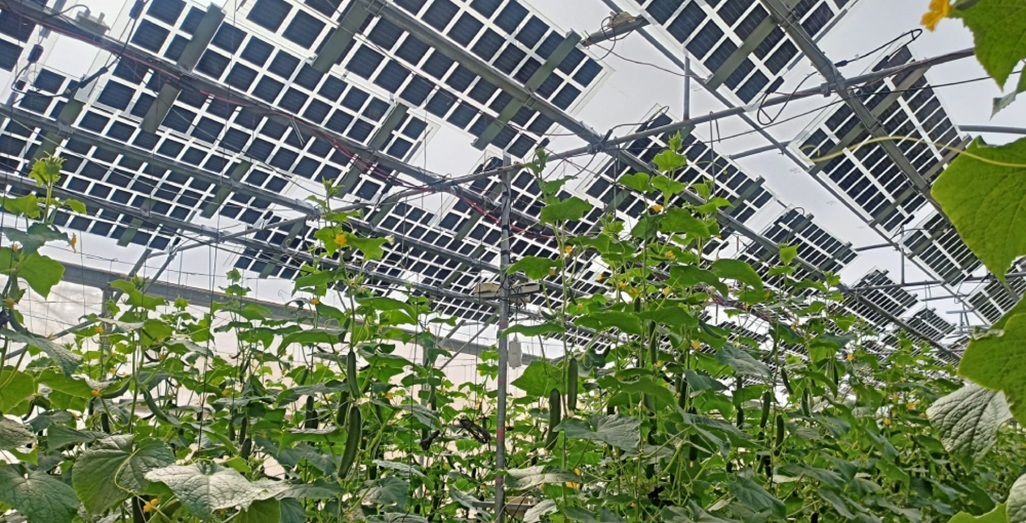
Agrivoltaics in Greenhouses Turning Sunlight into Energy and Crops
The EU is rapidly increasing its renewable energy targets, with solar power playing a central role in achieving these goals
January 12, 2026
Response to fruit fly find in Mt Roskill continues
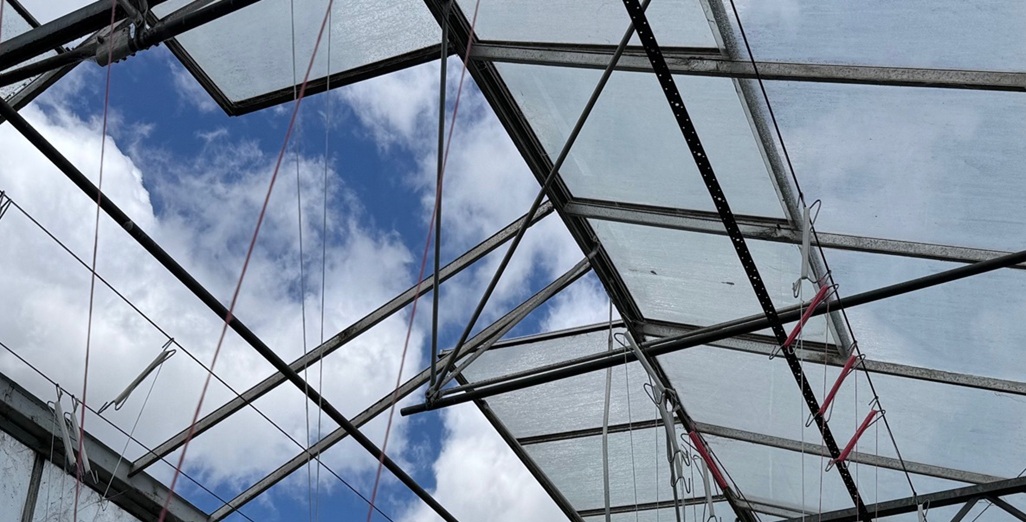
The recent detection of a Queensland fruit fly in Mt Roskill and the resulting biosecurity controls on fresh produce movement highlight the very real risk this pest poses to New Zealand’s horticulture sector.
CLASSIFIED