

Sign up here to subscribe to the Grower2grower Ezine. Every two weeks you will receive new articles, specific to the protected cropping industry, informing you of industry news and events straight to your inbox.
3
Jun 2025
Jun 2025
Growing kiwis and cherries from a greenhouse in Westland (Netherlands)

International article of the week – Learning how to grow successfully with Advice from New Zealand!
Source: Hortdaily
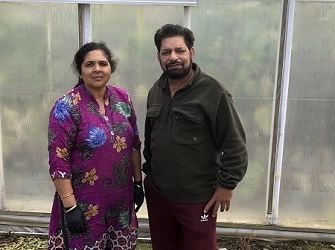
Last Saturday, René and Gerda Arkesteijn harvested their first batch of greenhouse cherries in Kwintsheul. Previously, they grew ornamental plants like amaryllis, but they stopped due to the Dutch energy crisis. What began as a simple hobby quickly expanded, says René, and their 9,000-square-meter greenhouse is now filled with kiwis and cherries. “Last year, we didn’t have many cherries, but this year, we have a lot more. People who bought cherries from us last year are already coming back for more.”
For greenhouse cherries, home sales work very well, say the Westland growers, who also supply cherries to BoereGoed. In Kwintsheul, they cultivate 11 different varieties, each offering a unique flavor. The main types they grow are Areko, Sweet Areana, and Prim3.1. “People often stop when they see our cherries,” they say. “Cherries are very popular, and they’re easy to snack on straight from the container while driving.”
Both the cherries and kiwis are cultivated on trees. Therefore, it takes 7 years for the trees to be in full production. The kiwi trees in the greenhouse in Kwintsheul, René obtained from Italy after he stopped an amaryllis grower. The choice fell on the green type Actinidia Deliciosa Harward. “I already had two kiwi trees in my flower garden. When I was in Italy anyway, I took more trees than I had initially planned under the motto ‘since we’re here’, laughs René.
Both cherries and kiwis are grown on trees, which means it takes about 7 years for the trees to reach full production. After René stopped growing amaryllis, he acquired kiwi trees from Italy for their greenhouse in Kwintsheul. They chose the green variety, Actinidia Deliciosa Harward. “I already had two kiwi trees in my flower garden,” René says. “While in Italy, I decided to bring back more trees than I originally intended,” he laughs.
Unique with greenhouse-grown kiwis
Last winter, they harvested their first kiwis, which were available from December to early February on Kwintlaan in Kwintsheul. Selling directly to locals helps them gauge demand. “We’re figuring out our own approach with the kiwis.” Back in 2023, René and Gerda visited New Zealand in order to learn more about Kiwi cultivation in a nation that is pivotal in the kiwi market. This aided the growers tremendously, as the feedback from the first harvest has been positive.
Read more: Growing kiwis and cherries from a greenhouse in Westland
Source – Hortdaily
For more information:
Kers en Kiwi
kersenkiwi@gmail.com
www.kersenkiwi.nl
CLASSIFIED

















Photo
Gallery






Subscribe to our E-Zine
More
From This Category
March 10, 2026
Australia’s horticulture sector has delivered a year of record‑breaking performance
Highest production value to date of $18.4 billion, up 6% on the previous year.
March 10, 2026
Energy saving through screens
A combination of screen use, screen quality, greenhouse climate requirements, and greenhouse equipment.
March 10, 2026
Heating Uncertainty Leaves Greenhouse Growers Searching for Answers
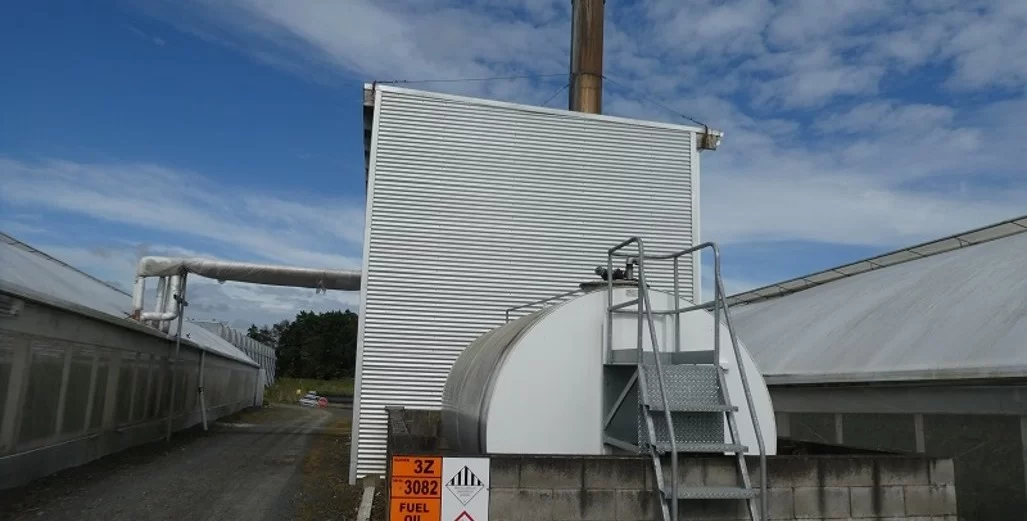
Waste oil supply changes force growers to reconsider long-term heating options ahead of winter. Two weeks ago I was alerted that one of the major recycled waste oil suppliers, based in the Auckland region, will soon stop supplying greenhouse growers. For one of my customers this came as a significant shock, particularly given that notice was given that deliveries will cease in the coming months –

February 10, 2026
MG Group partners with The Gut Foundation
Growing a healthier New Zealand together

January 27, 2026
Protected Cropping, Weather Extremes And Growth Potential
Extreme weather again highlights the role of protected cropping. During last week’s deluge across the North Island, significant damage is expected across many outdoor crops. Onions lying on the ground and attempting to dry will be particularly vulnerable, with prolonged saturation likely to result in quality losses and storage issues.
CLASSIFIED