
Sign up here to subscribe to the Grower2grower Ezine. Every two weeks you will receive new articles, specific to the protected cropping industry, informing you of industry news and events straight to your inbox.
14
Aug 2018
Aug 2018
Hans van Veen, learning to grow with LED’s

Head Grower, Tomatoes, Gourmet Mokai
At last weeks open day at Gourmet Mokai, head tomato grower Hans van Veen presentation focused on the hurdles he has had to overcome growing tomatoes using supplementary LED’ lighting. The presentation was an insight to how the ‘mind set’ of the grower has to change and how he has had to acquire new techniques and skills to maximise the potential of using LED’s. LED lighting has been installed at Gourmet Mokai site to improve winter production and provide continuity of supply to the market.

Growing Techniques Hans has had to adjust to:
- Irrigation: Irrigation is normally triggered via the collection of accumulated light sum from the outside weather station, (or solar trigger) so there has been a need to change to irrigate on slab water content setpoints. As the lights are turned on at midnight in the middle of winter you need to irrigate like you would during a normal day. It is difficult to calculate the accumulated light sum, so a new technique is being used. The approach has been to install Grodan Grosens and have them integrated with the environmental computer. Hans now has the option to irrigate on water content targets he wants to achieve. The plants are almost determining its own need for refreshment! Irrigation from weigh scales could also be a possibility if set up correctly, and for growers in coir substrates it would be an alternative option. You could irrigate on time but it is not accurate enough. The LED’s are generally on most days depending on the strength of the outside light levels, which again makes irrigation of solar trigger to inaccurate.
- Turning the LED's on and off: The two installations of top lighting and inter-lighting have different strength micro-mol. The top light has 125 µmol/m²/s and the inter-light 75 µmol/m²/s. Each installation will turn off at different outside calculated light intensities. The top light will turn off at 350 watts and the inter-light at 450 watts. Currently the lights are set to be available for 16 hours a day. It is anticipated they could be used for up to 18 hours day for tomatoes.
- Vegetative-Generative Balance: When you look at the stems you can see that the plants have at times been too strong, it has been a challenge to keep the plants generative. Truss quality is affected if plants are not kept in balance. Having more light has increased the vigour of the plants, so it is very important to keep focused on burning the extra plant energy and putting it either into the fruit or increased growth. Stem density is a factor and understanding the best planting density with the amount of light achievable is important.
- Labour: Hans noted that during the winter period it is generally a time the staff worked ‘under less pressure’ but with the LED’s staff have had to get used to working in summer conditions all year round.
- Insects: Under LED’s the bumble bees will not navigate sufficiently, so automatic bee hive openers/shutters are used, so that when the LED’s are switched on late at night the bees cannot leave the hives until the natural light comes in the morning. White fly is hard to manage as the extra temperature allows them to breed as they would in a normal summer, therefore more control options are required.
- Disease:Small amounts of leaf mould has been detected and botrytis especially by the door where the temperature can fluctuate.
- Heating pipes: With LED inter-lighting (giving small amount of heat/radiation) and the minimum grow pipe temperature high, to keep the fruit and the leaf area warm, the pipe rail heating system on the ground was turned off, however this created a health and safety issue as the pipes condensate and became slippery, a minimum pipe was re-introduced on the pipe rail.
- Temperature on Dark Days: Giving more heat input on a dark day is still something Hans is trying to adjust to.
It has been a fast learning curve, Hans said "there is still an awful lot to learn”. So far, he gives the LED’s the big thumbs up and is very positive about them. I am sure we will here more about them in the future.
I appreciate your comments. Please feel free to comment below or on the grower2grower Facebook page:
https://www.facebook.com/StefanGrower2grower/
Article Written by Stefan Vogrincic, Consultant, Grower2Grower
CLASSIFIED





Subscribe to our E-Zine
More
From This Category
October 19, 2026
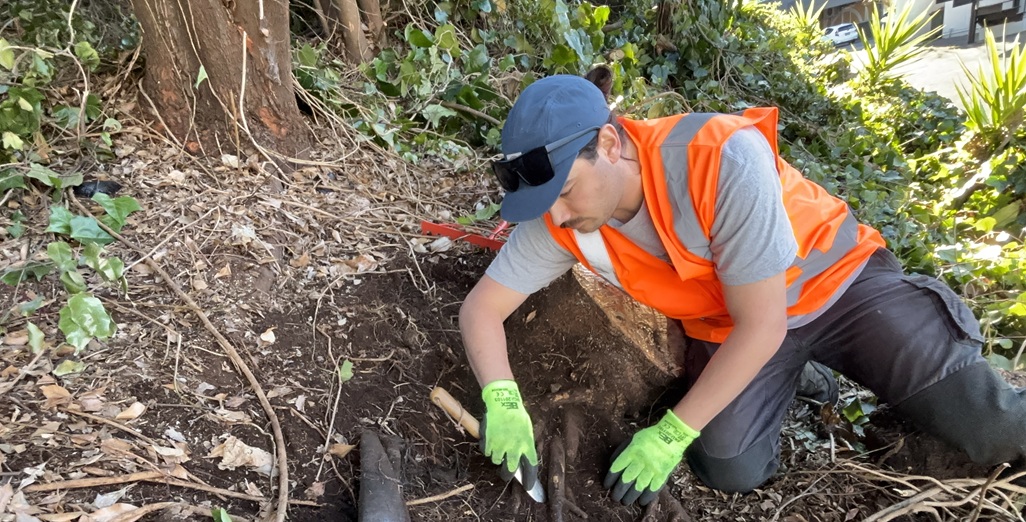
Dane’s deep-rooted passion for conservation
Young Horticulturist of the Year finalist Dane Sales is fervent about looking after native trees – and he wants to educate others.
October 19, 2026
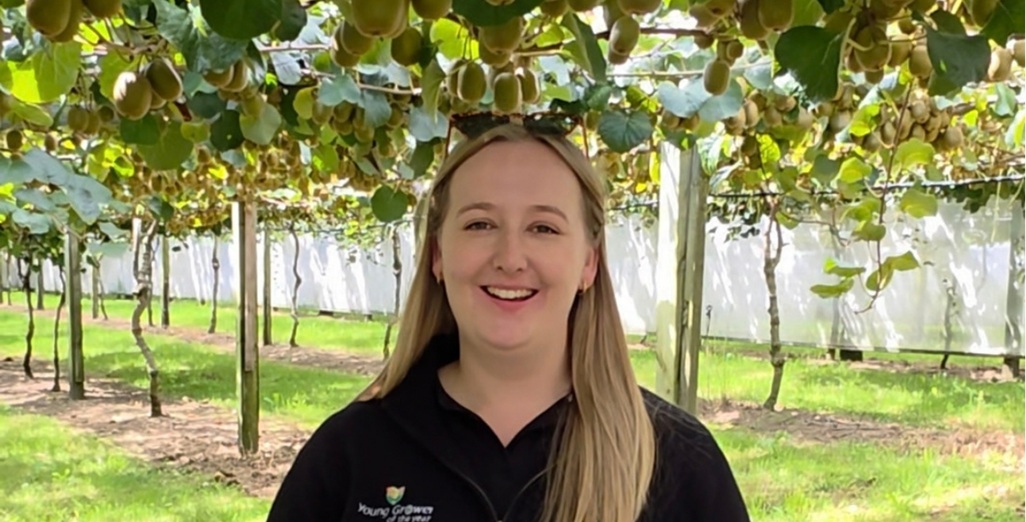
Phoebe Scherer is the first to point out the irony – she is an award-winning kiwifruit grower but she isn’t an orchardist
Instead the 30-year-old helps hundreds of other growers improve kiwifruit yield and quality, skills she hopes will set her apart when she competes in this year’s Young Horticulturist of the Year.
October 6, 2026
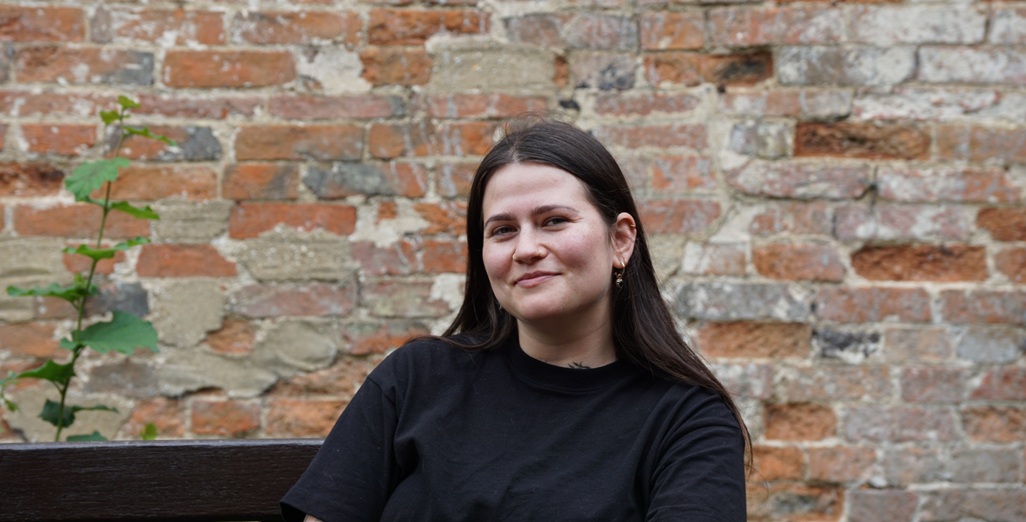
Meg wears her work on her sleeve
Meg Spittal sees horticulture as an art form, so much so that many of the tattoos she has inked are species – both wildlife and plant form.
October 5, 2026
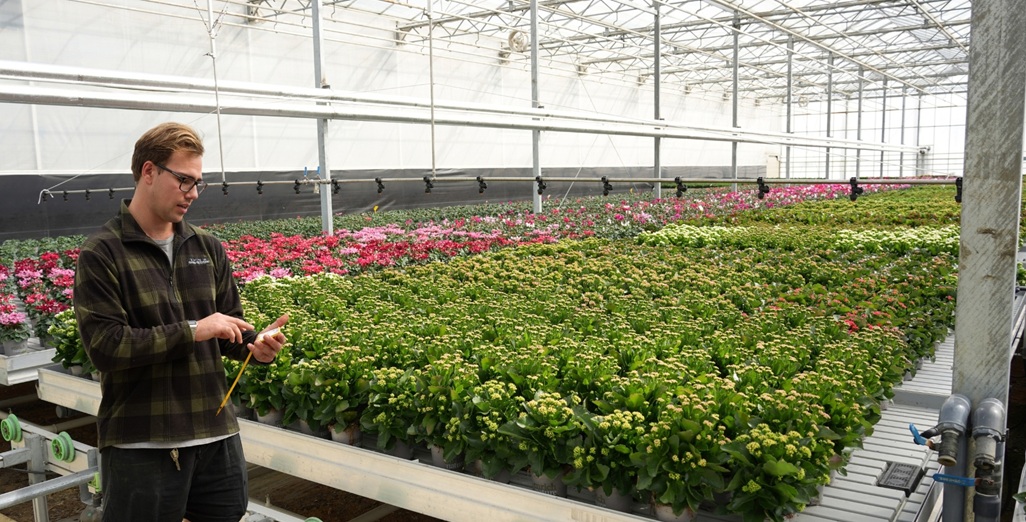
No opportunity wasted for plant producer
Clayton Hart is an opportunist – he is always on the hunt for ways to grow and develop his career as a plant producer. So much so, that every job he has had, came from opening doors, not responding to job vacancies.
Ten years in the horticulture industry is the result of equal measures of tenacity and skill for the Auckland 27-year-old who will compete in this year’s Young Horticulturist of the Year competition in November.
October 5, 2026
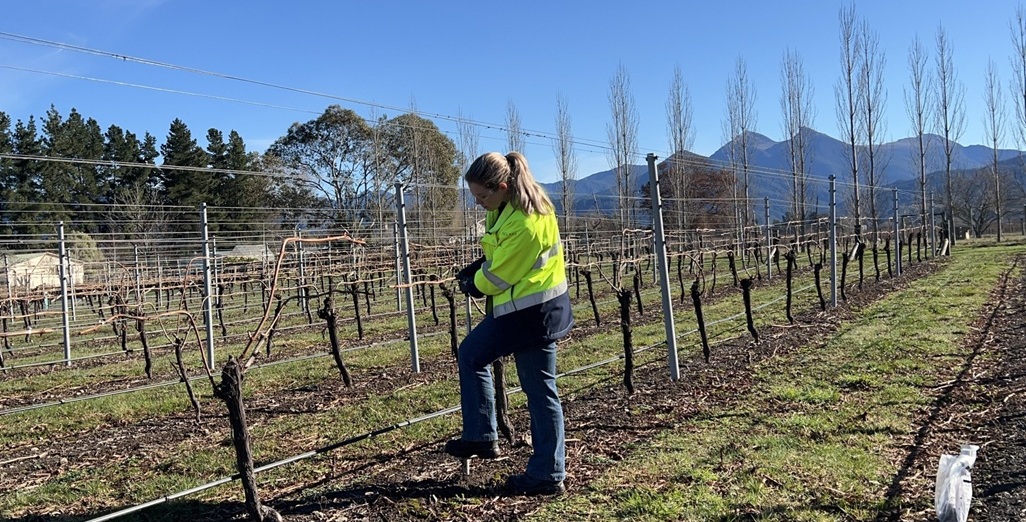
Viticulturist’s thirst for knowledge started at seven
Anna Kelland was more than a decade away from being legally able to drink when she declared she wanted to be a winemaker when she grew up.
December 29, 2025
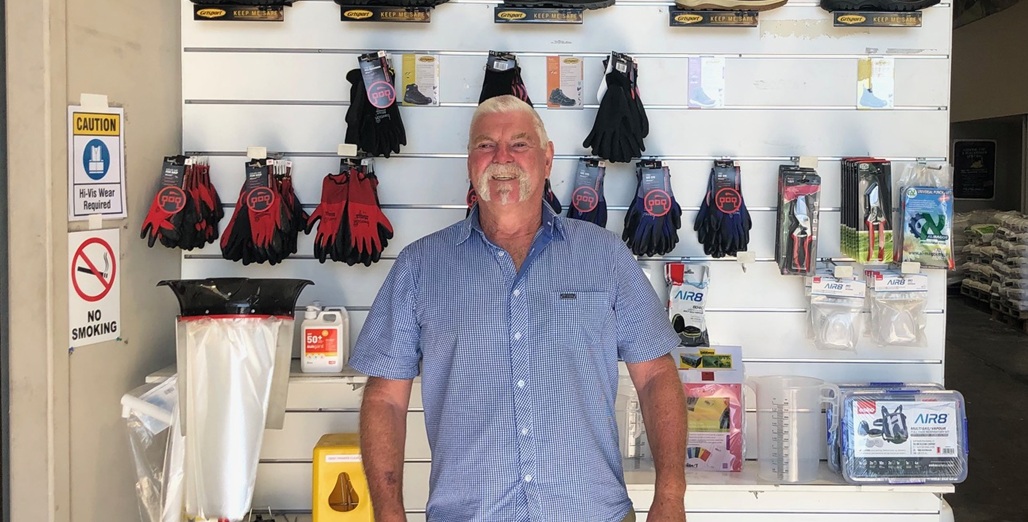
Best of 2025 – Wally van de Westerlo nearing retirement
After thirty-three years of loyal service Wally van de Westerlo is nearing retirement from Horticentre (originally Veg Gro) Drury branch. He will be missed by all the greenhouse growers he has helped over the years.
CLASSIFIED