

Sign up here to subscribe to the Grower2grower Ezine. Every two weeks you will receive new articles, specific to the protected cropping industry, informing you of industry news and events straight to your inbox.
5
Oct 2026
Oct 2026
No opportunity wasted for plant producer
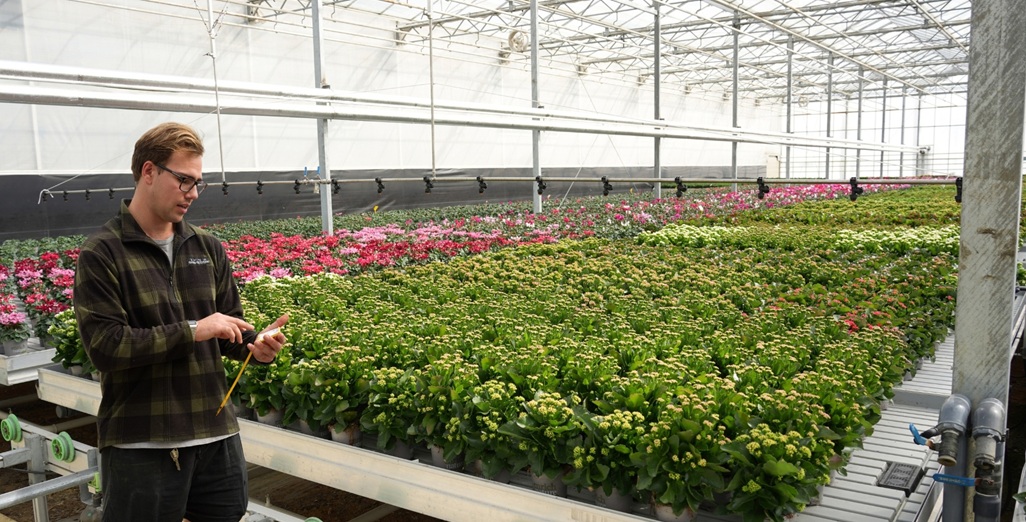
Clayton Hart is an opportunist – he is always on the hunt for ways to grow and develop his career as a plant producer.
So much so, that every job he has had, came from opening doors, not responding to job vacancies.
Ten years in the horticulture industry is the result of equal measures of tenacity and skill for the Auckland 27-year-old who will compete in this year’s Young Horticulturist of the Year competition in November.
“I’ve still made CVs and sent emails, but I’ve been happy to call people up, and rely on connections,” he says.
Horticulture piqued Clayton’s interest at a careers day at high school, gravitating towards the horticulture representatives “because they were all super friendly and passionate”. One of them offered him a job at T&G (Turners & Growers) in the tomato glass houses and he worked there on summer holidays.
“I thought ‘this is pretty cool’. It was a high-tech controlled growing environment and I was really keen on that. But it felt like if I wanted to get to the next level that I should go to university and expand my knowledge.”
Halfway through a three-year degree, he realised the course wasn’t what he thought it was going to be.
“I was unsure about the path my degree was taking me on, I felt my degree was pulling me more towards an office job consisting of data analysis and cashflow forecasts rather than being out there growing the plants.
“I got really into native plants, and the lecturers were super passionate. That hooked me. I just got really enthusiastic about natives.”
“Then I was looking for a summer Job, my mum had a connection to a legendary local nurseryman who said he would take me on.”
Three months there cemented what direction Clayton wanted to go. He completed a Bachelor of Agri Science at Massey University in Palmerston North, majoring in horticulture, and “just fell into a job down in Palmerston North at a native plant nursery belonging to a friend of my previous employer”, a position he held for two years.
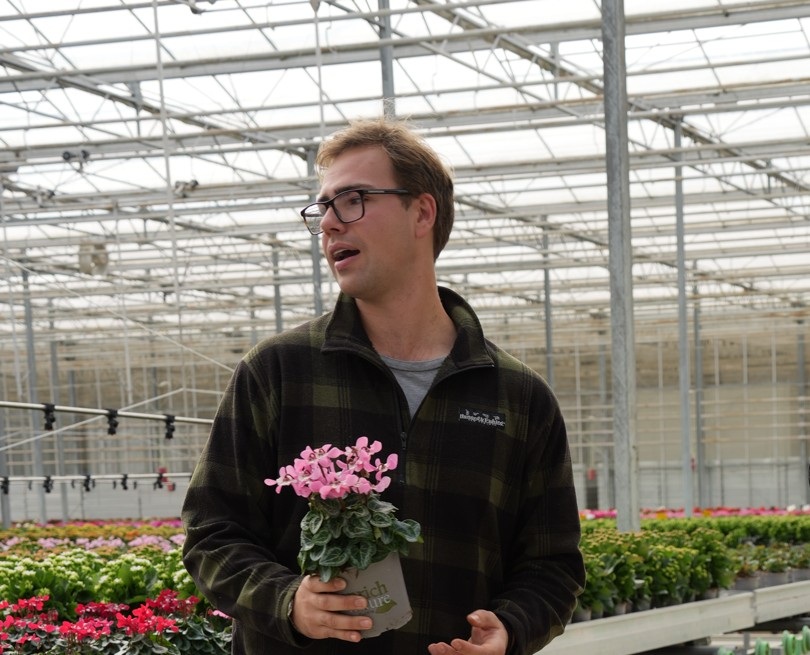
Connections helped his move back to Auckland, after his high school sweetheart was promoted and relocated back there three years ago.
“Rainbow Park Nursery is 10 minutes from my parents’ place. I had met their propagation manager at the IPPS Conference. I called up the owner and asked for a job, he flew me up to Auckland to have an interview.”
Clayton started as glasshouse supervisor – checking the irrigation, monitoring for pests and disease, overseeing the growing of the plants from potting, and making sure the teams had what they needed so things ran smoothly.
“After the first 18 months I expressed that I wanted to continue to grow my skills and be challenged, Our current prop manager was preparing for retirement after 30 years. When I was offered a position to help fill his boots, I couldn’t say no.
“That was on the opposite side of where I was – this was creating the plants before they got potted.
“When I came from the two native plant nurseries, going to Rainbow Park, was a massive change, learning all new plants and systems. There’s a lot of new breeding and research – especially what’s happening in Europe and North America. We import those genetics, so we’re growing things that the best nurseries are growing worldwide,” he enthuses.
Clayton hopes to join the family-run company’s management on their bi-annual trip to Europe to meet with breeders and attend a large-scale international trade show. And not surprisingly, he hopes to make the most of international connections.
“I would love to visit some professors I’ve met at IPPS from American universities like Florida and Michigan, to learn and see what they’ve got going on.”
He loves his role, highlighting there is now so much to learn with automation: “There’s a new glass house that has some pretty cool stuff in it – instead of fixed mist emitters, there’s a moving boom. It’s all controlled, environment growing. A computer system monitors the environment and makes decisions on how to regulate the temperature and the humidity and shading based on sensors.
“Different crops in different stages need different types of light at different intensities. You’re always fine-tuning things, especially in propagation.”
He estimates around 70 percent of what they grow is for big store contracts, a fast-paced growth cycle works backwards to ensure timed orders.
As well as pouring his free time into work around his newly-purchased house, the Young Plant Producer of the Year is preparing to compete in a series of technical, practical, business and leadership challenges, with four others across the wider horticulture sector as part of the Young Hort competition.
Now in its 21st year, it is run by the Royal New Zealand Institute of Horticulture Education Trust (RNZIH Ed Trust), with the support of official sponsors Woolworths, T&G Fresh and Fruitfed Supplies, to showcase the industry’s most promising young professionals and helps them develop the skills, knowledge and leadership needed to shape the sector’s future.
Grand Final Awards Dinner
Celebrating the achievements of the 2026 finalists across the horticultural industry.
https://www.younghort.co.nz/young-horticulturist-of-the-year
CLASSIFIED


















Photo
Gallery




Subscribe to our E-Zine
More
From This Category
October 6, 2026
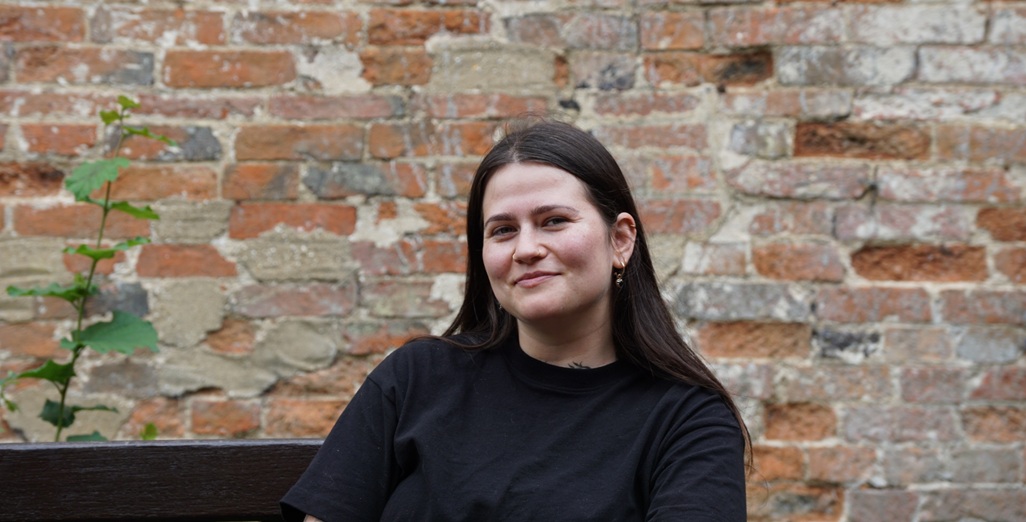
Meg wears her work on her sleeve
Meg Spittal sees horticulture as an art form, so much so that many of the tattoos she has inked are species – both wildlife and plant form.
October 5, 2026
No opportunity wasted for plant producer
Clayton Hart is an opportunist – he is always on the hunt for ways to grow and develop his career as a plant producer. So much so, that every job he has had, came from opening doors, not responding to job vacancies.
Ten years in the horticulture industry is the result of equal measures of tenacity and skill for the Auckland 27-year-old who will compete in this year’s Young Horticulturist of the Year competition in November.
October 5, 2026
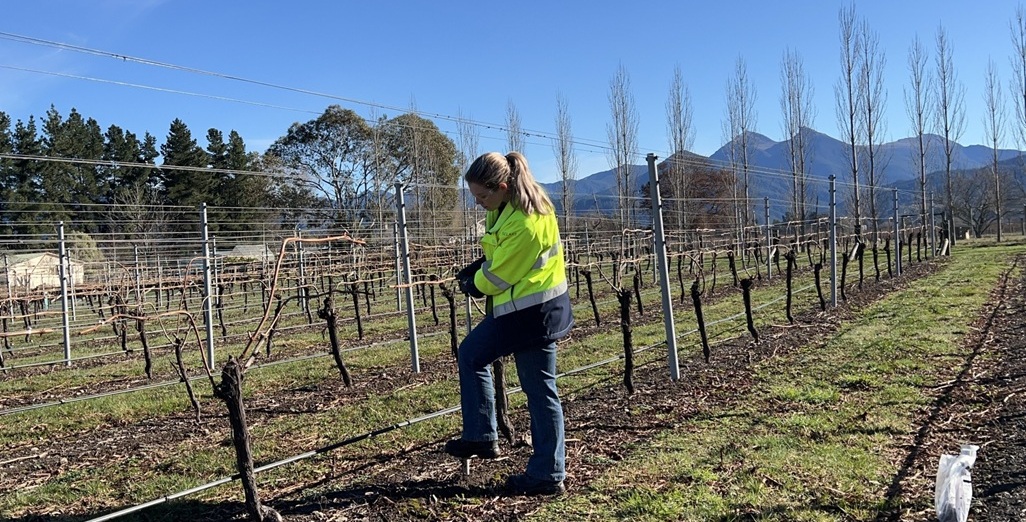
Viticulturist’s thirst for knowledge started at seven
Anna Kelland was more than a decade away from being legally able to drink when she declared she wanted to be a winemaker when she grew up.
December 29, 2025
Best of 2025 – Wally van de Westerlo nearing retirement
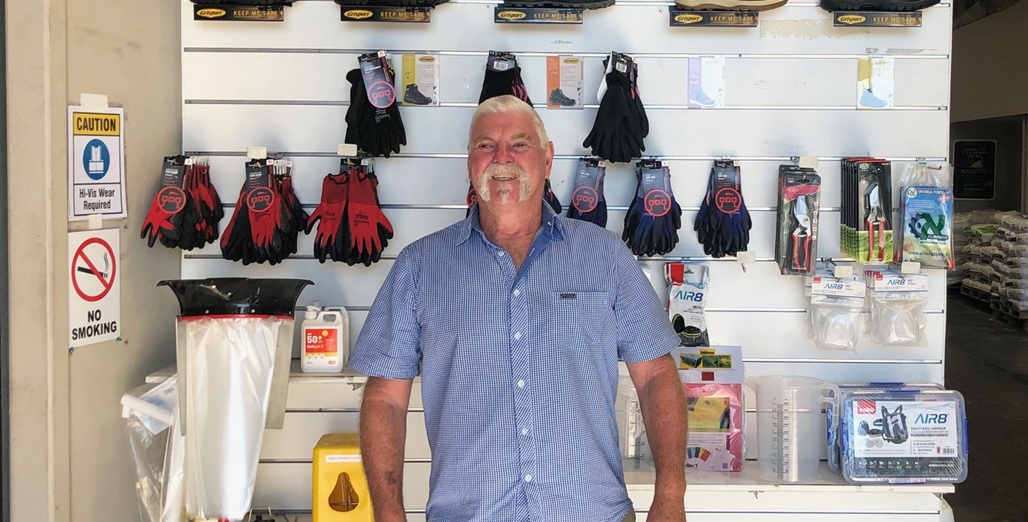
After thirty-three years of loyal service Wally van de Westerlo is nearing retirement from Horticentre (originally Veg Gro) Drury branch. He will be missed by all the greenhouse growers he has helped over the years.
March 10, 2025
Wally van de Westerlo nearing retirement
After thirty-three years of loyal service Wally van de Westerlo is nearing retirement from Horticentre (originally Veg Gro) Drury branch. He will be missed by all the greenhouse growers he has helped over the years.
February 25, 2025
Sales training & coaching – Helping teams improve conversions & build better customer relationships
Growing Profitably and Sustainably
CLASSIFIED