

Sign up here to subscribe to the Grower2grower Ezine. Every two weeks you will receive new articles, specific to the protected cropping industry, informing you of industry news and events straight to your inbox.
22
Oct 2024
Oct 2024
Have you prepared for summer production?
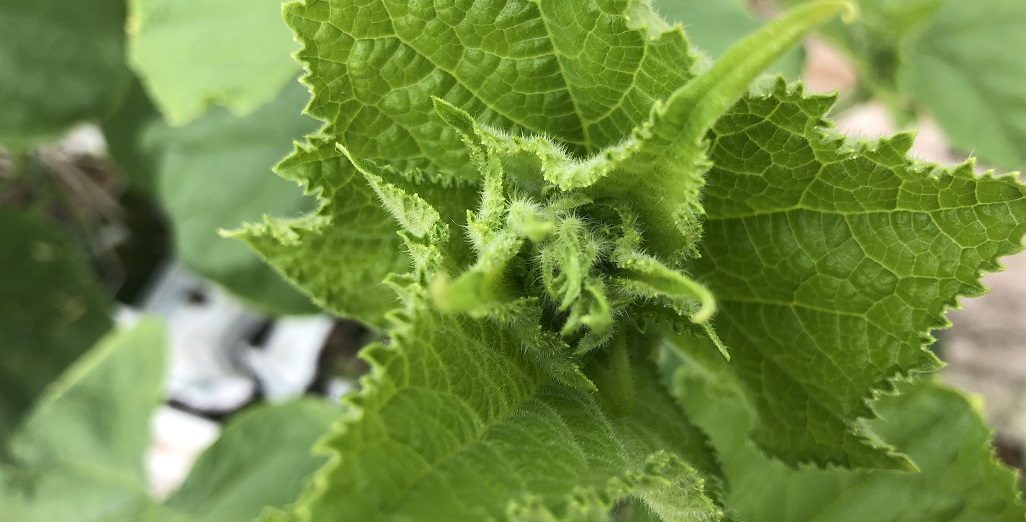
Light levels rose sharply last week
By Stefan Vogrincic
This week crop reports from both the North and South Island have shown a sharp increase in light levels.
Predicting spring weather will always be near on impossible. However, we are able to rely on the fact the day length will increase no matter what, and if we do receive cloud free days plant growth will change rapidly.
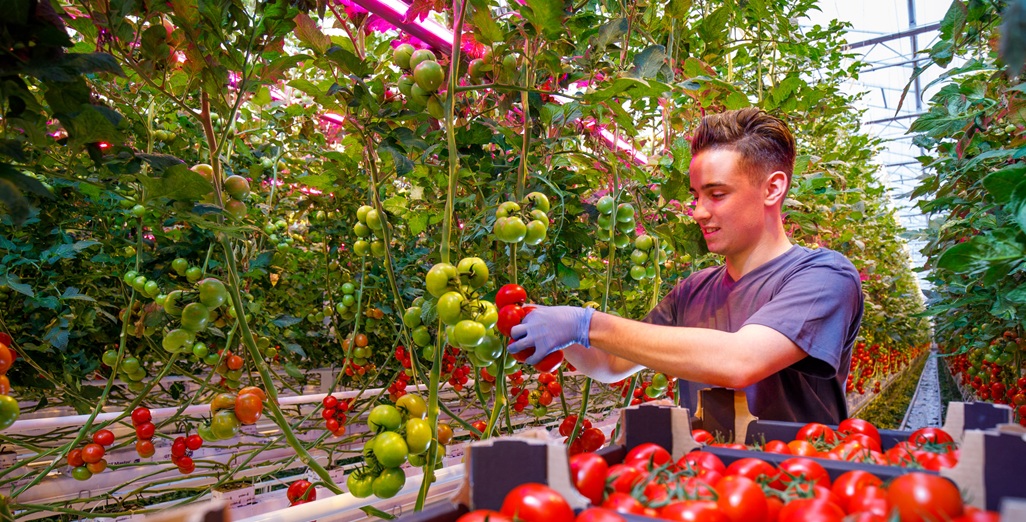
For tomato crops you should be at summer density, regardless of whether you are growing cherry, cocktail or large truss. Large truss, depending on the crop cycle and location, should be at or nearing harvest from the additional side shoots taken in July/August.
For cocktail trusses, I prefer to take the additional side shoots in two stages, one in late winter and one in September. If you do not have enough density, when the spring sun shines, you will struggle to add the additional fruits per m2 you require quick enough. If the weather does not play nicely, you have the option to prune harder on those additional side shoots. However, if you don’t have the extra shoots already flowering you will be behind the eight-ball at this time of the year.
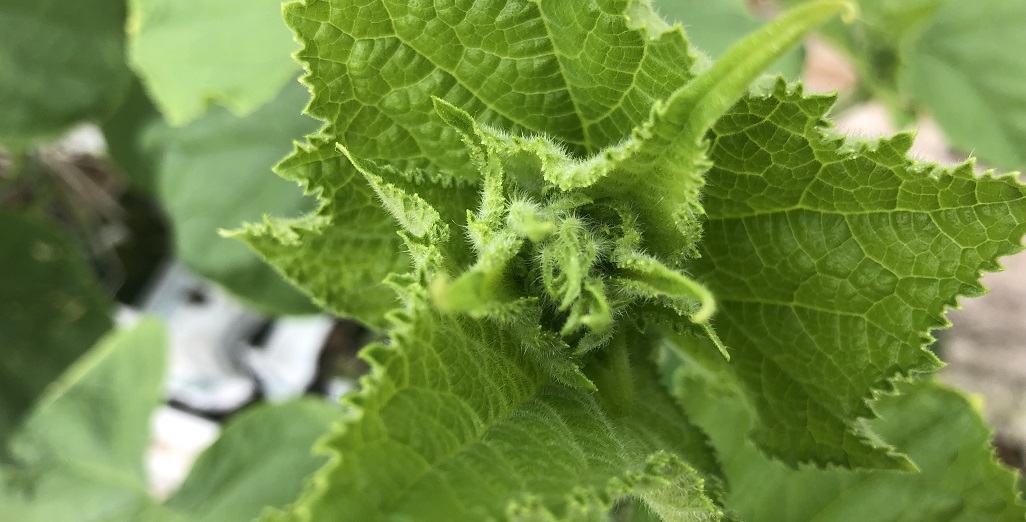
Cucumbers, for me is all about speed. Growers may still be pruning – one on and one off, which is prudent with such changeable weather – you have to manipulate the speed of the plant using your temperature settings to maximise this ‘speed’ of growth. A good example this week on a visit noticing a 2000+ joule day followed up by a cool night. In the perfect case scenario, I would’ve increased the night time temperature to maximise growth. Unfortunately, due to high energy prices and poor returns some heating has been turned down to provide minimal heat input.
In this scenario I would not increase fruit numbers because light levels are so unstable, the grower will need to accept they are not getting the ultimate speed of production or potential from that particular scenario.
Key for the next month for tomatoes:
Truss prune to summer density – you can always remove flowers but not add them!
Please – still heat correctly as you do not want vegetative plants or fat stems that will cause you issues in Autumn. Ambient night time temperatures are like a yoyo!
For advice contact stefan@grower2grower.co.nz
CLASSIFIED



















Photo
Gallery








Subscribe to our E-Zine
More
From This Category
June 15, 2026
Winter Bites
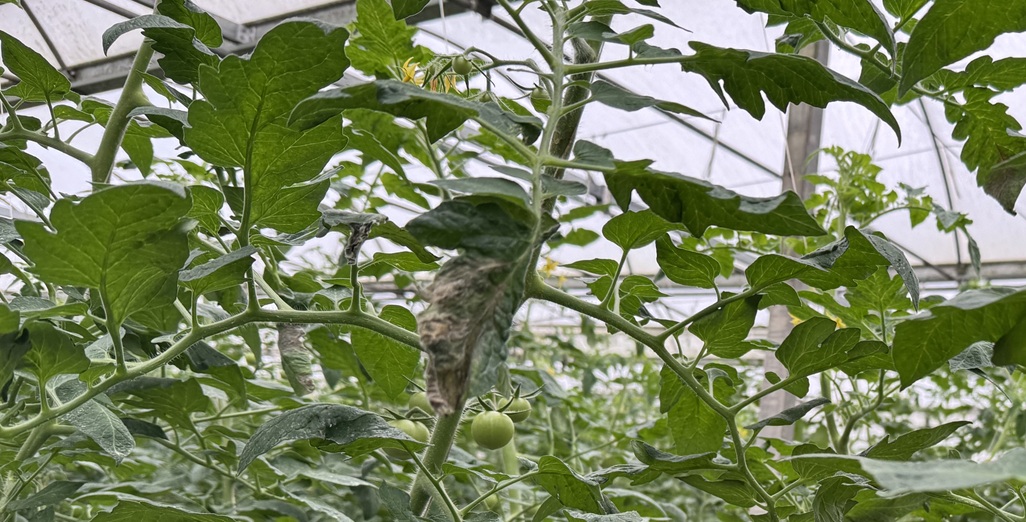
Low Light, High Disease Pressure and the Importance of Keeping Crops Generative. Winter is often the period that determines whether a crop finishes profitably or simply survives until spring. The next three months will test growers' ability to manage light, energy, disease pressure and plant balance more than any other time of the year. As light levels decline and cold, wet weather becomes more frequent, we begin to see the typical winter challenges emerge. Across a number of sites I have already noticed the first signs of Botrytis and blight appearing. Once conditions favour these diseases, they rarely move backwards without intervention.
June 15, 2026
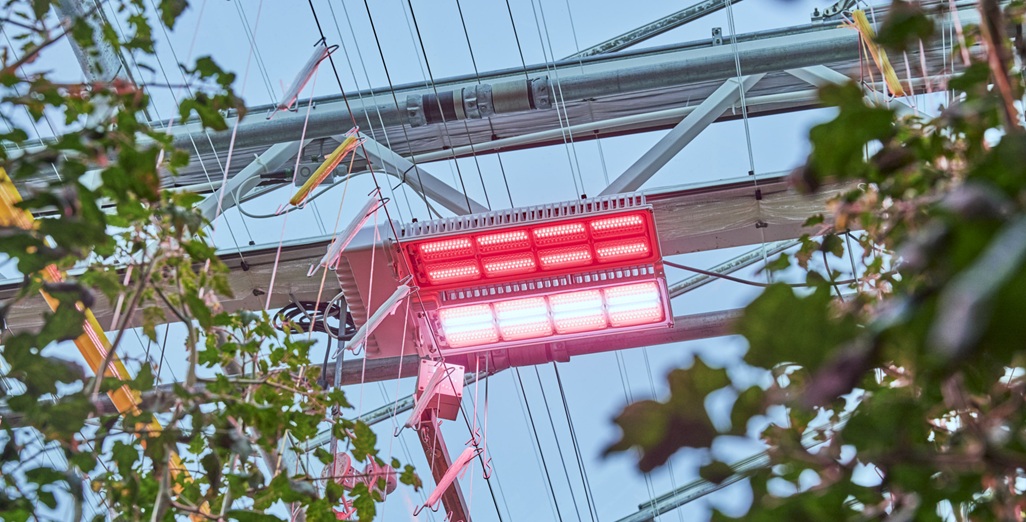
Signify expands Philips GreenPower LED toplighting force portfolio with tailored solutions for today’s diverse grower strategies
New Performance and Elite versions empower growers to optimize either upfront investment or long-term operational efficiency—without compromising on Philips quality

June 1, 2026
Signify: Developing next-generation cultivation systems that shorten growing cycles while maintaining consistent crop quality
Signify boosts crop productivity and cost competitiveness at Yonam University smart farming hub with intelligent Philips LED lighting
June 1, 2026
Ground-Source Heating: Lessons from a Leading UK Greenhouse Operation
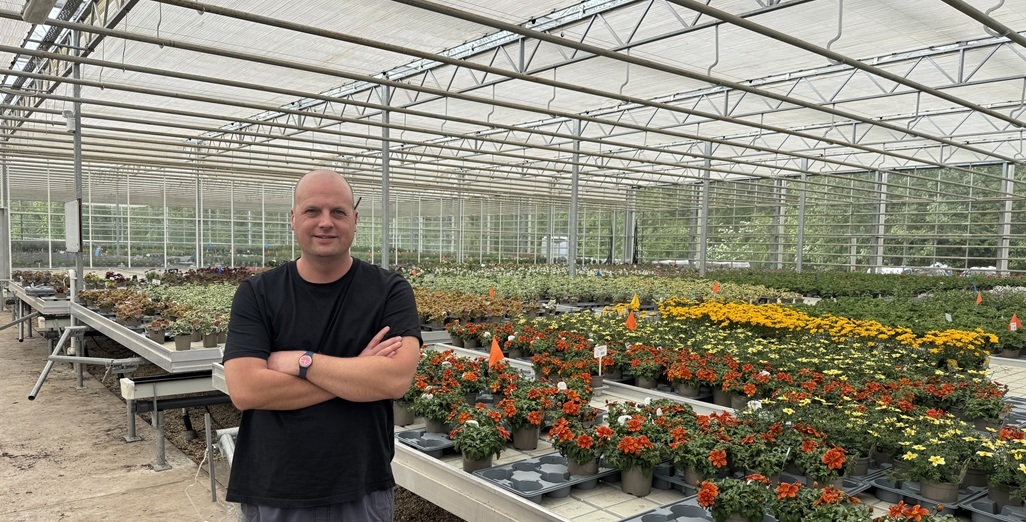
An in-depth look at the ground-source heat pump system heating Stewarts Garden Centre in England and the opportunities this technology may offer commercial greenhouse growers in New Zealand. "Energy costs in the UK are currently extremely high compared with New Zealand. During discussions on site, electricity pricing was described as sitting around 22 pence per kWh, which converts to approximately NZ$0.50 per kWh. Considering those energy prices, the efficiency of the heating system was particularly impressive".
May 19, 2026
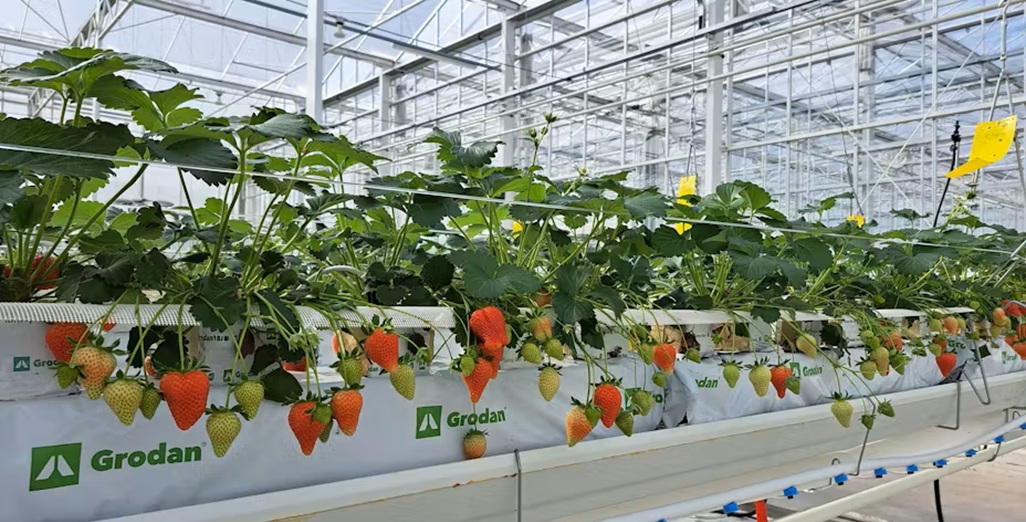
Demystifying stone wool for strawberry cultivation
“Stone wool can make it easier for growers to face some of the current challenges”
May 5, 2026
Turn sunshine into synergy and unlock higher yields year-round
How LED intercanopy lighting complements high radiation and transforms greenhouse production
CLASSIFIED