

Sign up here to subscribe to the Grower2grower Ezine. Every two weeks you will receive new articles, specific to the protected cropping industry, informing you of industry news and events straight to your inbox.
27
Mar 2018
Mar 2018
Hygiene

First time table strawberry grower asks the question
Last week I received a few questions regarding an article I posted news/post/nz-has-the-know-how-/ from strawberry growers. One question was from a grower who is in their first year growing on gutters, I presume in a greenhouse. It was a great question and I am more than happy to answer any questions I receive.
The question was: We are strawberry growers, growing in Coir bags on galv tables, and are between crops and would like to ensure our site is clean before we introduce the next crop. Do you recommend particular products/ procedures that work best in cleaning the tables, floor, drippers and hydroponics, and then a sanitiser? It's the first year we are going through this procedure, and we don't want to carry over any disease into the next crop, although there were no major issues with the last crop.
When I cleaned out my greenhouse, between crops, some may say it was over the top, but I have always been cautious of carrying over diseases or pests to new crops. Growing a crop for 50 weeks is a long time and growers who do clean and sanitise properly will have less risk. An example for tomato growers is bacterial canker which if they unfortunately become infected then if not eradicated properly will come back with vengeance. Agrobacterium or Crazy Roots, is possibly even harder to eliminate without thorough sanitization. For cucumber growers it may be Downy Mildew and for capsicum growers it may be pests like thrips.
Procedures for strawberries may or may not need to be as vigilant as mine but here is what I would do and I am more than happy to receive feedback.
- Remove all of the previous crop organic matter (dispose well away from the production area)
- Remove all of the old grow bags and any remaining substrate (dispose well away from the production area)
- Either waterblast or use high pressure hose to remove loose debris from the gutters, irrigation lines and floors.
- Run a sanitiser though the irrigation system, make sure you flush this with plain water once the recommended time for disinfection has occurred. ALWAYS flush well before any new substrate is placed back into your production site. I have known of growers that did not flush lines correctly, which unfortunately killed the new crop.
- Spray and sanitise the gutters. In this case the grower has Galvanised Gutters so I would ask my supplier for a non-corrosive sanitiser if they have one available. Usually I would suggest hydrogen peroxide, sodium hypochlorite or Virkon. Formalin was a product I used as it is known to be effective against bacteria and fungi but after a near death experience when I was young and stupid (my dad saved me) I decided to use the other options above.
Cleaning products:
As mentioned above there are many different sanitisers and cleaning products available. There are new and improved products being developed. One I always speak highly of is Huwasan. This is a hydrogen peroxide-based product stabilised with silver. It can also be dosed continuously during the entire cultivation phase recommend PPM (parts per million) and then used in-between crops at a much higher PPM to thoroughly clean or sanitise your system.
Cleaning should be at minimum an annual routine; I highly recommend every grower correctly sanitises between crop cycles. For cucumber growers unless they have high pressure from fungal issues then they will generally sanitise once a year or between every 3rd or 4th planting. For growers who are starting to grow crops in greenhouses for the first time, think about what you are going to grow on because this will need cleaning. The equipment you are growing on will need to tolerate the cleaning products you require.

I appreciate your comments. Please feel free to comment on the grower2grower Facebook page:
https://www.facebook.com/StefanGrower2grower/
Article Written and compiled by Stefan Vogrincic, Consultant, Grower2Grower
Article Edited by Marie Vogrincic, Editor, Grower2Grower
CLASSIFIED












Subscribe to our E-Zine
More
From This Category
March 10, 2026
Australia’s horticulture sector has delivered a year of record‑breaking performance
Highest production value to date of $18.4 billion, up 6% on the previous year.
March 10, 2026
Energy saving through screens
A combination of screen use, screen quality, greenhouse climate requirements, and greenhouse equipment.
March 10, 2026
Heating Uncertainty Leaves Greenhouse Growers Searching for Answers
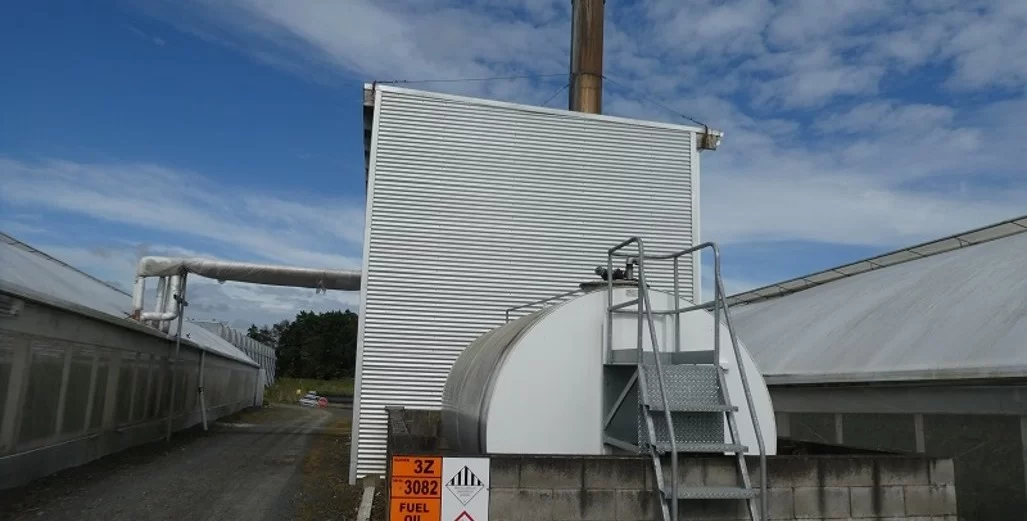
Waste oil supply changes force growers to reconsider long-term heating options ahead of winter. Two weeks ago I was alerted that one of the major recycled waste oil suppliers, based in the Auckland region, will soon stop supplying greenhouse growers. For one of my customers this came as a significant shock, particularly given that notice was given that deliveries will cease in the coming months –

February 10, 2026
MG Group partners with The Gut Foundation
Growing a healthier New Zealand together

January 27, 2026
Protected Cropping, Weather Extremes And Growth Potential
Extreme weather again highlights the role of protected cropping. During last week’s deluge across the North Island, significant damage is expected across many outdoor crops. Onions lying on the ground and attempting to dry will be particularly vulnerable, with prolonged saturation likely to result in quality losses and storage issues.
CLASSIFIED