

Sign up here to subscribe to the Grower2grower Ezine. Every two weeks you will receive new articles, specific to the protected cropping industry, informing you of industry news and events straight to your inbox.
12
Apr 2022
Apr 2022
Impacts from rising costs on small to medium sized growers
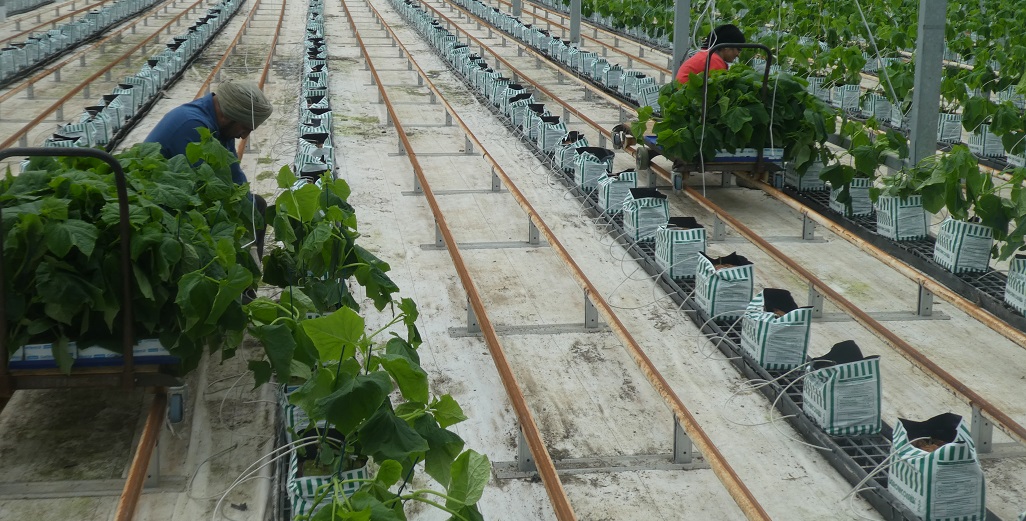
Are fixed contracts a possibility?
Opinion
Recent increases in cost of consumables and labour are placing businesses under pressure. Prices have been, overall, better for greenhouse growers this summer, but on average, over the past two years, returns have been marginal.
Efficiencies:
For smaller growers, the challenge of becoming “more efficient” is difficult as many have suitable systems. The smaller grower may be left with little choice but to employ less and do more work themselves unless they can achieve higher returns for their products.
Smaller growers lack buying power, they pay more for their utilities and consumables; I speak from experience as I paid more than companies that could bulk purchase, it is just part of doing business. Smaller growers will always be on the back-foot, but I know that they are extremely important to our food supply and for creating competition. Smaller sized operations have an advantage they can concentrate on specific categories or niche products.
What options are there in the market?
Supplying the wholesale/spot market can have its benefits but it also comes with the lowest returns if the market is saturated. The larger growers, not to be seen as the problem, should be seen as the solution and smaller growers should consider modelling their operations on the larger operators. The larger operations have been excellent in supplying certain amounts of their product at fixed contract rates to different sectors. In many cases they have their own marketing teams. They know what they are going to produce each month and, with a fair amount of confidence I predict they will generally meet supply obligations.
The disadvantage for the larger operators is when they have to grow several different varieties in one greenhouse compartment. All varieties grow slightly differently and can require different inputs so ideally every variety should be grown in its own specific compartment weather that be tomatoes or cucumbers.
I have seen, first hand, several smaller growers that have excellent relationships with the companies that market their product. Several have been able to achieve sufficient returns by planning their crops with their distributors. My suggestion is talk to your distributors/marketers and find out if there is any opportunity to secure a fixed supply contract. As a grower, if you have a predictable planting plan you will know each month approximately what you can produce. There are issues that may come up from time to time but if you are a good grower then you should be able to predict your future production with a fair amount of confidence.
For the twenty years I was growing commercially I was aligned with some excellent larger growers/businesses that gave my business certainty and predictability. Partnerships are key.
Article written and compiled by Stefan Vogrincic
All Article’s checked and edited by Marie Vogrincic
I appreciate your comments. Please feel free to comment on the grower2grower Facebook page:
https://www.facebook.com/StefanGrower2grower/
CLASSIFIED

















Photo
Gallery




Subscribe to our E-Zine
More
From This Category

February 10, 2026
MG Group partners with The Gut Foundation
Growing a healthier New Zealand together

January 27, 2026
Protected Cropping, Weather Extremes And Growth Potential
Extreme weather again highlights the role of protected cropping. During last week’s deluge across the North Island, significant damage is expected across many outdoor crops. Onions lying on the ground and attempting to dry will be particularly vulnerable, with prolonged saturation likely to result in quality losses and storage issues.
January 27, 2026
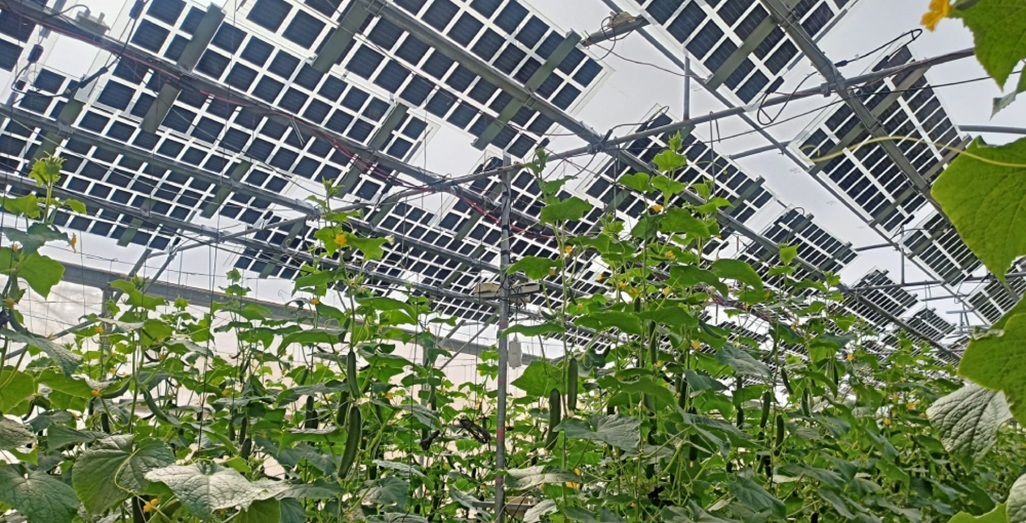
Agrivoltaics in Greenhouses Turning Sunlight into Energy and Crops
The EU is rapidly increasing its renewable energy targets, with solar power playing a central role in achieving these goals
January 12, 2026
Response to fruit fly find in Mt Roskill continues
The recent detection of a Queensland fruit fly in Mt Roskill and the resulting biosecurity controls on fresh produce movement highlight the very real risk this pest poses to New Zealand’s horticulture sector.
CLASSIFIED