
Sign up here to subscribe to the Grower2grower Ezine. Every two weeks you will receive new articles, specific to the protected cropping industry, informing you of industry news and events straight to your inbox.
5
May 2026
May 2026
Increasing cash: why extra height makes the difference for return and future
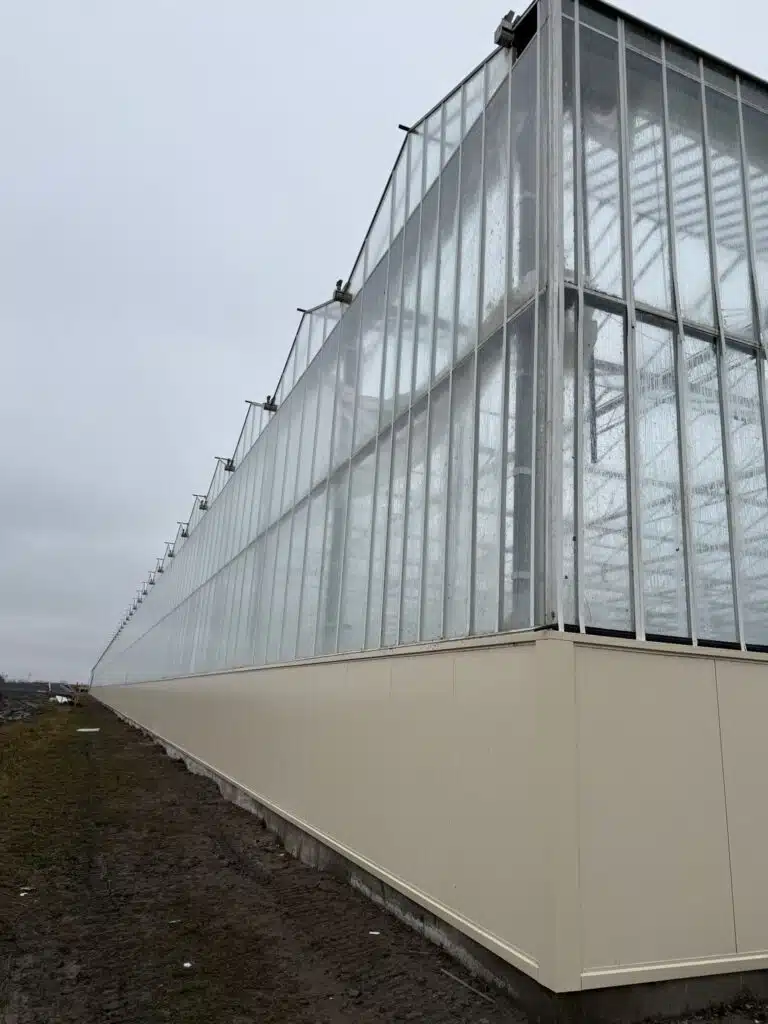
Raising a greenhouse is not a stopgap measure, but rather a strategic choice:
The greenhouse horticulture industry never stands still. Cultivation methods are becoming more intensive, installations more advanced, and climate control requirements increasingly stringent. Many greenhouses still function excellently technically, but run into one clear limitation: height. In that case, raising a greenhouse is not a stopgap measure, but rather a strategic choice. Anyone wondering why one would raise a greenhouse will soon discover that extra height contributes directly to yield, flexibility, and continuity.
When a greenhouse is raised, not only the volume changes, but also the behavior of light and air within the space. Due to the extra height, light can penetrate deeper into the crop, creating a more natural air circulation. Warm air has more room to rise, reducing temperature fluctuations and making the climate more stable. This has a direct positive effect on the growth and quality of the crop. At the same time, a higher greenhouse offers the opportunity to optimally apply modern systems such as suspended cultivation gutters and LED lighting, without compromising cultivation or technology.
An important advantage of greenhouse expansion is that you invest in improvements without your business having to shut down for a long time. This makes greenhouse expansion not only efficient but also financially attractive. Moreover, a more controllable climate often leads to lower energy consumption, as heating, ventilation, and shading can be used more effectively.
Therefore, more and more growers are consciously choosing to increase the height rather than expand. By making smart use of the existing structure, materials are saved, construction time is shortened, and CO₂ emissions are limited. Greenhouse elevation is thus not only an economic but also a sustainable choice that fits within future-oriented business practices.
At TC vd Dool BV, greenhouse raising is carried out using a proven method applied by us worldwide. With a pneumatic jacking system, the greenhouse is raised in a controlled and fully synchronous manner. Because all jacks are connected to each other via air hoses, the entire structure moves simultaneously and with extreme precision. Throughout the entire process, stability is monitored by means of temporary bracing, ensuring the safety of the greenhouse remains guaranteed.
The result is a raised greenhouse that exactly meets the desired dimensions, without damaging the existing structure. Moreover, every greenhouse extension is fully calculated and complies with applicable insurance standards. This means that your greenhouse not only becomes more spacious, but also demonstrably reliable and ready for the future.
With over ninety years of experience domestically and internationally, TC vd Dool BV possesses in-depth knowledge of all greenhouse types, from Venlo greenhouses to complex glasshouse horticulture projects. Engineering, production, and assembly are handled entirely in-house, ensuring seamless alignment between design and execution and enabling projects to be realized efficiently.
Raising a greenhouse is particularly interesting when you want to adapt your cultivation to modern systems, grow taller crops, or better regulate the climate. Greenhouse raising also offers a smart and future-proof solution if you want to expand without building something completely new.
Are you considering raising your greenhouse and would you like to know what is possible in your situation? Then please contact the specialists at TC vd Dool BV without obligation. They will work with you and guide the process from initial advice to completion – in the Netherlands and far beyond.
Call 0174 – 51 30 94 or request no-obligation advice via the contact form.
CLASSIFIED










Photo
Gallery




Subscribe to our E-Zine
More
From This Category
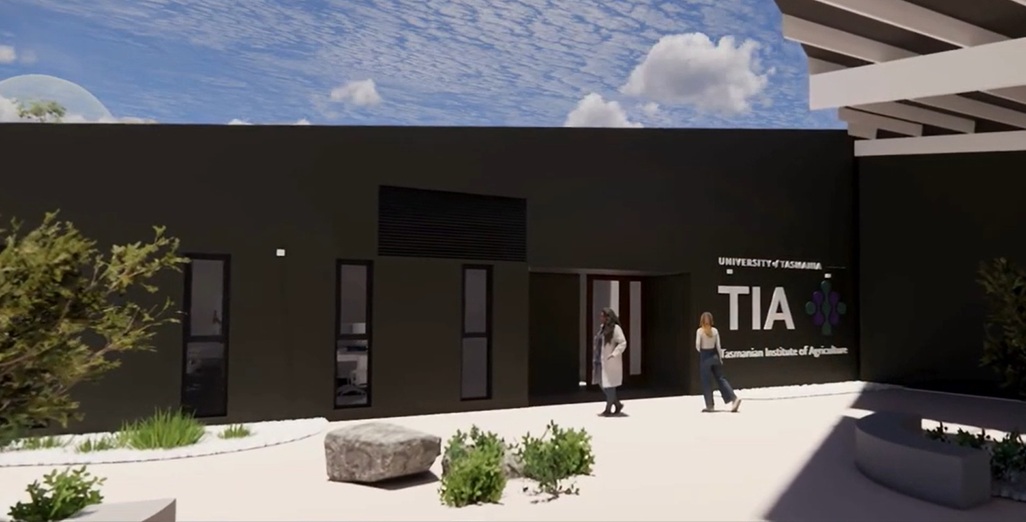
October 20, 2026
Powerplants – Purpose built facility will support leading research in crop production
The University of Tasmania is investing in the future of Australian agriculture with the development of a state of the art research greenhouse complex at its Newnham Campus in Launceston.
August 25, 2026
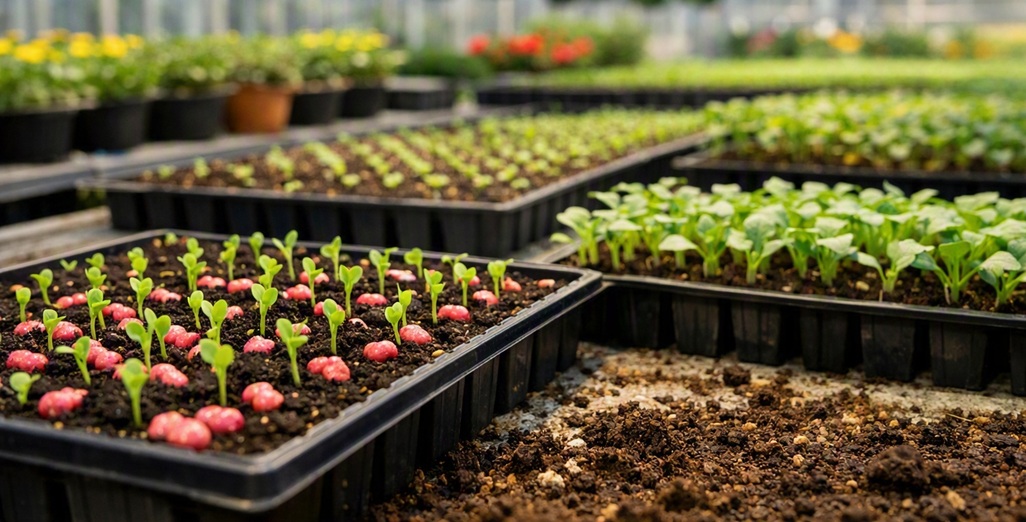
EPA seeks feedback about treated seed
The Environmental Protection Authority (EPA) is asking for feedback on a proposed group standard for treated seed.
August 25, 2026
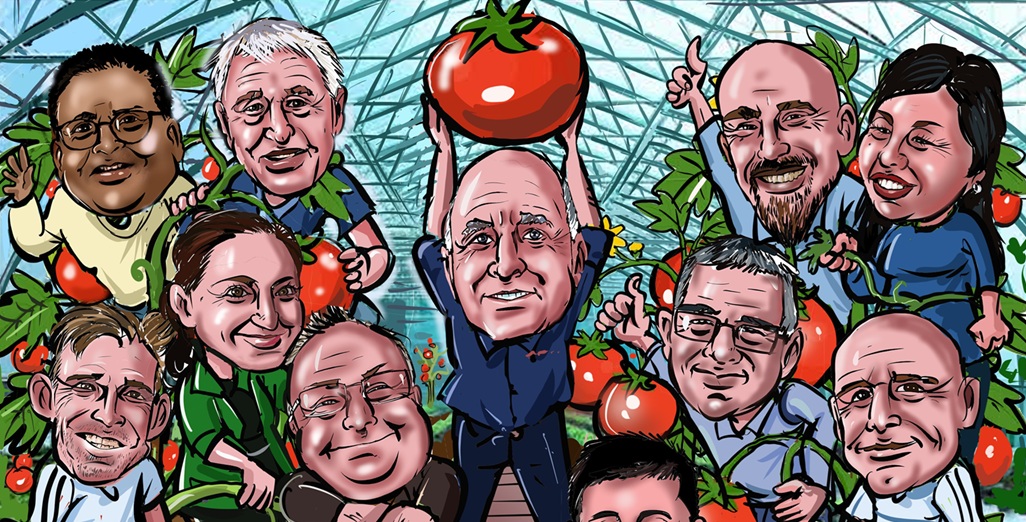
A Well-Deserved Thank You to Barry O’Neil
Eight years at the helm of TomatoesNZ recognised with Lifetime Achievement Award. At the recent Covered Cropping NZ Conference and TomatoesNZ AGM, Barry O’Neil was presented with a Lifetime Achievement Award in recognition of his outstanding contribution to TomatoesNZ and the wider covered cropping industry. The award also marked the end of an eight-year chapter, with Barry stepping down after eight years as Chair of the TomatoesNZ Board.
August 11, 2026
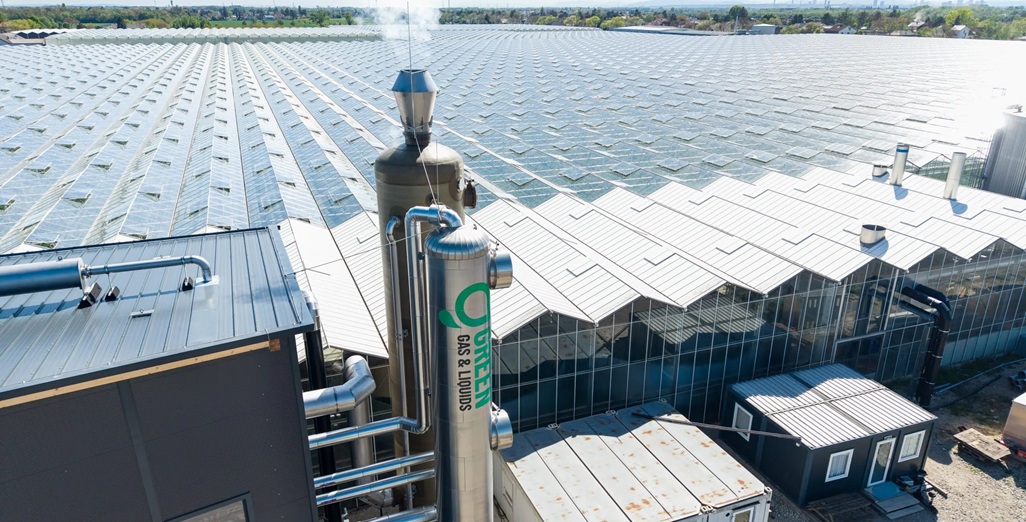
CO₂ Capture for Greenhouses Without Liquefaction —
How Galloxol® Changes the Economics
July 14, 2026
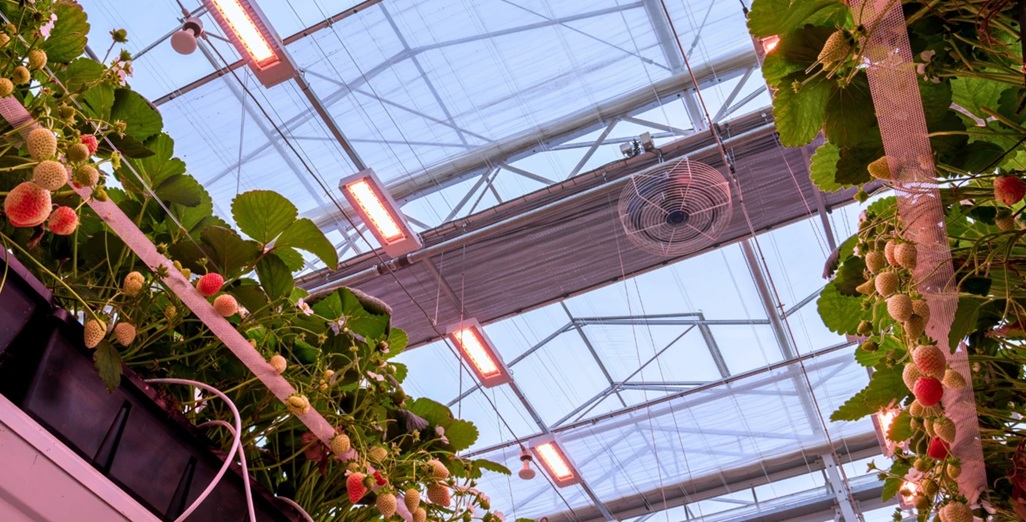
More air movement, fewer gaps, more energy savings
"The major challenge in the energy transition is to continue growing healthy and vital crops with less energy"
July 13, 2026
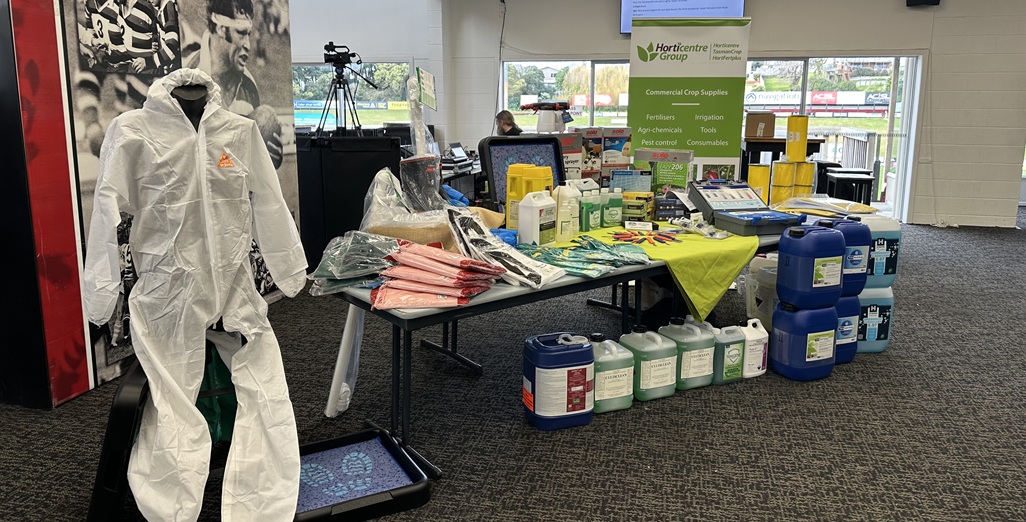
Covered Cropping NZ Conference: A Day of Practical Learning and Industry Connection
Wednesday, 12 August, at LaValla, Tuakau, South Auckland
CLASSIFIED