

Sign up here to subscribe to the Grower2grower Ezine. Every two weeks you will receive new articles, specific to the protected cropping industry, informing you of industry news and events straight to your inbox.
16
Dec 2024
Dec 2024
Industry spearheads adoption of labour-saving tech with $52M boost (Australia)
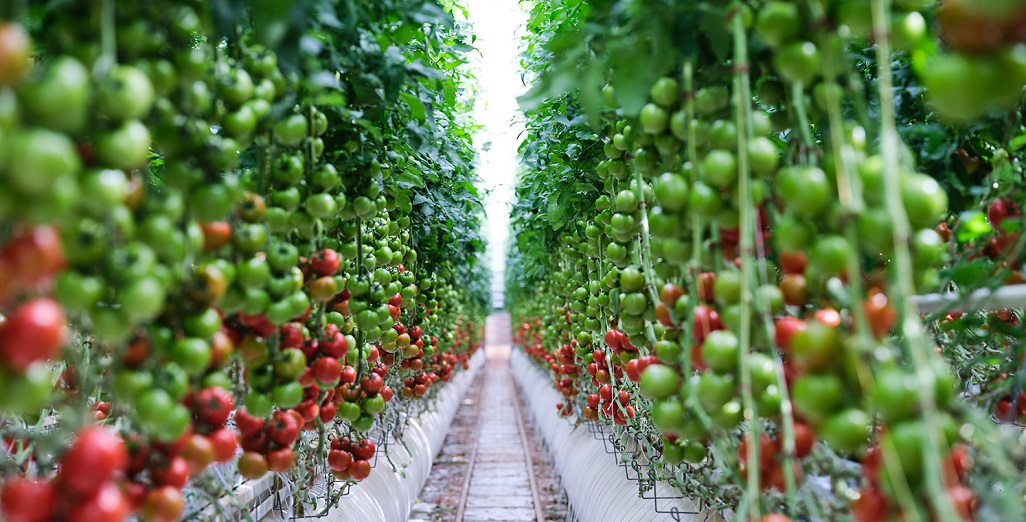
Cutting-edge automation tech is being trialled in glasshouses as part of an industry-driven initiative to enhance profitability across the protected cropping sector
Amid workforce challenges, the horticulture sector is poised to adopt the latest in automation technology for pollinating, spraying, harvesting and packing to boost productivity, with estimated labour savings on the table of up to 90 per cent.
Driven by industry, delivered through Hort Innovation’s Frontiers investment program and led by Applied Horticultural Research, the $52M program will help protected cropping growers maintain their profitability by advancing the industry’s approach towards sustainability, agronomy, automation, energy, employee skills and management.
Hort Innovation chief executive officer Brett Fifield said the program was designed by growers, for growers.
“With more than $20M invested directly from growers in this program, this industry-driven initiative holds immense potential for advancing the protected cropping sector in Australia,” Mr Fifield said.
“By embracing automation and technological advancements, growers can achieve greater sustainability, improve crop quality, and enhance profitability, paving the way for a more efficient and competitive future.”
Applied Horticultural Research managing director Dr Gordon Rogers said the program had been developed in close consultation with industry.
“Designing this program has been a collaborative process with input from major growers, researchers and technology providers to ensure it is fit-for-purpose,” Dr Rogers said.
Flavorite Group chief operating officer Chris Millis said the company is looking to employ a range of robotic solutions to revolutionise their pollinating, spraying, harvesting and packing operations.
“New technology will allow for the effective management of labour, enabling the redeployment of people or teams to other business-building activities that have previously been limited due to resource availability,” Mr Millis said.
“We currently hand-pollinate 50 hectares of tomatoes grown in glasshouses six times per week for 41 weeks. If pollination could be mechanised, our labour requirements could be reduced by 80 per cent.”
“Another example is packing, a labour-intensive activity that is a major cost in our business. Implementing an automated packing approach could save our business around $2.4 million per year.”
Costa Group general manager for avocados Cormac te Kloot said the avocado industry is set to reach new heights by adopting the latest tech.
“This program will advance the avocado industry’s approach towards sustainability, agronomy, automation, energy usage, and improving staff skills and management,” Mr te Kloot said.
“We have developed a new containerised, under-cover avocado production system where avocados are grown in containers filled with growing media under shade netting at high densities, instead of the conventional open field orchard production model.
“This research will fast track this new production model and help avocado growers compete in global export markets.”
Protected cropping Australia executive officer Julie Krieger said the program focuses on key priorities identified in the Australian Protected Cropping Strategy 2021-2030.
“We set a vision for a thriving Australian protected cropping industry, which is positioned for growth, sustainability, prosperity and international competitiveness,” Ms Krieger said.
“As part of the Strategy, industry identified optimising fit-for-purpose, cost-effective technologies as a priority, as well as increasing knowledge, capacity and practice change, which this program will address.”
The program is funded through Hort Innovation’s Frontiers program and has co-investment from Flavorite, Apex Greenhouses, Costa Group, Applied Horticultural Research, Department of Energy, Environment and Climate Action (DEECA) and Polybee.
Media contact: Lauren Jones | 0427 140 765 | lauren.jones@horticulture.com.au

CLASSIFIED




















Photo
Gallery







Subscribe to our E-Zine
More
From This Category
August 11, 2026
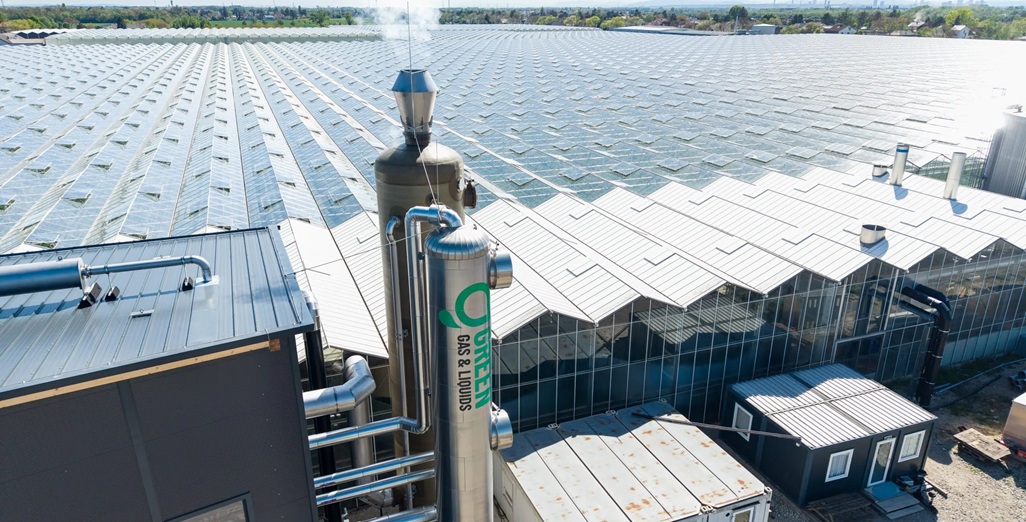
CO₂ Capture for Greenhouses Without Liquefaction —
How Galloxol® Changes the Economics
July 14, 2026
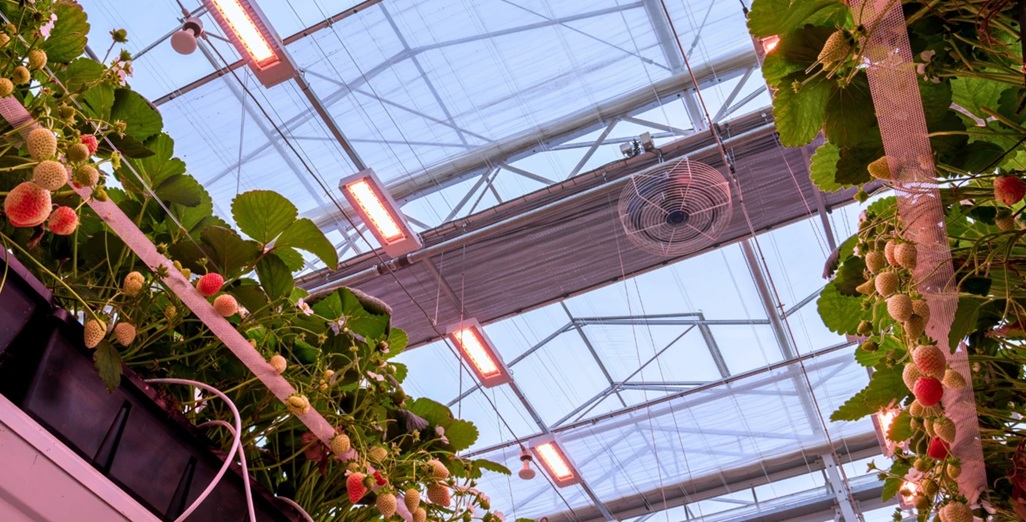
More air movement, fewer gaps, more energy savings
"The major challenge in the energy transition is to continue growing healthy and vital crops with less energy"
July 13, 2026
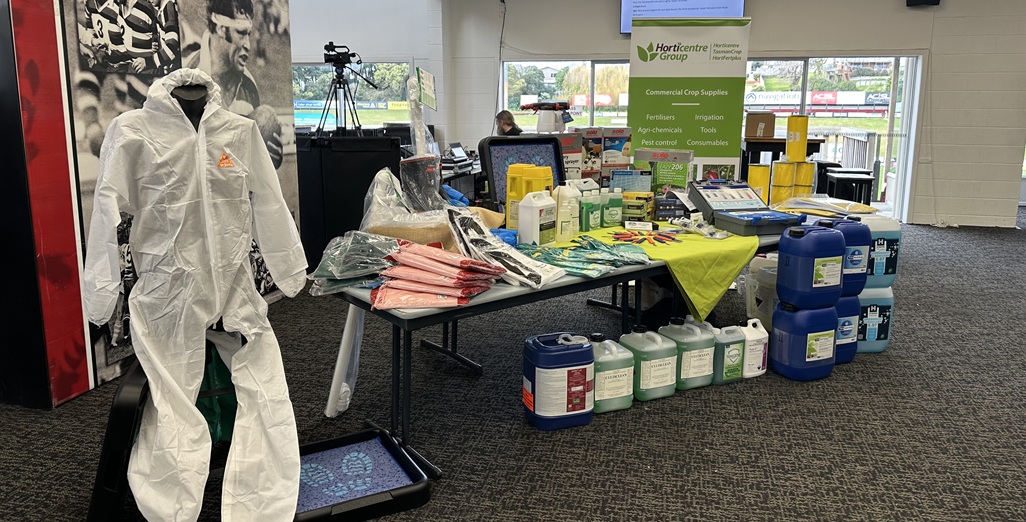
Covered Cropping NZ Conference: A Day of Practical Learning and Industry Connection
Wednesday, 12 August, at LaValla, Tuakau, South Auckland
June 15, 2026
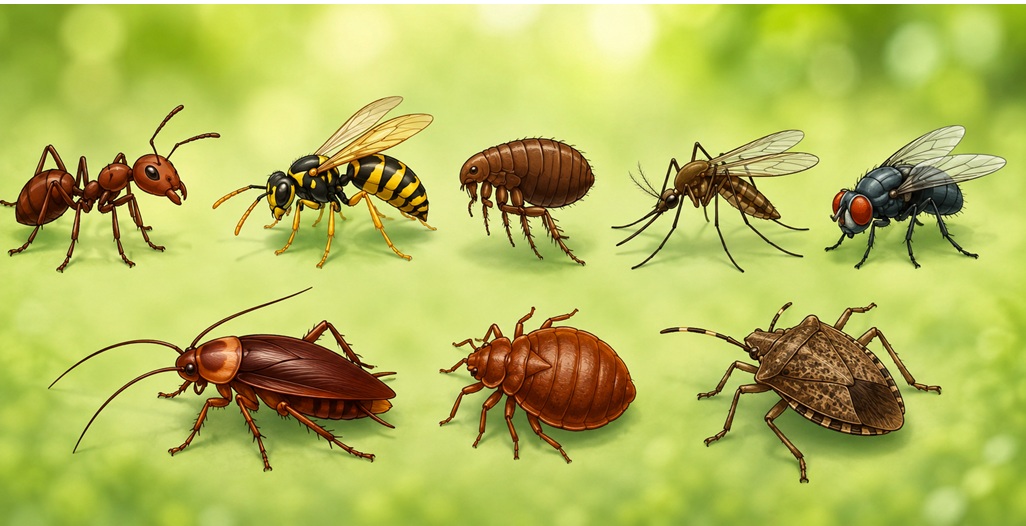
New spray approved for professional control of insect pests (Buildings only)
The Environmental Protection Authority (EPA) has approved Seclira WSG, a spot-treatment surface spray for the control of insect pests in and around buildings.
June 1, 2026
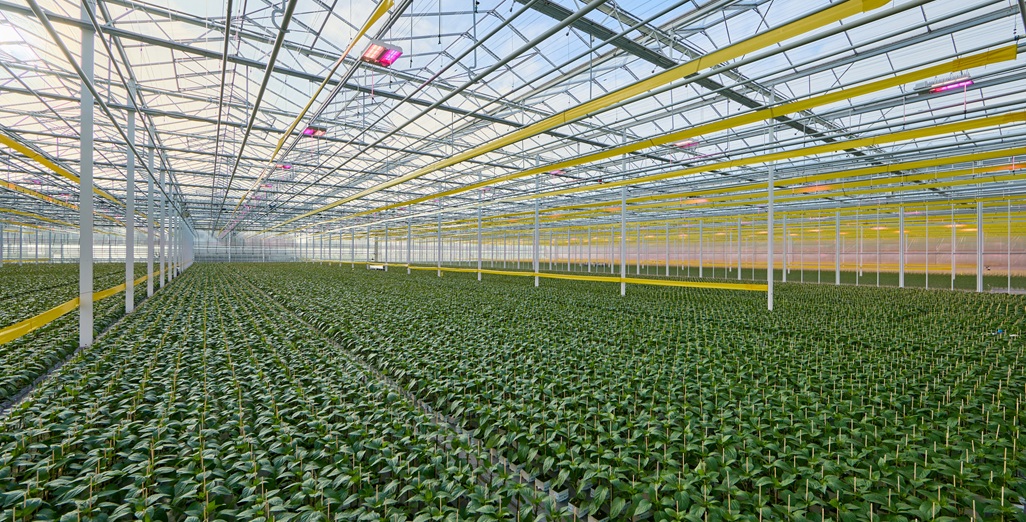
Exploring the Future of Protected Cropping in Asia
Covered Cropping NZ is seeking grower feedback on a proposed study tour to Korea and China, offering first-hand access to some of the world's most innovative greenhouse production systems.
June 1, 2026
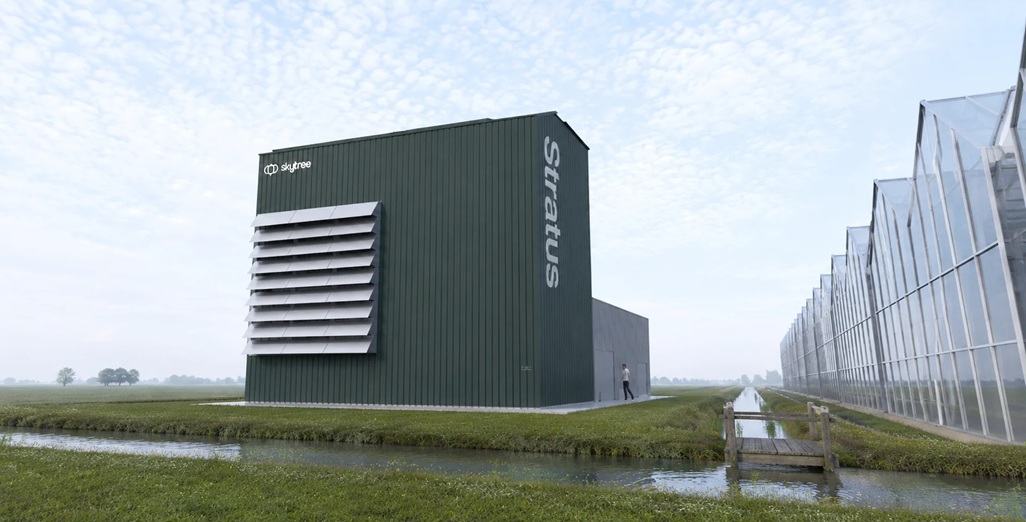
A major milestone has been reached in Direct Air Capture and agriculture
Strategic alliance will establish a decentralized, fossil-free CO₂ supply for a vital greenhouse cluster in the Netherlands that spans 80 hectares
CLASSIFIED