

Sign up here to subscribe to the Grower2grower Ezine. Every two weeks you will receive new articles, specific to the protected cropping industry, informing you of industry news and events straight to your inbox.
23
Nov 2021
Nov 2021
Is it time for our own research facility?

It is long overdue
Holland has Wageningen University, Australia has Western Sydney University. Both of these universities have high tech modern greenhouse structures, researching protective cropping methods. The leading and most well-known is Wageningen University, that researches multiple cultivars using different scenarios, from cultivation methods, heating requirements, artificial lighting and everything to do with irrigation, the list goes on. You name it and I believe they are researching it.
Research at New Zealand universities and other tertiary institutions (in regards to food production systems) is predominantly concentrated on agriculture and arable crops. I am not aware of many collaborative research institutions in NZ concentrating on protected cropping. Several universities/technical institutions have out of date structures, which I doubt are keeping abreast with worldwide research facilities.
I believe it is time New Zealand had its very own protected cropping – high tech research facility to investigate the feasibility of growing techniques and cultivars that could provide profitability and improve New Zealand’s food security. It could also help prove what not to grow. Currently we are heavily dependent on the entrepreneurs to ‘take a punt’.
Why is it time?
young banana plants in a North Waikato greenhouse
As the cost of shipping sky rockets food increases at the shops, surely what covid has taught us is that we are too heavily dependent on importing certain food. We have what appears limited food security. This does seem rather ridiculous considering New Zealand exports huge volumes of fresh and processed food every day and we have some of the best growing conditions on the planet.
Examples of food imports I believe we could grow in larger volumes during the winter are berry fruit and some tropical fruit. There is the available technology to grow strawberries all year round, it will come down to the cost to invest in high tech structures and the cost of the energy. Bananas could be grown in cost effective tunnel houses in the warmest parts of NZ. However, all of these ideas require full business case studies to prove they are commercially viable. Without understanding (researching) the growing systems required including: varieties, plants per ha, production volumes etc, then producing a feasibility/business case is reliant on overseas information that may or may not relate to NZ’s climate.
New Zealand relies on exporting our horticulture and agriculture products and this will keep growing, container ships will continue to bring goods to New Zealand and be backloaded with what we do best. International trade is not going to stop if NZ reduces the amount of food we import. I sincerely believe there are huge possibilities to commercially and profitably grow a huge array of greenhouse crops in the future – we just need proof to provide assurance to business. I would fully support a NZ university to examine the possibilities and opportunity.
Article written and compiled by Stefan Vogrincic
All Article’s checked and edited by Marie Vogrincic
I appreciate your comments. Please feel free to comment on the grower2grower Facebook page:
https://www.facebook.com/StefanGrower2grower/
CLASSIFIED












Subscribe to our E-Zine
More
From This Category

February 10, 2026
MG Group partners with The Gut Foundation
Growing a healthier New Zealand together
January 27, 2026
Protected Cropping, Weather Extremes And Growth Potential
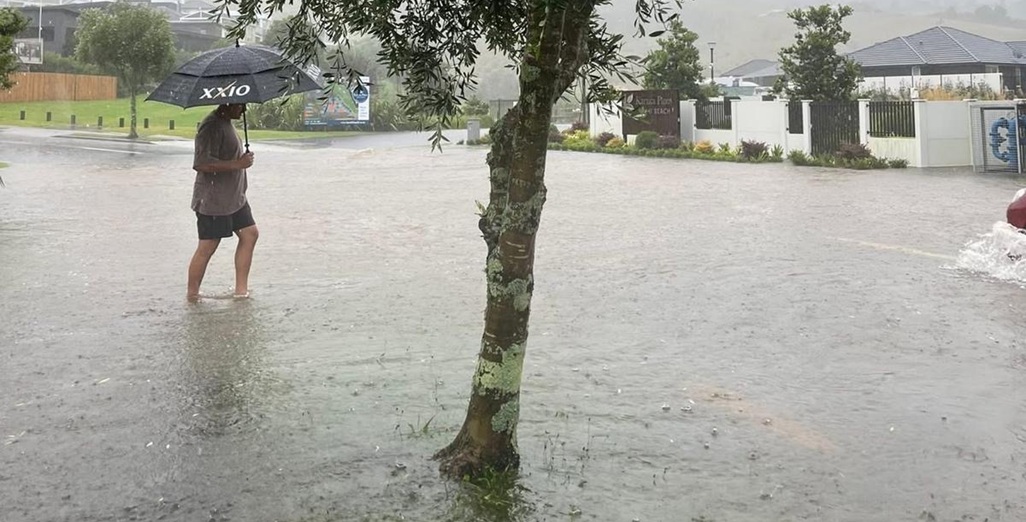
Extreme weather again highlights the role of protected cropping. During last week’s deluge across the North Island, significant damage is expected across many outdoor crops. Onions lying on the ground and attempting to dry will be particularly vulnerable, with prolonged saturation likely to result in quality losses and storage issues.
January 27, 2026
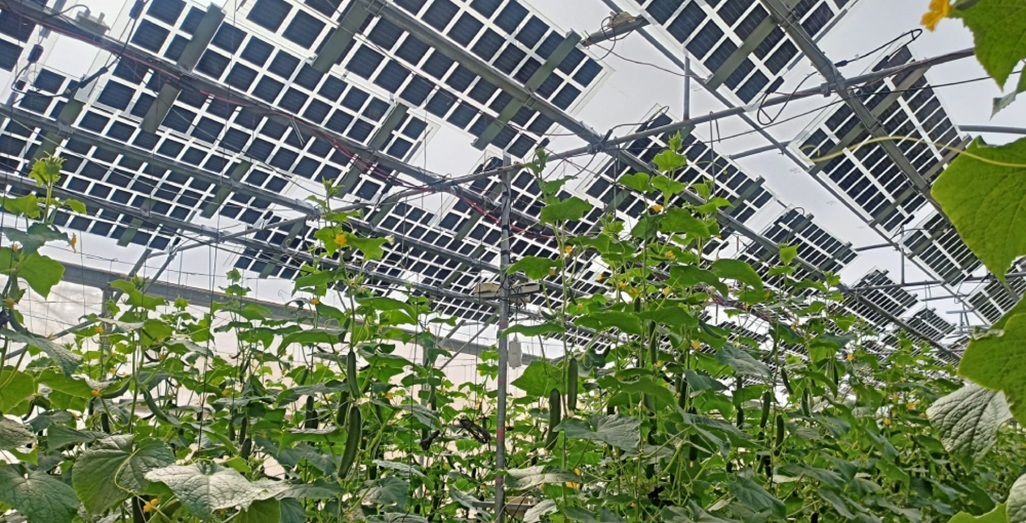
Agrivoltaics in Greenhouses Turning Sunlight into Energy and Crops
The EU is rapidly increasing its renewable energy targets, with solar power playing a central role in achieving these goals
January 12, 2026
Response to fruit fly find in Mt Roskill continues
The recent detection of a Queensland fruit fly in Mt Roskill and the resulting biosecurity controls on fresh produce movement highlight the very real risk this pest poses to New Zealand’s horticulture sector.
CLASSIFIED