
Sign up here to subscribe to the Grower2grower Ezine. Every two weeks you will receive new articles, specific to the protected cropping industry, informing you of industry news and events straight to your inbox.
23
Aug 2018
Aug 2018
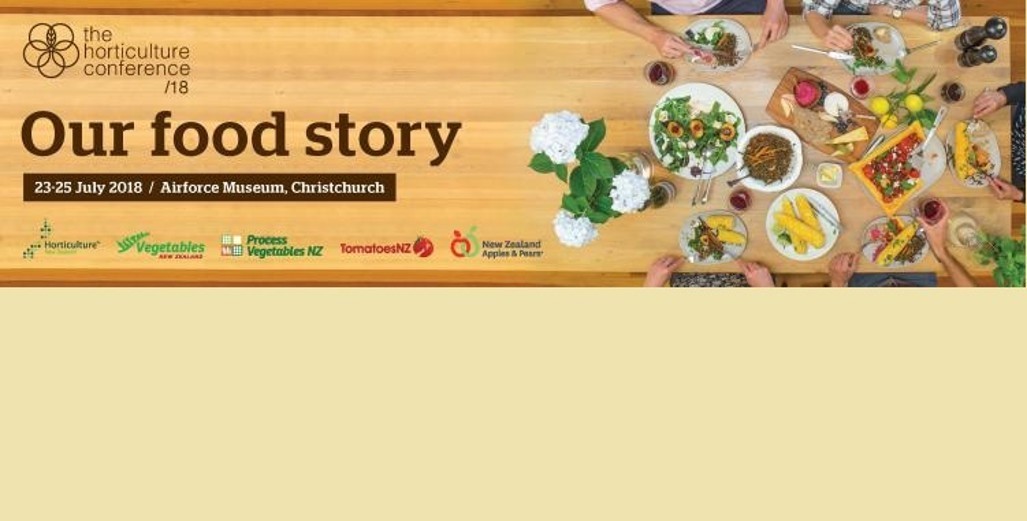
New Zealand Horticulture Conference, 23rd to 25th July Christchurch, Preview-
New Zealand Horticulture Conference, 23rd to 25th July Christchurch, Preview-
What’s in it for covered crops?
From the 23rd to 25th of July it is the Horticulture NZ Conference, being held in Christchurch at the Wigram Airforce Museum. I will be attending on Tuesday 24th and hope to write a few articles on the presentations.
This year’s horticulture conference is a partnership between Horticulture New Zealand, New Zealand Apples and Pears, Vegetables New Zealand Inc, Tomatoes New Zealand Inc and Process Vegetables New Zealand.
The Australian HFF and PCA conference’s, which has a large focus on hydroponic greenhouse production (that I highly recommend you attend), the NZ Horticulture conference has a broader audience to cater for. Therefore, the topics and speakers don’t always interest or attract greenhouse growers. This year the speakers, on the Tuesday, caught my attention and I feel the information from these speakers should be relevant and interesting for a large proportion of Grower2Grower readers.
I will be attending the following presentations;
10.15am -11am Constraints on Growing and Overcoming them
Andrew Barber & Jon Manhire, Agrilink
Sharon Forbes, Lincoln University
James Ryan, Ballance Farm Awards
Jon and Andrew are from the Sustainability Dashboard and will be talking about the project, the goal of which is to significantly enhance sustainability assessment and reporting in NZ's agricultural sector in response to increasing market, business improvement/resource use and regulatory drivers and requirements. They have case studies from NZ wines and NZ apples.
Sharon co-authored a paper on reporting on environmental impacts and how it can be used to prove the claims. James from the Ballance Farm Environment Awards is going to talk about social responsibility.
11.45 -13.00 The Post-Pesticide Age
Dr Alison Stewart, Foundation for Arable Research
Dr Charles ‘Merf’ Merfield, BHU Future Farming Centre
Dr Steve Wratten, Lincoln University
Robbie McCormick, Mr Apple
The Post Pesticide Age session is about looking at the alternatives to agrichemicals and how they are being developed for commercial horticulture. There is a wide variety of work going on within NZ science and industry to develop commercially applicable physical, biological and ecological pest management techniques. During the panel session delegates will hear about some of these from four experts and practitioners, including real-life examples of the techniques being successfully used, and have an opportunity to ask them questions.
1400- 1430 Keynote Speaker
Kok Hwee Ng , Zespri
Kok Hwee from Zespri will be talking about marketing and how it’s consumer-centric. Including examples from their marketing into Asia as an increasingly important market
14.30 – 15.00 Keynote Speaker
Dr Steve Wratten, Lincoln University
Next-generation bioprotection in a volatile horticultural era:
Agricultural and horticultural practices are increasingly being challenged for their lack of true sustainability, including high use of damaging inputs and misuse of oil-derived products and water. Frequent pest, weed, and disease invasions compound these problems, often mitigated mainly by prophylactic pesticides.
Recent findings published in Science magazine confirmed the presence of neonicotinoids in global honey samples (including those from New Zealand).
The Bio-Protection Research Centre is addressing these challenges by moving towards sustainable intensification – understanding and enhancing the ecosystem services that appropriate biodiversity provides.
In this presentation Prof Steve Wratten will outline this ‘future-farming’ system, driven by next-generation bio-protection. He will also give examples of current research in this highly topical approach to system redesign.
15.00 – 1600 Production Issues/Robots
Jamie Lunam, Jenkins Freshpac
Jamie will be discussing “People and Automation, the optimised kiwi pack house.” I.e.: machines in pack houses, and how they are not replacing people but that different skills will be needed in the pack house – e.g. people to operate the machines/technology.
Please let me know if you are not able to attend the conference yet would like a detailed report on any of the presentations I will be attending. e-mail stefan@grower2grower.co.nz
CLASSIFIED










Subscribe to our E-Zine
More
From This Category
March 10, 2026
Australia’s horticulture sector has delivered a year of record‑breaking performance
Highest production value to date of $18.4 billion, up 6% on the previous year.
March 10, 2026
Energy saving through screens
A combination of screen use, screen quality, greenhouse climate requirements, and greenhouse equipment.
March 10, 2026
Heating Uncertainty Leaves Greenhouse Growers Searching for Answers
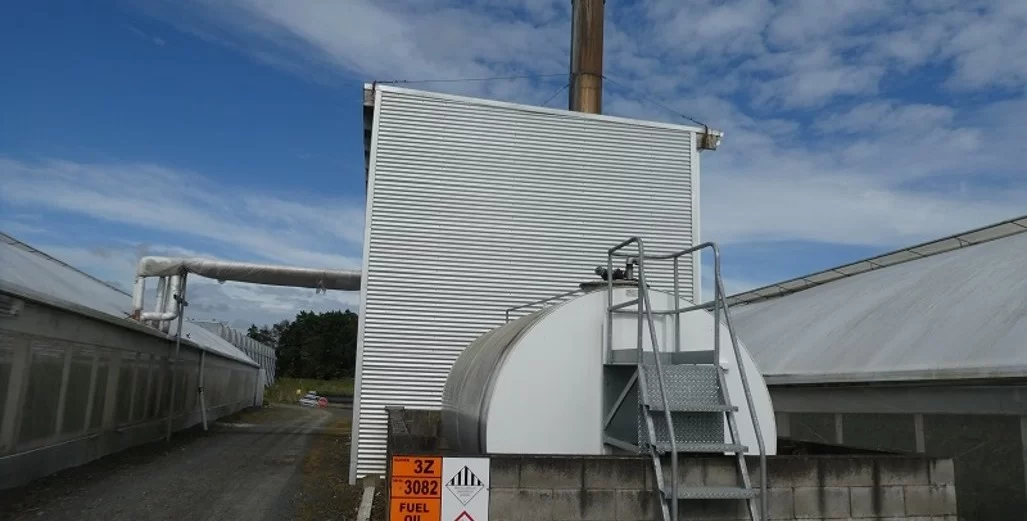
Waste oil supply changes force growers to reconsider long-term heating options ahead of winter. Two weeks ago I was alerted that one of the major recycled waste oil suppliers, based in the Auckland region, will soon stop supplying greenhouse growers. For one of my customers this came as a significant shock, particularly given that notice was given that deliveries will cease in the coming months –

February 10, 2026
MG Group partners with The Gut Foundation
Growing a healthier New Zealand together
January 27, 2026
Protected Cropping, Weather Extremes And Growth Potential
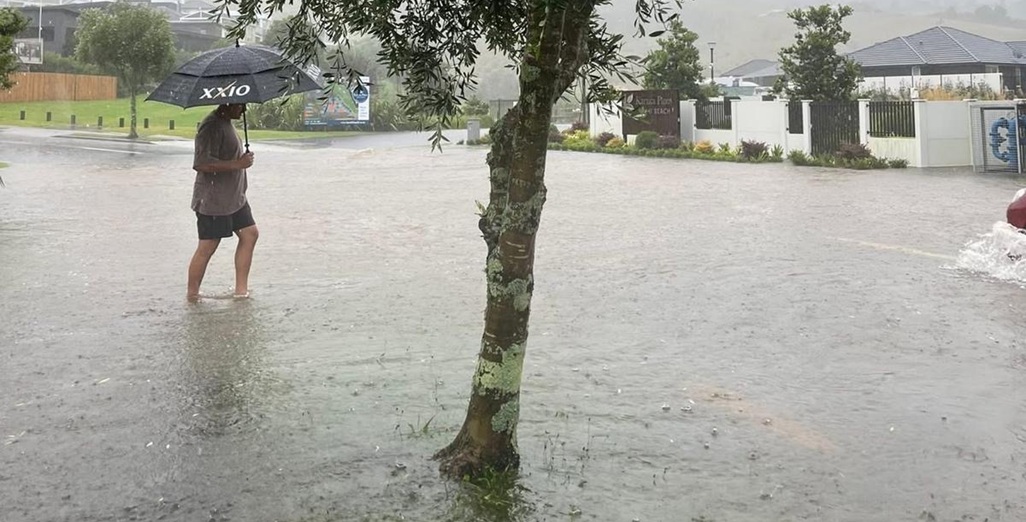
Extreme weather again highlights the role of protected cropping. During last week’s deluge across the North Island, significant damage is expected across many outdoor crops. Onions lying on the ground and attempting to dry will be particularly vulnerable, with prolonged saturation likely to result in quality losses and storage issues.
CLASSIFIED