
Sign up here to subscribe to the Grower2grower Ezine. Every two weeks you will receive new articles, specific to the protected cropping industry, informing you of industry news and events straight to your inbox.
6
May 2020
May 2020
NZ Has The Know How
High tech or low tech?
Sooner rather than later I expect some very well-equipped greenhouses and factories to be growing Pharmaceutical grade Medical Cannabis (MC). To become certified to grow MC the growing environments will have very high standards and be very expensive to build relative to a typical NZ high tech greenhouse vegetable growing operation. Greenhouse vegetable growers like myself would absolutely love the technology and growing systems used in that particular industry. Greenhouse vegetable growers don’t necessarily or currently need all of those bells and whistles but it would make growing an entirely more pleasurable experience in my view.
Many established NZ strawberry growers are considering changing growing practices and moving from growing in soil to substrates and also erecting greenhouse structures. One Tauranga grower recently contacted me for advice on this particular subject. My view will always be the higher the investment the better the growing outcomes, but initial investment and return on investment is putting growers off high tech. From my point of view there is good arguments for both low or high tech and even though I do love the new technology available I understand the economics.
Recently I read the article, see below, that illustrates the high-tech options currently built in other parts of the globe. Apart from the high-tech nature of the build the energy source used to heat the greenhouse, make electricity and provide the greenhouse with C02 is just as fascinating.
Do we have the know how?
If you are new to the protected cropping industry and wonder if we have the know how in NZ, I can assure you we do. For example, NZ has fantastic greenhouse building companies like APEX Greenhouses that are able to build extremely high-tech structures, we have companies like F-Tek that build amazing greenhouse equipment and transport systems and we even have companies like PURE Led providing lighting solutions. There are also many other fantastic companies in NZ that provide for both low- or high-tech structures required for each industry.
New 6 ha LED-lighted strawberry facility to be realised in Lincolnshire, UK

Only recently it was announced that Beeswax Dyson Farming – Britain’s largest privately owned farming business – will realise a multi-million-pound state-of-the-art indoor strawberry production facility in Lincolnshire, UK.
750 tonnes
A new six hectare glasshouse packaging and cold store facility in Carrington, near Boston, will be able to produce 750 tonnes of strawberries at any one time – providing what they say will be ‘the highest quality local strawberries all year round’. In addition, project leaders say the development will be a ‘first of its kind for size, complexity, sophistication and green credentials’ in the UK horticulture market.
"It will see heat generated from the current onsite anaerobic digester biogas plant, where maize and rye silage is converted into energy, stored and used as and when required in glasshouse enabling major energy savings", they explain. "Biogas will also be extracted, cleaned and converted into CO2, to be used to enhance the growing environment and improve crop yields inside the glasshouse."
Methane gas, which is already created by the anaerobic digestion process, will be used to create electricity to power the glasshouse – and power over 7,700 homes – through a specially built Combined Heat & Power (CHP) system. The site will even be self-sufficient in terms of water usage, with the entire site harvesting rainfall to be reused in irrigation systems.

LED lights and energy curtains
While the energy is gained in a sustainable way, also everything is done to save as much energy as possible in the greenhouse. The glasshouse will benefit from energy-saving and light pollution screens to save heat for use at night and to provide shade during the day. The greenhouse will be equipped with LED lighting systems.
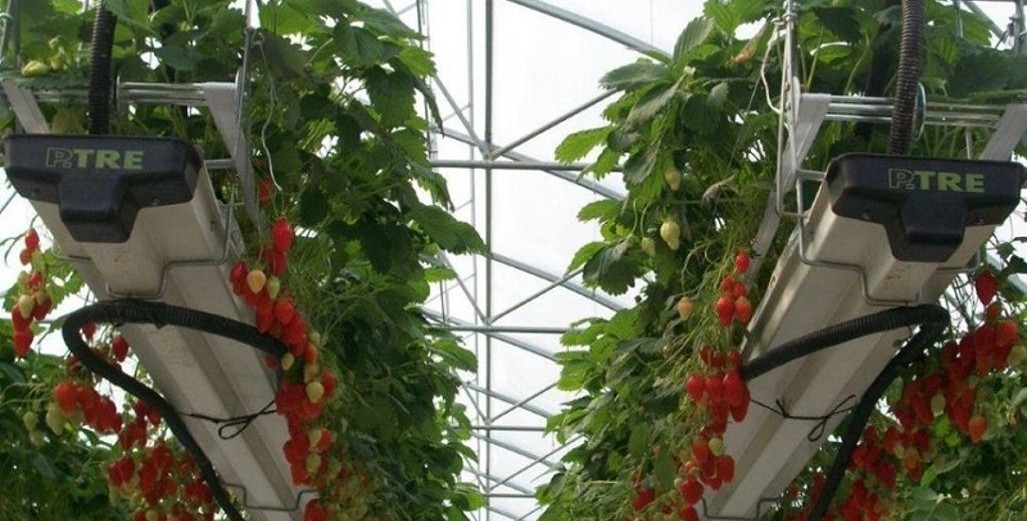
The plants will be grown on swinging hanging growing gutters to allow access for harvesting, and a self-sufficient water system will enable rain-water harvesting across the site.
Source
https://www.hortidaily.com/article/9196651/british-grower-adds-6-ha-soft-fruit-greenhouse/

Above photo of a Dutch greenhouse with a crane system that lifts alternate gutters up or down. This system allows for maximum usage of floor space. This is just one of many high tech solutions.
I appreciate your comments. Please feel free to comment on the grower2grower Facebook page:
https://www.facebook.com/StefanGrower2grower/
Article Written and compiled by Stefan Vogrincic, Consultant, Grower2Grower
Article Edited by Marie Vogrincic, Editor, Grower2Grower
CLASSIFIED









Subscribe to our E-Zine
More
From This Category
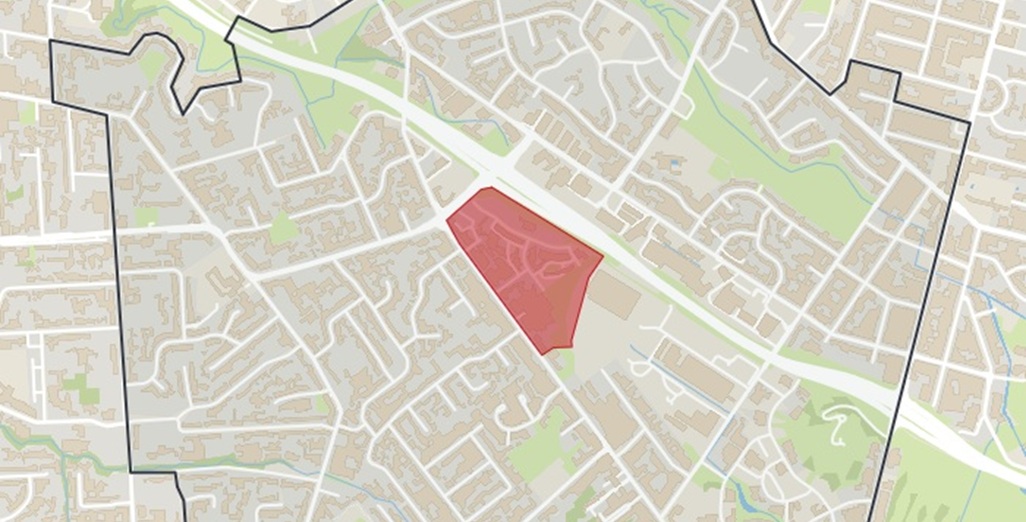

February 10, 2026
MG Group partners with The Gut Foundation
Growing a healthier New Zealand together
January 27, 2026
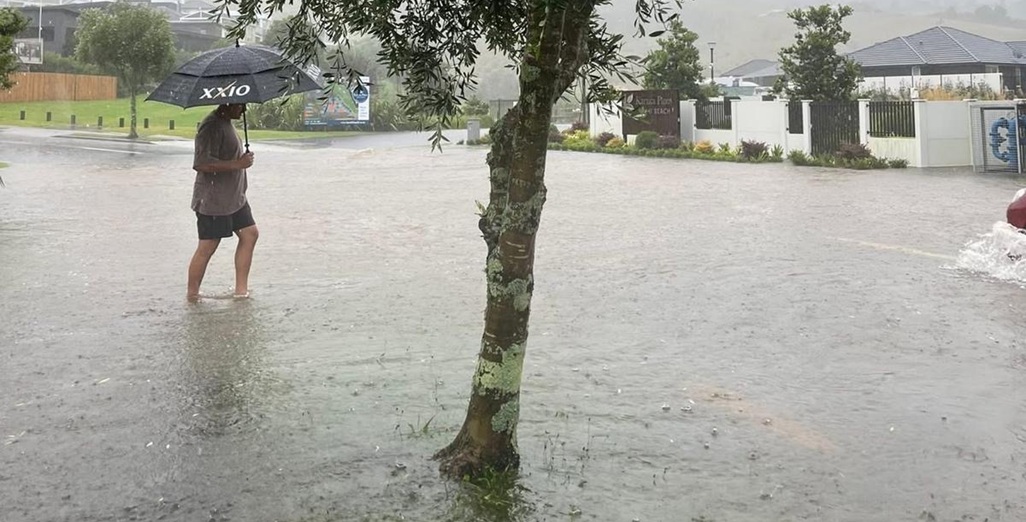
Protected Cropping, Weather Extremes And Growth Potential
Extreme weather again highlights the role of protected cropping. During last week’s deluge across the North Island, significant damage is expected across many outdoor crops. Onions lying on the ground and attempting to dry will be particularly vulnerable, with prolonged saturation likely to result in quality losses and storage issues.
January 27, 2026
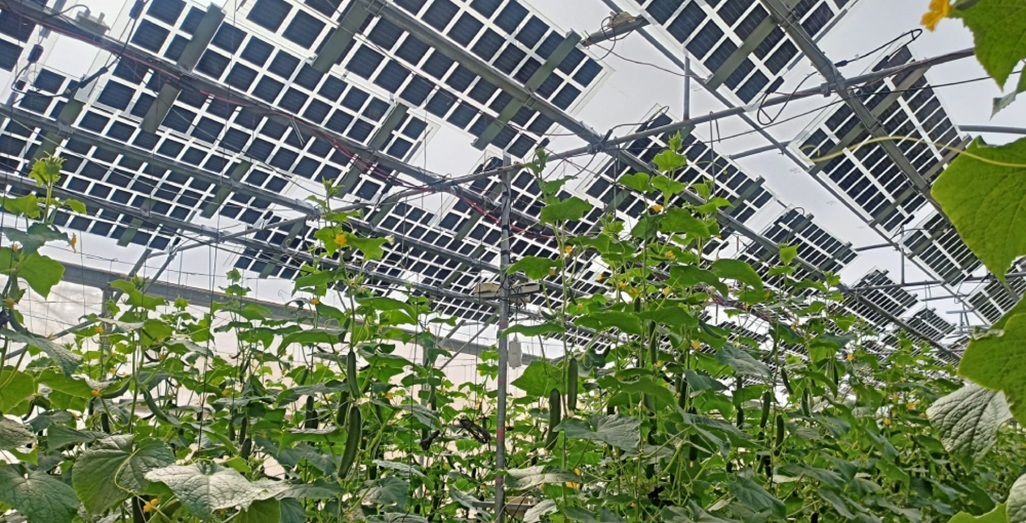
Agrivoltaics in Greenhouses Turning Sunlight into Energy and Crops
The EU is rapidly increasing its renewable energy targets, with solar power playing a central role in achieving these goals
January 12, 2026
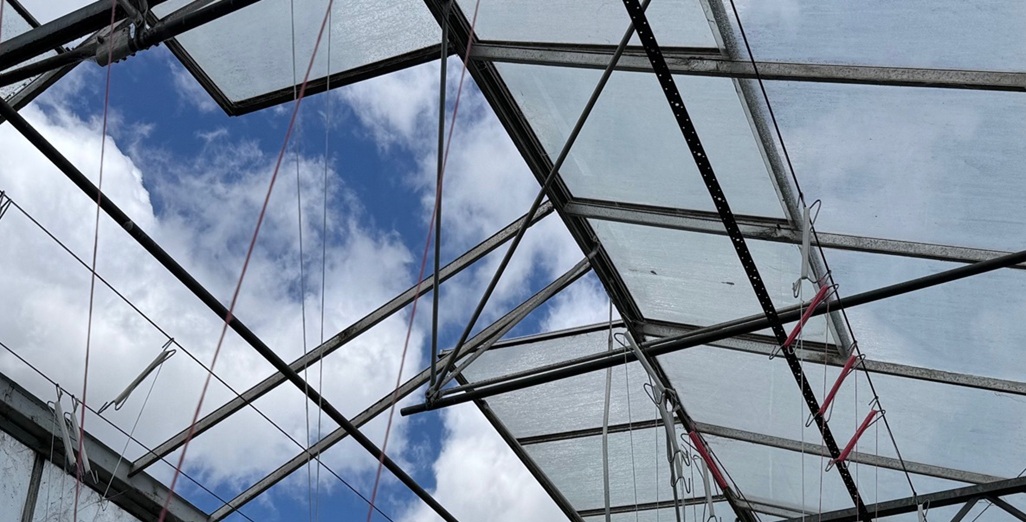
Response to fruit fly find in Mt Roskill continues
The recent detection of a Queensland fruit fly in Mt Roskill and the resulting biosecurity controls on fresh produce movement highlight the very real risk this pest poses to New Zealand’s horticulture sector.
CLASSIFIED