
Sign up here to subscribe to the Grower2grower Ezine. Every two weeks you will receive new articles, specific to the protected cropping industry, informing you of industry news and events straight to your inbox.
5
Jul 2022
Jul 2022
Observations from my recent onsite visits
New and old properties with potential require transferable knowledge
This year I am making a conscious effort to get out of my Covid office bubble and return to visiting growing sites. It is a relief to travel again, helping customers in different regions other than Auckland and the Waikato. Adapting our business to work via video conference has been ideal during covid and this will continue as part of our strategy, it saves on unnecessary travel and it still delivers really good value. However, it is still very important to physically visit properties to get a sense of layouts, movement of staff & produce. Systems, especially around efficiencies, are crucial in a competitive market where returns are everything. Every movement and even placement of equipment will determine how long a job or process takes.
As I pondered, over the weekend, (while the All Blacks dazzled Ireland and the Warriors were faultless) what I had observed in the last couple of months, I am excited that not only are greenhouse horticulture opportunities are increasing, but there is a need for continual reporting around ever-changing growing systems. Technology and techniques are changing rapidly, sometimes so quickly it is hard to keep ahead of them.
It can be confusing and I believe there are some key things that may indeed help growers, (apart from making sure you read Grower2Grower every two weeks)
What may help your situation:
- Independent Advice – Engaging with multiple suppliers is an excellent source of gathering information and knowledge. Suppliers are essentially selling you their best and most up to date technology they have available. I still believe it is important to seek independent advice to give you confidence in your decision making. This may be expensive but necessary even if you are an established business or a new venture.
- International travel – Over the last two- three years travel has been unrealistic for most of us. The opportunity to see new systems and techniques, in person, at international properties or conferences has been off the cards. There is fantastic knowledge in New Zealand to draw from, but there is nothing like travelling to broaden your knowledge. Even for existing businesses, techniques and systems are constantly changing. A colleague of mine, and seed representative has just returned from Holland where she said “the trip really outlines how important a regular catch up with the breeders is – a lot of progress has been made the past three and a half years”
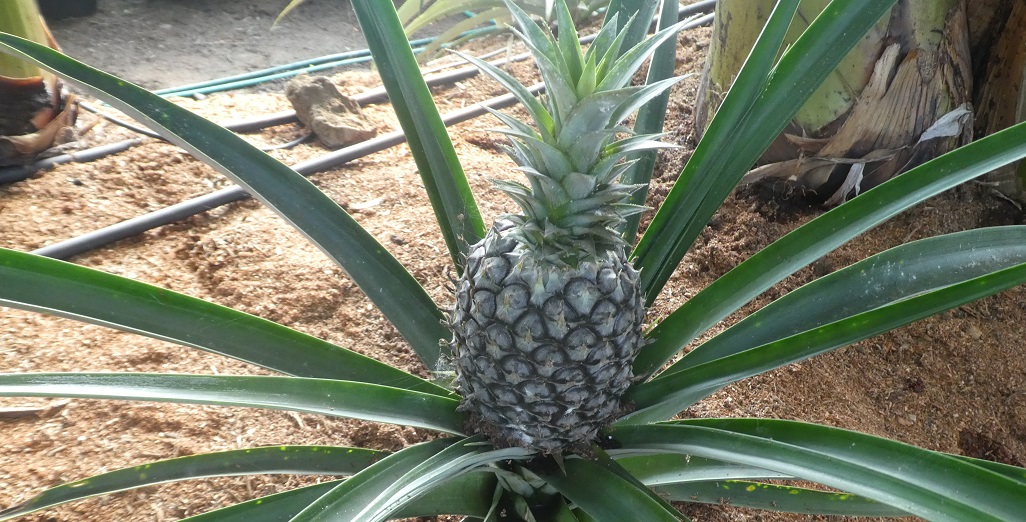
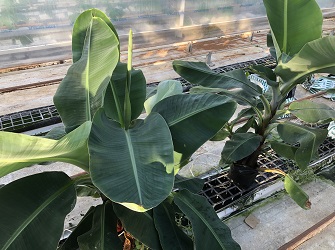
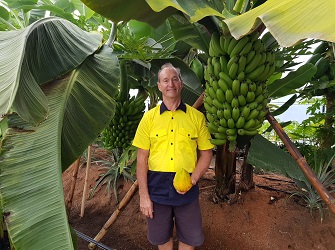
- Understanding the Market –I would prefer to have a market to supply before I built my greenhouse ‘build it and they will come’ is what we could have done in the past and is still done where a grower has a gut feeling or inkling, however I would investigate the potential market and if possible secure supply agreements. Your buyer will appreciate this, and it will make it much easier to find a home for your produce. An example: I see a real possibility for the current niche Banana market in New Zealand moving to a more developed market in the near future -everyone eats bananas and if we get the varieties, the structures and the systems correct then this can only be good for our food security and creating wealth and wellbeing this country.
Article written and compiled by Stefan Vogrincic
All Article’s checked and edited by Marie Vogrincic
I appreciate your comments. Please feel free to comment on the grower2grower Facebook page:
CLASSIFIED













Photo
Gallery


Subscribe to our E-Zine
More
From This Category
September 7, 2026
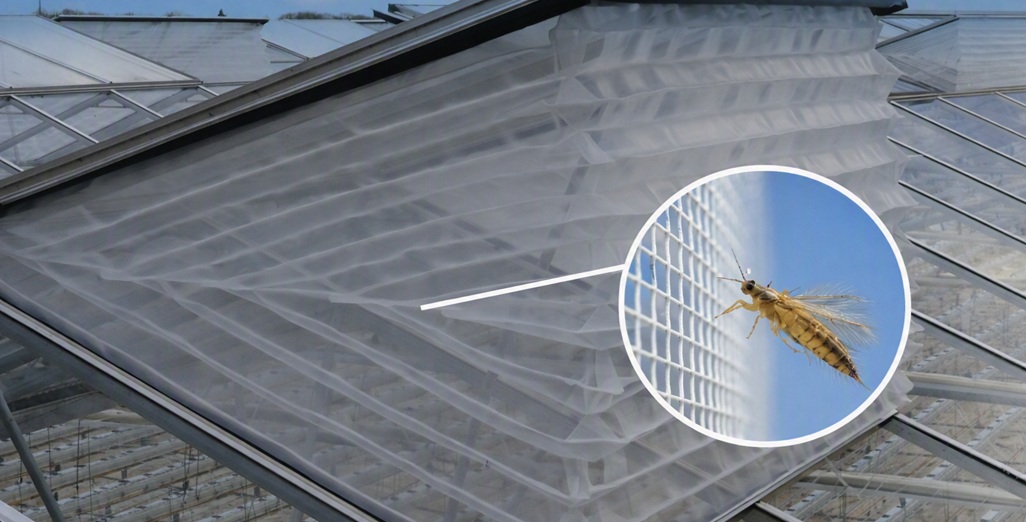
Keeping the Door Shut: Are Insect Screens the Next Step in Greenhouse IPM?
As thrips and other pest pressures continue to increase, it may be time to rethink how we stop pests entering the greenhouse in the first place. As we head into spring, and following the recent Mini Covered Cropping NZ Conference, one pest issue continues to stand out: the ever-increasing threat posed by thrips.
August 11, 2026
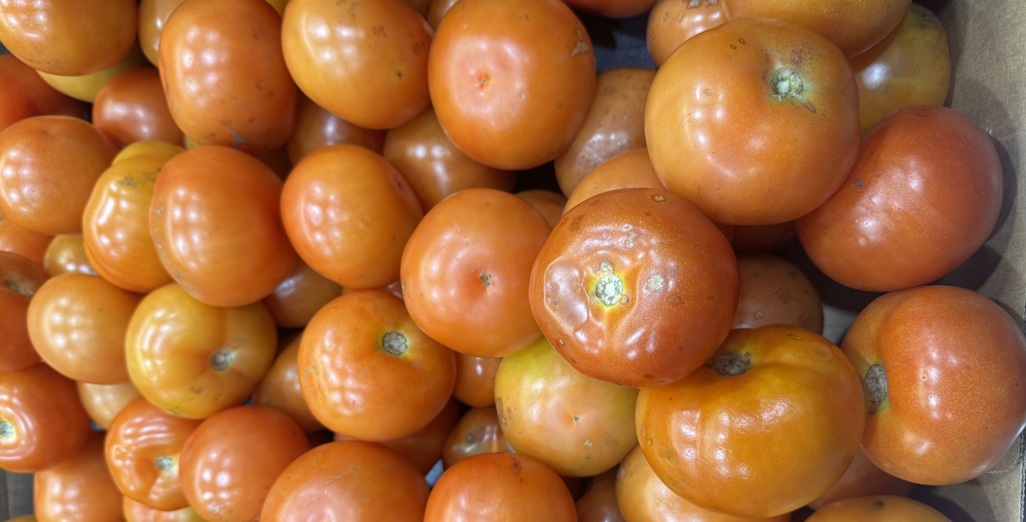
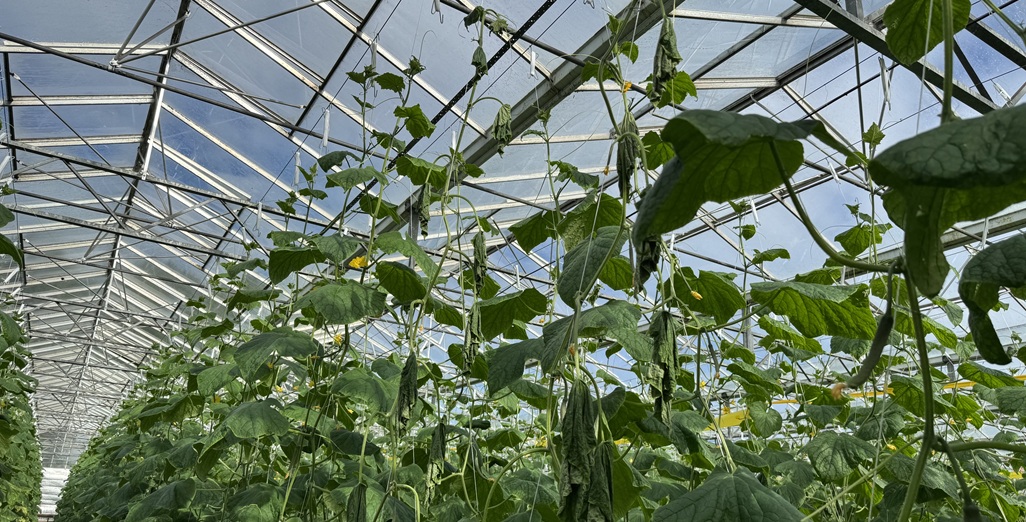
Cucumber Grafting: Insurance Policy or Unnecessary Cost?
Grafting can provide a stronger root system and valuable insurance against root-zone problems – but it won’t protect the canopy from fungal disease.
July 27, 2026
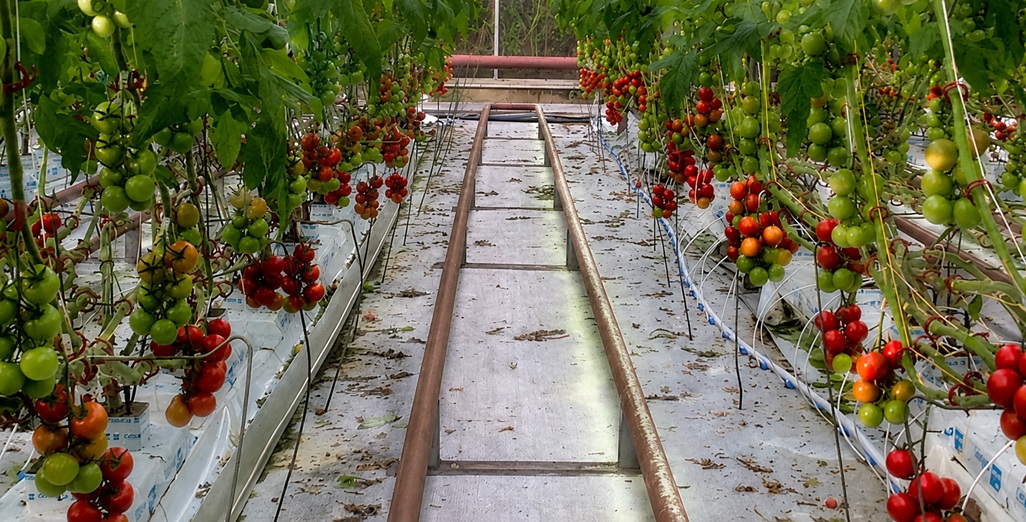
Combating Leaf Mould and Powdery Mildew in Greenhouse Tomatoes 2026
It's been eight years since I first wrote about controlling leaf mould. While many of the principles still apply, growers now have more tools available, making it a good time to revisit what works and where disease management is heading.
July 27, 2026
GrowWise smart spectrum helps growers save energy or boost crop growth through automated spectrum optimization
“With just a few clicks, we achieved approximately 2% more light on the crop”
July 13, 2026
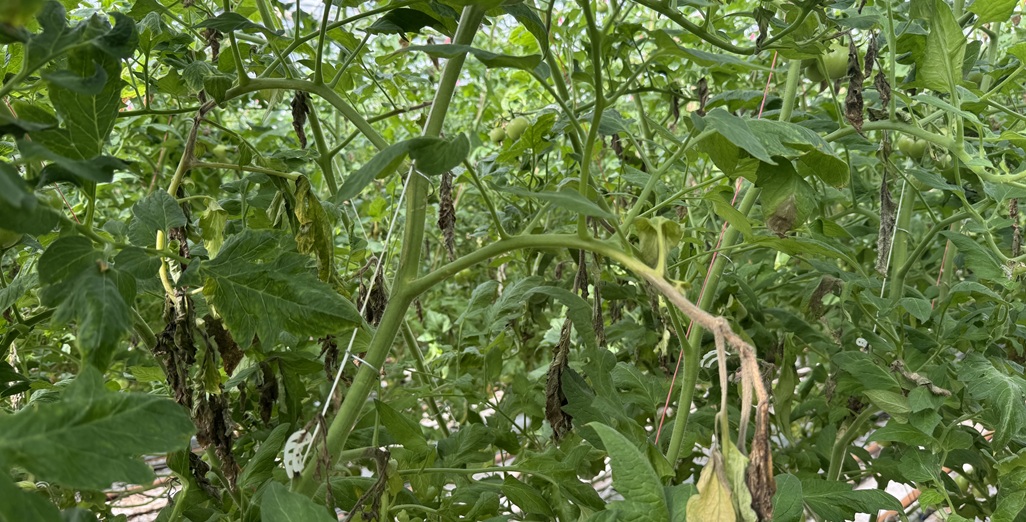
Why Botrytis has become such a challenge this winter
The objective is not to grow a vegetative crop or a weak generative crop. The objective is to grow a balanced crop with enough vigour to support the fruit load while maintaining healthy leaf quality.
CLASSIFIED