

Sign up here to subscribe to the Grower2grower Ezine. Every two weeks you will receive new articles, specific to the protected cropping industry, informing you of industry news and events straight to your inbox.
8
Oct 2024
Oct 2024
High-tech spy gear to uncover the secrets of Bumble bees in Tasmania

Bumble bees in Tasmania are being geared up with micro radio transmitters and cameras to help scientists uncover their environmental impact and crucial role in crop pollination.
Delivered through Hort Innovation’s Frontiers investment program and led by Western Sydney University, the $3.3M initiative will produce a comprehensive large-scale study of the Buff-tailed Bumble bee.
The program will use various cutting-edge technological solutions to efficiently generate a large volume of unique and rigorously collected data.
Hort Innovation chief executive officer Brett Fifield said this investment forms part of a multi-pronged approach to ensure the horticulture sector is prepared for the future.
“This investment is a prime example of using breakthrough research to strengthen industry’s readiness for existing and emerging opportunities and threats,” Mr Fifield said.
“With the arrival of Varroa mite to the Australian mainland, there is a sense of urgency for industry to explore other potential options for safeguarding crop pollination services across the country. This research will expand our knowledge of Bumble bees in Tasmania, giving growers another tool in their toolkit.”
Western Sydney University postdoctoral researcher Dr James Makinson said incorporating state-of-the-art technology will result in significantly more comprehensive insights than previously possible.
“Radio transmitters will allow us to discover the daily foraging habits of Bumble bee queens in different agricultural and natural landscapes and allow us to follow bees back to their nests. Transmitters can be easily recovered, allowing us to track dozens of individuals across multiple field sites in a single season,” Dr Makinson said.
“The automated real-time analysis of video footage from our audiovisual monitors will allow us to collect long-term continuous data of the foraging activity of wild Bumble bee and managed Honey bee colonies, saving 100s of hours of fieldwork and data analysis.”
“Monitoring cameras can be placed in the field and left alone, allowing a single researcher to monitor multiple locations of interest, passively collecting data for multiple experiments.”
Fruit Growers Tasmania chief executive officer Peter Cornish said the insights will help the Tasmanian horticulture industry plan effectively for the future.
“This research will answer important questions about Bumble bees as pollinators. What are Bumble bees doing in Tasmanian ecosystems? How are they interacting with different commercially-important crops? Can their populations be naturally manipulated to achieve conservation or pollination service goals?” Mr Cornish said.
“The findings will inform future decision-making for our industry on how to best balance the risks and opportunities posed by Bumble bee pollination services in Tasmania.”
Tasmanian tomato grower Anthony Brandsema said local growers welcome the start of this research.
“The insights generated by this research will be invaluable to growers across Tasmania looking to boost pollination on their farms,” Mr Brandsema said.
This program is funded through Hort Innovation’s Frontiers investment program, with co-investment from Western Sydney University, the Rubus R&D levy and contributions from the Australian Government. Collaborating partners include the University of Tasmania and James Cook University.
Publication date: 15 September 2024

CLASSIFIED


















Photo
Gallery






Subscribe to our E-Zine
More
From This Category
June 15, 2026
Winter Bites
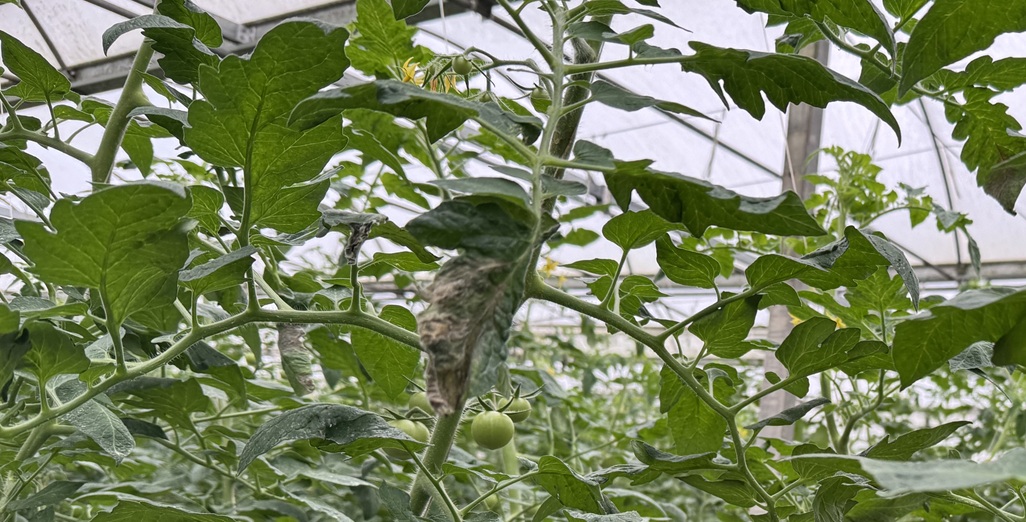
Low Light, High Disease Pressure and the Importance of Keeping Crops Generative. Winter is often the period that determines whether a crop finishes profitably or simply survives until spring. The next three months will test growers' ability to manage light, energy, disease pressure and plant balance more than any other time of the year. As light levels decline and cold, wet weather becomes more frequent, we begin to see the typical winter challenges emerge. Across a number of sites I have already noticed the first signs of Botrytis and blight appearing. Once conditions favour these diseases, they rarely move backwards without intervention.
June 15, 2026
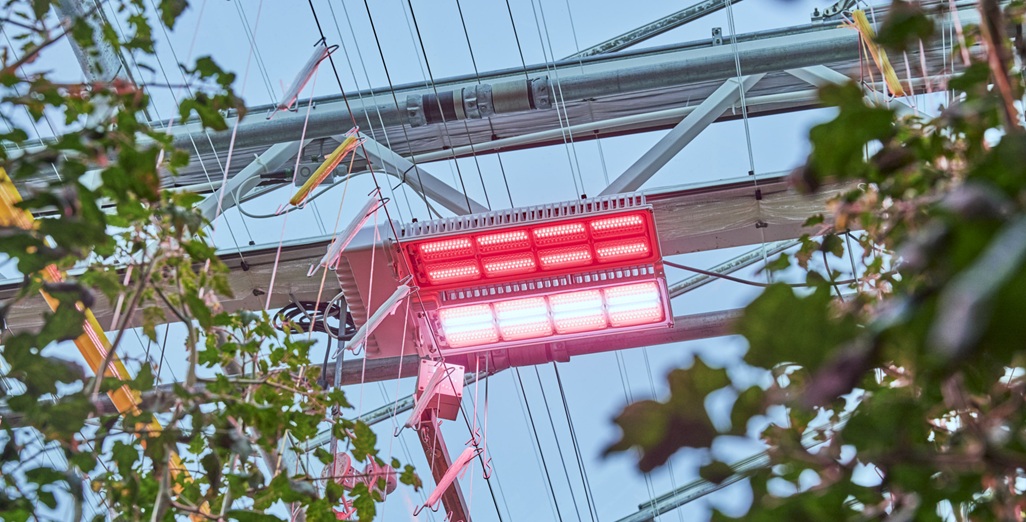
Signify expands Philips GreenPower LED toplighting force portfolio with tailored solutions for today’s diverse grower strategies
New Performance and Elite versions empower growers to optimize either upfront investment or long-term operational efficiency—without compromising on Philips quality
June 1, 2026
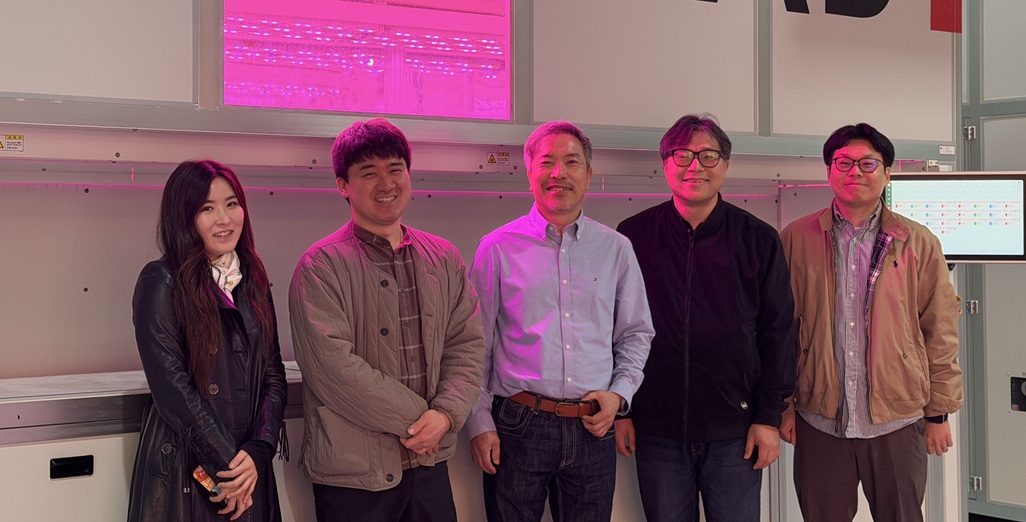
Signify: Developing next-generation cultivation systems that shorten growing cycles while maintaining consistent crop quality
Signify boosts crop productivity and cost competitiveness at Yonam University smart farming hub with intelligent Philips LED lighting
June 1, 2026
Ground-Source Heating: Lessons from a Leading UK Greenhouse Operation
An in-depth look at the ground-source heat pump system heating Stewarts Garden Centre in England and the opportunities this technology may offer commercial greenhouse growers in New Zealand. "Energy costs in the UK are currently extremely high compared with New Zealand. During discussions on site, electricity pricing was described as sitting around 22 pence per kWh, which converts to approximately NZ$0.50 per kWh. Considering those energy prices, the efficiency of the heating system was particularly impressive".
May 19, 2026
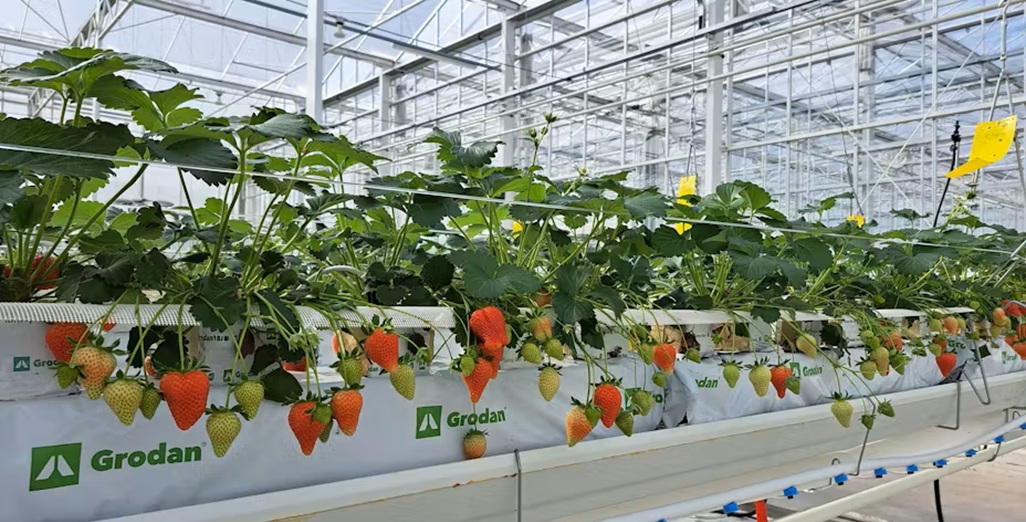
Demystifying stone wool for strawberry cultivation
“Stone wool can make it easier for growers to face some of the current challenges”
May 5, 2026
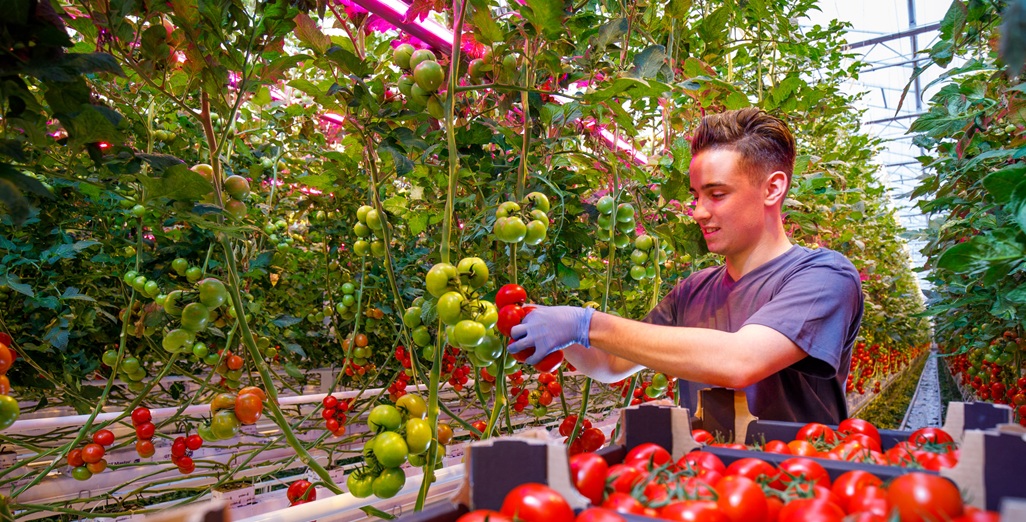
Turn sunshine into synergy and unlock higher yields year-round
How LED intercanopy lighting complements high radiation and transforms greenhouse production
CLASSIFIED