

Sign up here to subscribe to the Grower2grower Ezine. Every two weeks you will receive new articles, specific to the protected cropping industry, informing you of industry news and events straight to your inbox.
10
Sep 2019
Sep 2019
Pioneering Technology
Biotremology to Manage Pests. Plant & Food work with Italian Researchers
Scientists at Plant & Food Research are working with Italian researchers from Fondazione Edmund Mach who are pioneers in biotremology for field use and are looking at how this technology could complement or maintain current IPM programmes, providing a sustainable and species-specific tool that future growers can use to manage pests.
A vast array of insects produce vibrational signals. Sometimes these can be heard – like cicadas and crickets – but often we are not able to hear these sounds. Many of the pests which damage crops, such as the green vegetable bug and the tomato potato psyllid, use substrate-borne vibrational signals to communicate with each other.
One of the target species has been the tomato potato psyllid Bactericera cockerelli that vectors Candidatus liberibacter solanacearum a liberibacter that leads to zebra chips in potatoes and psyllid yellows in tomatoes as well infecting other Solanaceae. In the Ministry for Business Innovation & Employment-funded Realising Potato Exports Contract C11X1308, researchers have investigated how TPP communicate with each other in order to provide a new tool in the fight to reduce the impact of this pest.
One of the ways TPP chat with each other is to use the plant as their phone. They generate their vibrations by rubbing their wings against little combs on their bodies. The vibration is transmitted through the plant and is picked up by other TPP that are on the plant (or even neighbouring touching plants) and they respond. The response can be to either move closer or further away or send a message back.
Good vibrations – The tomato potato psyllid mating call
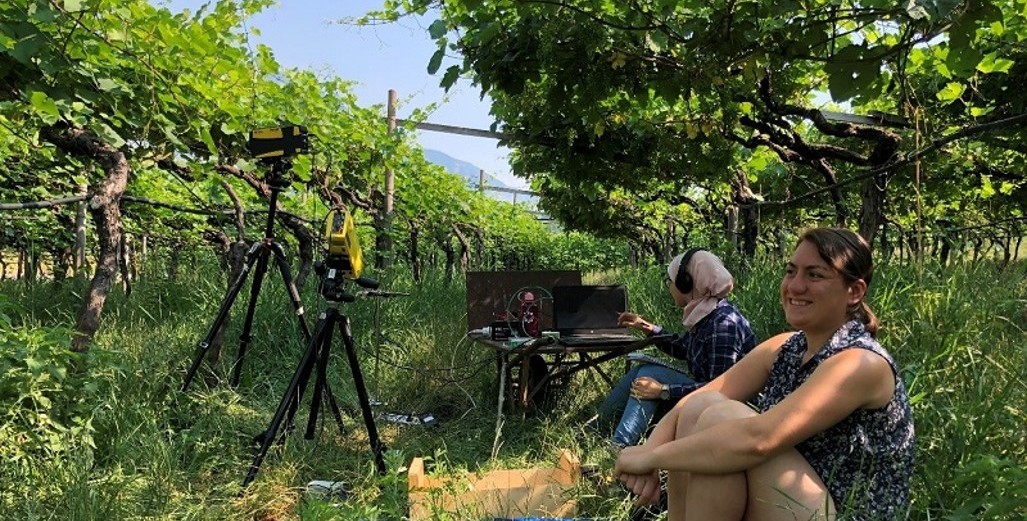
To understand what is being said in the conversation of nature, scientists first record the insect’s vibrational signals for the plant surface using a laser vibrometer. They then modify this signal to take into account the change in the signal as it has been transmitted through the plant. This modified sound is then transmitted back to the leaf with a mini-shaker. The synthetic signal is recorded again and compared to the original signal until the two signals match and the insect’s behavioural responses to the synthetic calls can be tested to see what the response of the individuals are: come here, go away, run.
It is still early days for the use of this technology for disruption or attraction of insect in the field, but promising results have been observed for the grape pest in a vineyard that is wired for sound by FEM staff.
What is Biotremology
While TPP has been the target here, at the current stage in understanding and sound playback technology, field biotremology is better suited to crops that uses a structure on which the sound can be played back along wires.
It is envisioned that if this can be realised it will be analogous to sex pheromones that have been used in New Zealand to attract or confuse insects, targeting vibrational communication will enable growers to manage new pests with limited environmental impact.

Researchers at Fondazione Edmund Mach are eavesdropping on stink bugs in the vineyard using two laser vibrometers. (Photo: Prof Max Suckling)
Article and content supplied by:
Lloyd Stringer
Scientist- Biosecurity
T: +64 3 977 7349
M: +64 21 232 7452
F: +64 3 325 2074
E: lloyd.stringer@plantandfood.co.nz
Skype: lloyd.stringer@plantandfood.co.nz
ORCID : Google Scholar : ResearchGate Publons
www.plantandfood.co.nz
The New Zealand Institute for Plant & Food Research Limited
Postal Address: Plant & Food Research
Private Bag 4704, Christchurch Mail Centre, Christchurch, 8140, New Zealand
Physical Address: Plant & Food Research
Canterbury Agriculture & Science Centre, Gerald St, Lincoln, 7608, New Zealand
I appreciate your comments. Please feel free to comment on the grower2grower Facebook page:
https://www.facebook.com/StefanGrower2grower/
CLASSIFIED










Subscribe to our E-Zine
More
From This Category

March 10, 2026
Australia’s horticulture sector has delivered a year of record‑breaking performance
Highest production value to date of $18.4 billion, up 6% on the previous year.
March 10, 2026
Energy saving through screens
A combination of screen use, screen quality, greenhouse climate requirements, and greenhouse equipment.
March 10, 2026
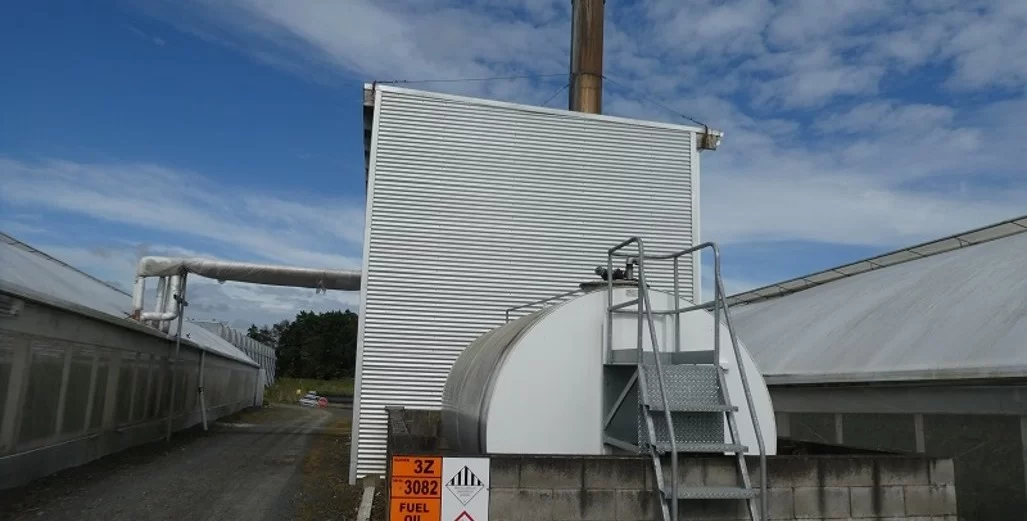
Heating Uncertainty Leaves Greenhouse Growers Searching for Answers
Waste oil supply changes force growers to reconsider long-term heating options ahead of winter. Two weeks ago I was alerted that one of the major recycled waste oil suppliers, based in the Auckland region, will soon stop supplying greenhouse growers. For one of my customers this came as a significant shock, particularly given that notice was given that deliveries will cease in the coming months –

February 10, 2026
MG Group partners with The Gut Foundation
Growing a healthier New Zealand together

January 27, 2026
Protected Cropping, Weather Extremes And Growth Potential
Extreme weather again highlights the role of protected cropping. During last week’s deluge across the North Island, significant damage is expected across many outdoor crops. Onions lying on the ground and attempting to dry will be particularly vulnerable, with prolonged saturation likely to result in quality losses and storage issues.
CLASSIFIED