

Sign up here to subscribe to the Grower2grower Ezine. Every two weeks you will receive new articles, specific to the protected cropping industry, informing you of industry news and events straight to your inbox.
28
Aug 2018
Aug 2018
Production Pitfalls (Part 1)
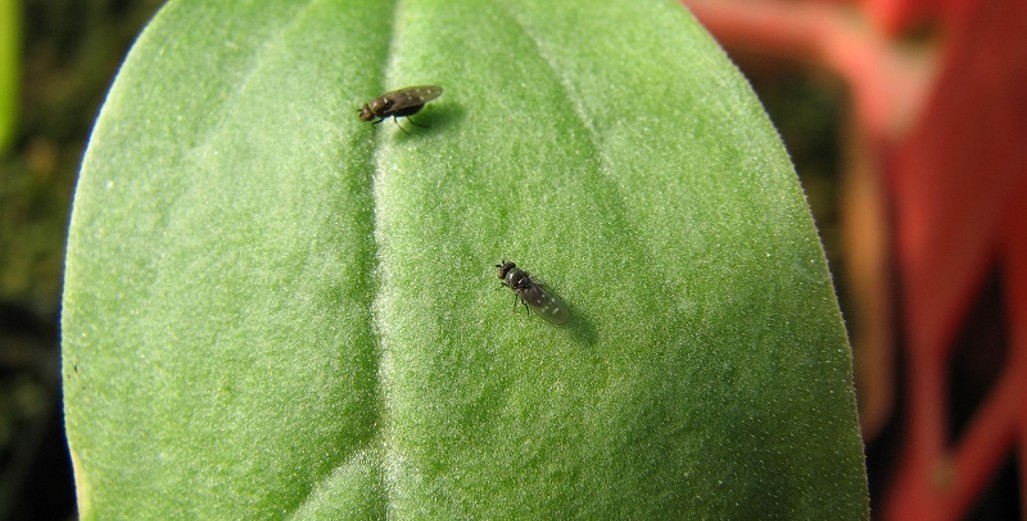
Fungus Gnat (and Sciarid Fly)
Paddy de Vries a hydroponic specialist in South Africa will be visiting New Zealand in October. Paddy has been in the South African covered crop industry since graduating from The University of Stellenbosch in 1987 with a BSc Agric and 2 BSc Hons. degrees. He has vast experience and has supplied me with insights into the South African greenhouse industry. Paddy wrote an excellent newsletter regarding 'production pitfalls'. Paddy has allowed Grower2Grower to publish this newsletter in a series of articles. The technical nature of the articles is relevant and applicable for NZ growers. In this edition, following on from the fantastic article supplied by Lincoln University I want to highlight the work Paddy has carried out studying Fungus Gnat and Sciarid Fly.
“The best approach to preventing a problem from taking hold, and painstaking process of ridding the crop of the malady is a three-pronged approach: Identification, prevention and, unfortunately for those infected, treatment” Paddy de Vries.
Fungus Gnat (& Sciarid Fly)
The Fungus Gnat (Mushroom Fly, Shore flies or Sciarid Fly) is endemic to all but new greenhouses and are found in damp areas near the soil/ root medium surface. At 23-34°C the life cycle can be as little as ± 10 days (egg-larva-pupa-adult) where approximately 100 new flies from each female can be the result. It is an extremely serious problem in all greenhouse situations in that the larvae damage roots, allowing for easy pathogen infection. The flies sit on infected areas and are mechanical vectors for diseases such as Pythium, Fusarium, Phytophthora spp., GSB, Pseudomonas spp. etc. The importance of controlling this pest is often overlooked in that the symptoms of other diseases, spread by the gnat, are treated, while re-infection continues unabated due to the presence of Fungus Gnat.
Identification
Small mosquito or fly-like black or grey insects (3 dark smudgy dots on the wings of some spp.) that “aimlessly” fly around the greenhouse near the medium surface, especially right after you water or disturb the soil. The adult midges are drawn to wet swampy areas where decaying plant material, algae and fungi proliferate. Eggs are laid in these damp areas. Other than most other insects, the adults are drawn to odours of plant decay (as is found on the damp medium surface and standing water in our structures) rather than colour (e.g. yellow chroma’s seen in commercial sticky traps). The larvae appear as tiny semi-transparent worms with a dark coloured head that move around in the top layer of soil, mainly feeding on decaying plant material, fungi and algae, but also feed on and damage roots.
.jpg)
Examples of Gnat Larva on Fruit and plant material. Above and below.
.jpg)
.jpg)
Adult Phase Identification: Small black or grey gnats (mosquito-like) with dark smudgy dots on wings.

Gnat pupae on growth-medium, in a highly infected greenhouse. Look closely and you can see a lot more than the two highlighted.
.jpg)
Fungus Gnat Pupae
Prevention
- Avoid over irrigation and identify areas in the greenhouse that have standing water with moss or algae growing there.Typical problem areas are: Run-off furrows, uneven floors where water pools, on top of nutrient irrigated growing medium.The most inexpensive first step in control is to treat these breading areas by spreading agricultural lime (NOT on growing medium), which will:
- “Dry out” the algal growth, and disguise the smell of the algae and moss, and
- Change the pH of the wet areas, which will make it less favourable for the fungus gnats to breed in.
- By breaking the life cycle at the larval stage, you will increase your chances of getting rid of the gnats.
- Ensure that all areas inside and within 20m of the structure is free of any weeds and freestanding water, as gnats may breed in these areas, entering the structures at the doors, windows and with personnel.
Treatment
- Large areas of yellow sticky traps are effective in reducing the number of fungus gnat adults if placed near the medium surface.
- By placing of a layer of e.g. Vermiculite on top of the medium, wet patches can be prevented since it dries out quickly after irrigation: Fungus gnats require moisture in the top few cm of medium in order to complete their life cycle.
- Few “hard chemicals” are really effective, and some can even have a suppressive effect on plant growth.
- A number of Biological control agents (“Beneficial’s”) for treatment against larvae are available that can be extremely effective in breaking the life cycle.
Potential Bio-Controls:
- Fungus: Beauvaria bassiana
- Bacteria: Bacillus thuringiensis isrealensis
- Predatory mite: Macrocheles robustulus
- Entomopathogenic nematode: Steinernema feltiae
.jpg)
Macrocheles robustulus. Against Eggs, larvae, pupae.
Article content “Brought to you by Intens Agri Hydro” For more information, feel free to contact Paddy de Vries or Liandra von Below de Vries at: into@intensagri.co.za or telephone +2783 420 1392
I appreciate your comments. Please feel free to comment below or on the grower2grower Facebook page:
https://www.facebook.com/StefanGrower2grower/
CLASSIFIED











Subscribe to our E-Zine
More
From This Category
March 10, 2026
Australia’s horticulture sector has delivered a year of record‑breaking performance
Highest production value to date of $18.4 billion, up 6% on the previous year.
March 10, 2026
Energy saving through screens
A combination of screen use, screen quality, greenhouse climate requirements, and greenhouse equipment.
March 10, 2026
Heating Uncertainty Leaves Greenhouse Growers Searching for Answers
Waste oil supply changes force growers to reconsider long-term heating options ahead of winter. Two weeks ago I was alerted that one of the major recycled waste oil suppliers, based in the Auckland region, will soon stop supplying greenhouse growers. For one of my customers this came as a significant shock, particularly given that notice was given that deliveries will cease in the coming months –

February 10, 2026
MG Group partners with The Gut Foundation
Growing a healthier New Zealand together
January 27, 2026
Protected Cropping, Weather Extremes And Growth Potential
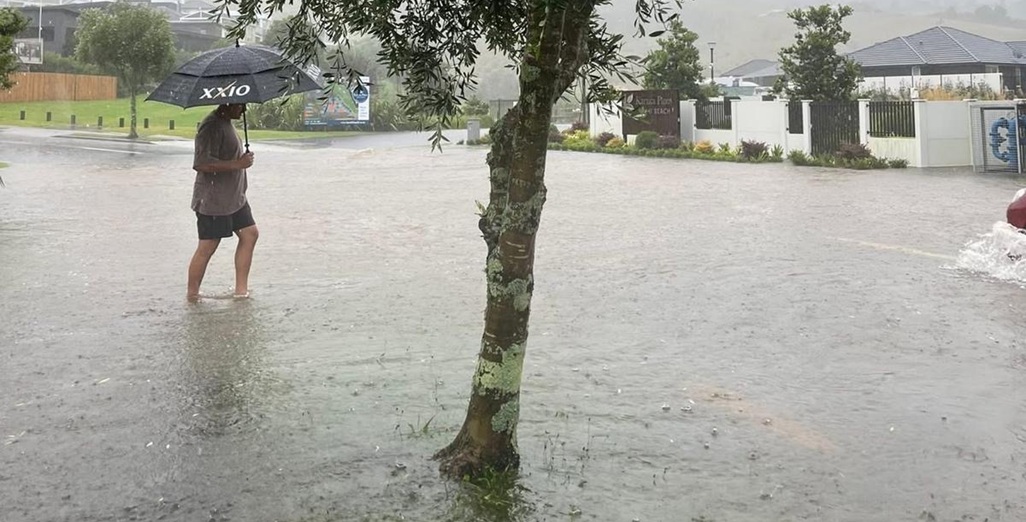
Extreme weather again highlights the role of protected cropping. During last week’s deluge across the North Island, significant damage is expected across many outdoor crops. Onions lying on the ground and attempting to dry will be particularly vulnerable, with prolonged saturation likely to result in quality losses and storage issues.
CLASSIFIED