
Sign up here to subscribe to the Grower2grower Ezine. Every two weeks you will receive new articles, specific to the protected cropping industry, informing you of industry news and events straight to your inbox.
27
Jan 2026
Jan 2026
Protected Cropping, Weather Extremes And Growth Potential
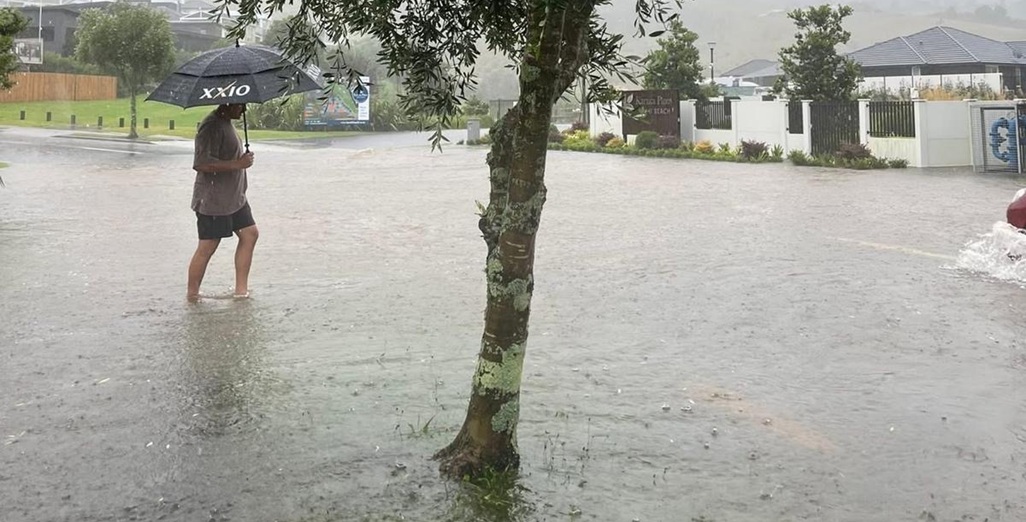
Extreme weather again highlights the role of protected cropping
Article by Stefan Vogrincic
During last week’s deluge across the North Island, significant damage is expected across many outdoor crops. Onions lying on the ground and attempting to dry will be particularly vulnerable, with prolonged saturation likely to result in quality losses and storage issues.
In the Bay of Plenty, rainfall totals equivalent to around two months fell within a 24‑hour period. The impact of this on summer crops, including kiwifruit, will take time to fully assess, but the consequences are unlikely to be minor.
At the same time, light levels across much of the North Island were extremely low from 20–22 January. As conditions clear, many greenhouse crops may show temporary wilting when high radiation returns suddenly. This typically results in short‑term production dips and an increase in disease pressure, particularly fungal issues. While inconvenient, these challenges are relatively minor compared with the losses faced by outdoor growers.
With scientists and climate data continuing to point toward more frequent and intense weather events, the importance of protected cropping for food security becomes increasingly clear.
The current scale of protected cropping
Greenhouse and other protected cropping systems (including tunnel houses) now represent an estimated farm‑gate value in the range of $600–900 million annually. This figure is an informed estimate rather than a precise calculation, reflecting the rapid conversion of berry, cherry, and other outdoor crops into protected systems over recent years.
Despite this value, protected cropping occupies a relatively small land area—estimated at roughly 400–550 hectares nationwide. This highlights the substantial opportunity for expansion. (noting NZ has 125,500 ha of horticulture land! – Stats NZ)
As well documented on the Grower2Grower website, growers face several constraints when assessing the feasibility of investing in protected cropping structures suited to different crops and regions.
Key barriers to expansion
The main barriers limiting growth of the sector include:
- Energy – Uncertainty driven by government policy, electricity pricing, and gas availability has made it difficult for heated crop growers to invest with confidence. Energy remains one of the largest operating costs for greenhouse businesses.
- Water – Access to clean water, along with restrictions around rainwater harvesting and large‑scale storage, remains a challenge. Ironically, consistent rainfall is one of New Zealand’s greatest natural assets—it has the potential to turn water into real economic value if it can be captured and used effectively.
- Labour – Rising labour costs and increasing compliance requirements place pressure on margins. This reduces grower confidence, slows expansion, and ultimately limits job creation.
- Transport – Both domestic and export logistics are constrained by transport costs and an often‑underperforming roading network.
- Markets (critical to success) – The kiwifruit industry provides a strong example, with over 90% of production exported globally. If capsicum and tomato growers could achieve lower costs of production, combined with new and existing free‑trade agreements, the potential scale of these industries could increase dramatically. Even exporting a multiple of current volumes would transform the sector.
- RMA and consenting – Resource consents and approvals remain complex, costly, and time‑consuming. For smaller growers in particular, the upfront cost and uncertainty can be enough to deter investment altogether.
Looking ahead
Greenhouse horticulture is exceptionally well suited to mitigating weather‑related risk. However, reliance on a single growing region creates vulnerability. Protected cropping needs to be geographically spread across the country to provide resilience against localised weather events and other natural disruptions.
If the barriers outlined above can be meaningfully addressed, protected cropping has enormous growth potential.
I will continue to make this point because New Zealand remains well placed, with strong natural resources and favourable growing conditions, to further develop this sector. Success will depend on stable international markets, practical shipping distances, and ongoing industry work to improve product shelf life and market readiness.
Cover Image: Captured from the BOP during last weeks non stop 24 hours of rain.
CLASSIFIED













Photo
Gallery





Subscribe to our E-Zine
More
From This Category
March 10, 2026
Australia’s horticulture sector has delivered a year of record‑breaking performance
Highest production value to date of $18.4 billion, up 6% on the previous year.
March 10, 2026
Energy saving through screens
A combination of screen use, screen quality, greenhouse climate requirements, and greenhouse equipment.
March 10, 2026
Heating Uncertainty Leaves Greenhouse Growers Searching for Answers
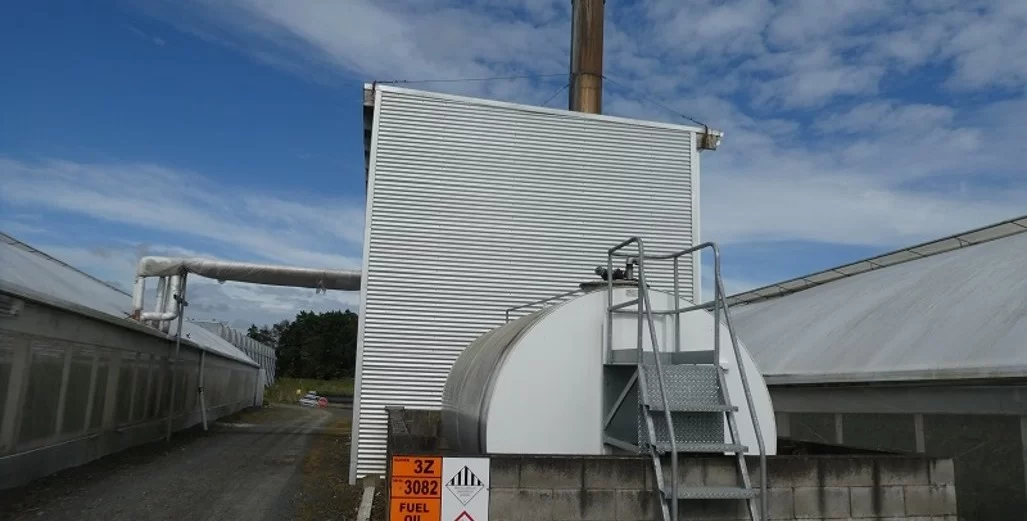
Waste oil supply changes force growers to reconsider long-term heating options ahead of winter. Two weeks ago I was alerted that one of the major recycled waste oil suppliers, based in the Auckland region, will soon stop supplying greenhouse growers. For one of my customers this came as a significant shock, particularly given that notice was given that deliveries will cease in the coming months –

February 10, 2026
MG Group partners with The Gut Foundation
Growing a healthier New Zealand together
January 27, 2026
Protected Cropping, Weather Extremes And Growth Potential
Extreme weather again highlights the role of protected cropping. During last week’s deluge across the North Island, significant damage is expected across many outdoor crops. Onions lying on the ground and attempting to dry will be particularly vulnerable, with prolonged saturation likely to result in quality losses and storage issues.
CLASSIFIED