
Sign up here to subscribe to the Grower2grower Ezine. Every two weeks you will receive new articles, specific to the protected cropping industry, informing you of industry news and events straight to your inbox.
23
Dec 2021
Dec 2021
Retail vs Food Service
Retail vs Food Service
The battle for market share is shifting and we should be aware
“Why will consumers buy more of what hydroponic farmers produce” was the topic presented by Martin Kneebone from Freshlogic. The presentation focused on his company’s analysis to deliver a set of views on emerging market trends and how they are poised to drive changes in the food market. The presentation was fascinating and thought provoking.
Demand Drivers
I was intrigued in how our shopping behaviour, in particular where we buy our food from, has changed in the last 18 years. It is now common for more than one person in the household to be working which has increased the need for convenience shopping. This has become an important consideration when analysing food purchasing habits. Less time at home means less time to prepare food. Eating out and buying pre-packaged ingredients ready for cooking, such as ‘my food bag’ has made a dent in retail purchasing. The introduction of Uber Eats, where food prepared by the food service delivered straight to your door by ‘taxi’ drivers, is changing the landscape for some restaurants, who are seeing less customers through their doors especially in the winter. With change comes new opportunities, growers should be aware of when seeking new markets to sell their products.
In Australia, food service attributed to approximately 26% of food sales in the year 2000, in the past eighteen years that has increased by 8% to 34%!! This has meant a reduction in retail or supermarket shopping from 74% to 66%. These numbers are not to be sniffed at and are keeping retail marketing teams on their toes. But even supermarkets cannot change how people live their lives. They need to adapt, like all business trying to maintain or increase a piece of the pie. Competition is only a good thing for consumers.
“Technology is now at warp speed”
Previously technological advances have been talked about in years but now they are talked about in months. Martin feels this has implications for the food industry. Google’s new smart home technology will collect information regarding everything in our lives, from what we watch on tv to what we like to eat, how much power we use, how much we wash our clothes etc etc the list goes on and on! With the introduction of smart home technology, the ordering and purchasing of food will be easier and more convenient. This information will be commercially priceless! Facebook was recently in the news for commercially sensitive information being used for potential gain, but this new form of technology will make that seem insignificant
Waste and Packaging
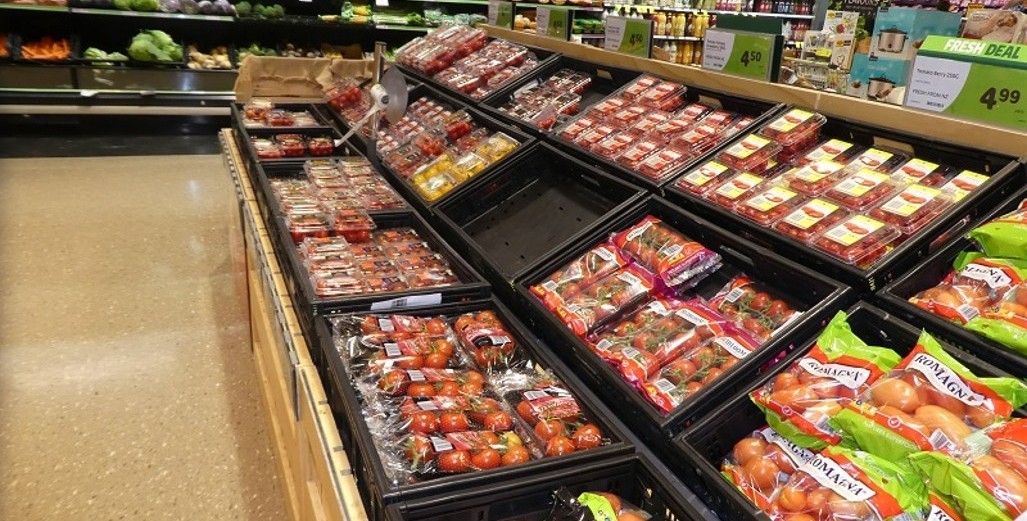
Supermarkets are under pressure to reduce plastic and taking measures to stay ahead of what could be impending government legislation. Now that certain countries are not taking recycled plastic it is becoming a matter of urgency. Most supermarkets are phasing out plastic bags to carry our goods home but this is just the first step. The next step will be for supermarkets to look at certain packaging, vegetables will be at the front of the firing line. It is only a matter of time before the packaging of our products comes under the microscope, as you can see from the photo below we use a lot of it. Whether it be for tomatoes, capsicums or telegraph cucumbers. The message I took away from the presentation was try and be ahead of what is coming, find solutions before we are forced too by government or supermarkets.
It does strike me as interesting, I want to know how other products that we purchase could be packaged alternatively in the future E.G milk, meat and poultry, frozen goods, soft drinks, potato chips, pre-made packaged salads, actually almost everything I can think of in the supermarket! In perspective removing the plastic bags from checkouts is a feel-good exercise but never the less a good thing which has opened a can of worms. I just hope that all suppliers of goods using plastic packaging are all treated fairly.
Below are several points why consumers will potentially want to buy more of what hydroponic farmers grow:
- Providing better eating quality than other production systems.
- Meeting convenience needs in size, portability and portion.
- Understanding how hydroponic food’s sustainably produce fresh food
- Helping households reducing food waste with smaller portions.
- Using packaging systems that make new levels of recycling possible while maintaining supply chain functionality.
What can we do as either growers or marketers to increase the consumption of hydroponic foods:
- Investing and developing the food service channels so that they understand and build menus around hydroponic food produced product.
- Maintaining support from major retailers through acknowledgment of the higher value products that hydroponic food’s produce.
- Keeping the “Smart Household” gatekeepers aware of the hydroponic food’s production outputs how these products are already well suited to AI systems.
All of these points are food for thought.

These photos were taken at my local supermarket. As you can see we use a tremendous amount of plastic in our packaging. The point made during the presentation is be prepeared as this packaging will come under the microscope.

I appreciate your comments. Please feel free to comment below or on the grower2grower Facebook page:
https://www.facebook.com/StefanGrower2grower/
Article Written by Stefan Vogrincic, Consultant, Grower2Grower
CLASSIFIED










Subscribe to our E-Zine
More
From This Category

February 10, 2026
MG Group partners with The Gut Foundation
Growing a healthier New Zealand together

January 27, 2026
Protected Cropping, Weather Extremes And Growth Potential
Extreme weather again highlights the role of protected cropping. During last week’s deluge across the North Island, significant damage is expected across many outdoor crops. Onions lying on the ground and attempting to dry will be particularly vulnerable, with prolonged saturation likely to result in quality losses and storage issues.
January 27, 2026
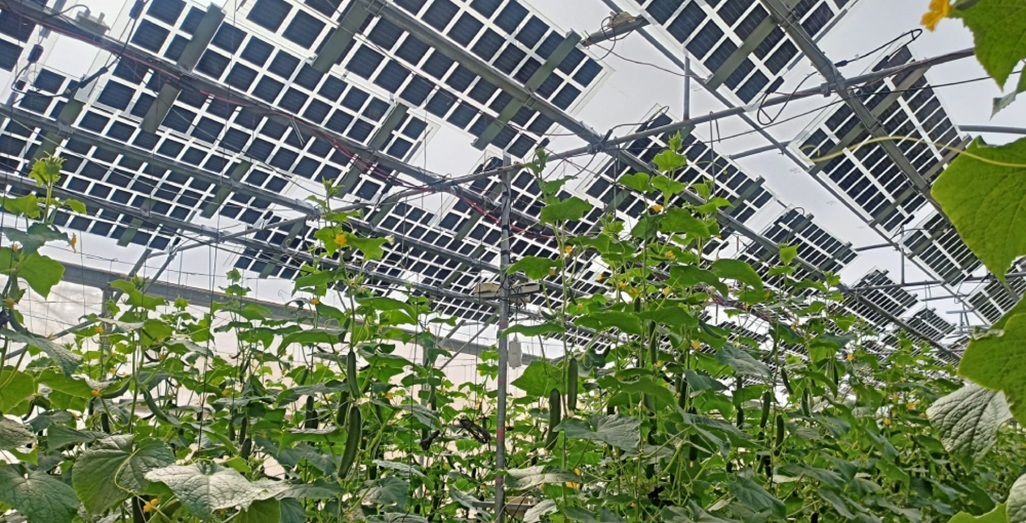
Agrivoltaics in Greenhouses Turning Sunlight into Energy and Crops
The EU is rapidly increasing its renewable energy targets, with solar power playing a central role in achieving these goals
January 12, 2026
Response to fruit fly find in Mt Roskill continues
The recent detection of a Queensland fruit fly in Mt Roskill and the resulting biosecurity controls on fresh produce movement highlight the very real risk this pest poses to New Zealand’s horticulture sector.
CLASSIFIED