
Sign up here to subscribe to the Grower2grower Ezine. Every two weeks you will receive new articles, specific to the protected cropping industry, informing you of industry news and events straight to your inbox.
2
Aug 2021
Aug 2021
Tropical Fruit Crops (Part 1)

Developing a Tropical Fruit Industry for the Domestic Market is Enhanced (Part 1)
By Dr Mike Nichols
There is little doubt that global warming is going to result in the warmer areas of New Zealand being able to seriously consider the economics of producing some of the tropical fruits we occasionally import or enjoy when overseas. There is already an increasing interest in the growing of banana (see Nichols, 2021), and this will result in a growing interest in other tropical fruits such as pineapple, mango, papaya, lychee and perhaps even such “exotic” tropical fruits as rambutan, longan, mangosteen, and perhaps even durian. There are of course, sound biosecurity reasons for limiting the importation of exotic fruits (eg fruit fly etc).
Over the past 50 years there has been on going interest in the potential of growing tropical fruits in New Zealand. These have been directed at the selection of areas where the microclimate was more suitable. With the development of relatively cheap plastic greenhouses, and global warning, the prospect of developing a tropical fruit industry for the domestic market is enhanced.
The downside is that to produce these crops affectively will require some form of protected cropping (greenhouses) and in some cases supplementary heating.
There is a looming shortage of electricity in New Zealand for the future particularly as we move rapidly away from carbon dominated energy sources. With the bulk of the population in the North Island and Manapouri sourced electricity for the foreseeable future committed to the aluminium smelter there is an urgent need for more environmentally friendly electrical generation in the North Island. Of course, New Zealand has an advantage over many temperate countries, and that is access geothermal energy.
The new development by Contact Energy of the Tauhara geothermal power project near Taupo, with it’s Geothermal Energy Park, may well provide this opportunity. However, heating does not have to be geothermally based, in fact in the Netherlands growers are looking at the possibility of sourcing heating from only a few hundred metres below the soil surface, as the temperature rises by about 2°- 3° C per 100 m in depth. This geothermal gradient is, however, not the same all over the world but can range from 1° to 5° C/100 m. This type of system can almost be regarded as a heat pump, with warm air in the summer being pumped underground during the summer (to cool the greenhouse), and heat being extracted from the ground in the winter months.
Pineapples:
There is really nothing unique about the growing of pineapples in temperate countries. Back in the 19th Century the rich and powerful in England grew pineapples in very well heated greenhouses (called pineries), essentially to demonstrate their affluence. Currently, however, the majority of pineapples consumed in New Zealand are imported by sea from the Philippines, where they are grown by Dole in a massive plantation at Polomolok. Because of this they must be harvested ahead of optimum maturity, and are a variety suited both for processing (canning) and for fresh market.
There are small areas of pineapples currently being grown in New Zealand, some in the field (where the microclimate allows), but essentially, I consider that pineapple production in New Zealand requires some form of protected cropping, as I noted during a visit to the Canary Islands (see photo) where the climate is a little bit warmer than Northland. In fact pineapples would almost certainly respond to supplementary heating in the cooler parts of the year.
Pineapple is, in fact a unique type of plant. It has developed the ability to close its stomata on the leaves during the heat of the day, and only open them during the late afternoon and night, so as to reduce water loss by transpiration. This, of course, prevents carbon dioxide being taken up by the plant for photosynthesis. However, the pineapple has a unique system called CAM photosynthesis in which the stomata are open at night and carbon dioxide is converted into malic acid and stored in the plant cells, and converted into carbohydrate during the day time. The plant also has the ability to store water in it’s succulent leaves and the leaf axiles. Nevertheless, it would appear that pineapple will respond to irrigation, as root growth ceases at flowering, and water stress can reduce the number of fruitlets and fruit weight.
The main question then is whether for a high value greenhouse crop whether using hydroponics might be a better approach than a soil-based system.? Certainly, the advantages of hydroponics over soil for the majority of high value greenhouse crops is clear. Whether the New Zealand public is prepared to pay extra for a fresher product, harvested closer to maturity (and therefore hopefully sweeter) only time will tell.
What is certain is that pineapples crop best in warm temperatures, and that New Zealand is really not warm enough for good production unless we take advantage of modern technology.


Canary Islands

Part 2 of this article will be posted in the next edition of G2G.
I appreciate your comments. Please feel free to comment on the grower2grower Facebook page:
https://www.facebook.com/StefanGrower2grower/
CLASSIFIED












Subscribe to our E-Zine
More
From This Category
January 27, 2026
Protected Cropping, Weather Extremes And Growth Potential
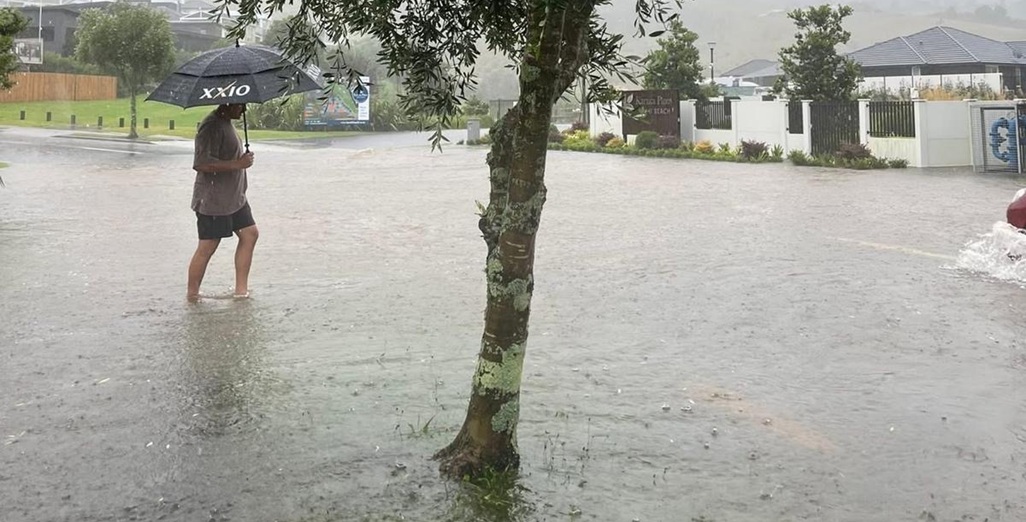
Extreme weather again highlights the role of protected cropping. During last week’s deluge across the North Island, significant damage is expected across many outdoor crops. Onions lying on the ground and attempting to dry will be particularly vulnerable, with prolonged saturation likely to result in quality losses and storage issues.
January 27, 2026
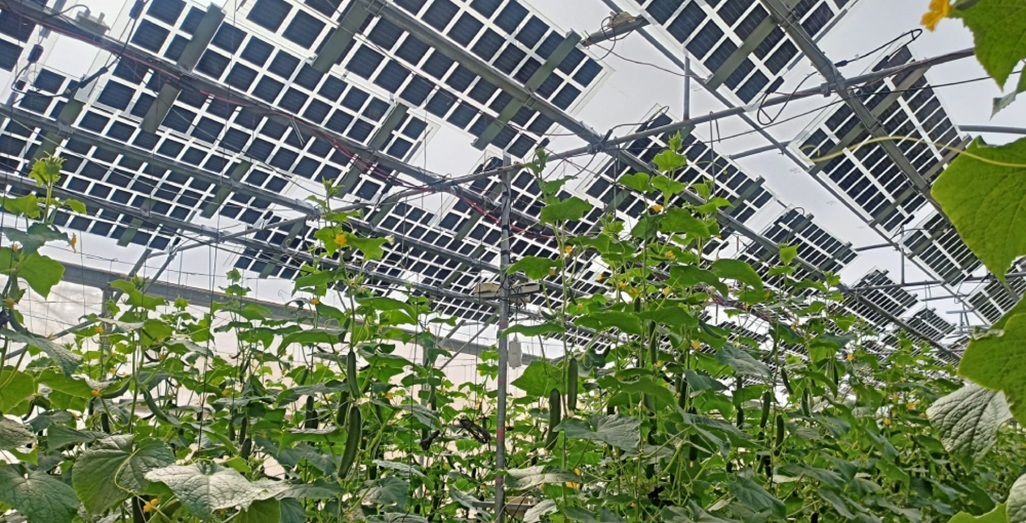
Agrivoltaics in Greenhouses Turning Sunlight into Energy and Crops
The EU is rapidly increasing its renewable energy targets, with solar power playing a central role in achieving these goals
January 12, 2026
Response to fruit fly find in Mt Roskill continues
The recent detection of a Queensland fruit fly in Mt Roskill and the resulting biosecurity controls on fresh produce movement highlight the very real risk this pest poses to New Zealand’s horticulture sector.

December 29, 2025
Best of 2025 – Tomato Prices on the rise as winter begins to bite
Farmgate values solid in New Zealand and Australia. In New Zealand, farmgate values (FGV) for the standard large loose round tomato are pushing into the $7–$8/kg range this week — a significant jump. Meanwhile, retail prices have soared, with some stores charging as much as $14.99/kg for loose rounds as of Monday.

December 29, 2025
Best of 2025 – Velifer – A New Tool in the Tool Box to help control Whitefly and other Greenhouse Insect Pests Approved by EPA
Naturally effective pest management for protected crops (BASF). Velifer® Biological Insecticide adds a new dimension to the management of a wide range of key insect pests within protected cropping structures. Velifer will help manage populations already controlled by conventional knockdown pesticides and complements the use of beneficial insects.
CLASSIFIED