

Sign up here to subscribe to the Grower2grower Ezine. Every two weeks you will receive new articles, specific to the protected cropping industry, informing you of industry news and events straight to your inbox.
16
Aug 2021
Aug 2021
Tropical Fruit Crops (Part 2)
Papaya, Mango, Lychee, Longan, Rambutan and Durian
Part 2 of the fascinating possibilities of tropical fruit production using protected cropping in NZ – By Dr Mike Nichols
Papaya:
Several years ago, there was some interest in the production of a papaya like fruit (called babaco) in New Zealand. It never really caught on, perhaps because it is inferior in taste (being less sweet) than the standard papaya. Papaya is now grown in southern Europe in plastic greenhouses (at Almeria (37N) in southern Spain). (Hueso et al., 2019) This is similar in latitude to Kaitaia, but due to it’s Mediterranean climate is slightly cooler in winter and warmer in summer than Kaitaia. An international symposium on papaya is scheduled for 2023 in Almeria, where greenhouse production will obviously be discussed.
Greenhouse production of papaya in southern Spain for the European market means that the fruit can be harvested closer to maturity, and therefore much sweeter and attractive, compared with fruit which must be harvested slightly immature when grown in the tropics. Freight costs are also reduced.
There is some talk of the Cook Islands growing Papaya for New Zealand, (Fotheringham, 2021) but (in my view) this has three major constraints, namely: the need to treat the fruit against fruit fly before it enters New Zealand: the airfreight costs: and the lack of modern horticultural knowledge in the Cook Islands.
Papaya can be grown from seed, which poses some problems in that plants can be either male or female or hermaphrodite, and it is only the hermaphrodite plants that are required. This means that the seedlings must be grown on until they flower, in order to select only the hermaphrodite plants. A long term prospect may be the grafting of selected scions onto a seedling rootstock. Intenzza (a hybrid from Mexico) is currently the most popular variety for greenhouse production and can reach yields of 200t/ha in a 2-year cropping cycle. For greenhouse production precocious cultivars of moderate height are desirable.
Winter temperatures appear to be the important determinate of crop production and quality, and some heating during the winter may provide valuable economic advantages.
Like most crops they are likely to perform better if grown hydroponically.
Mango:
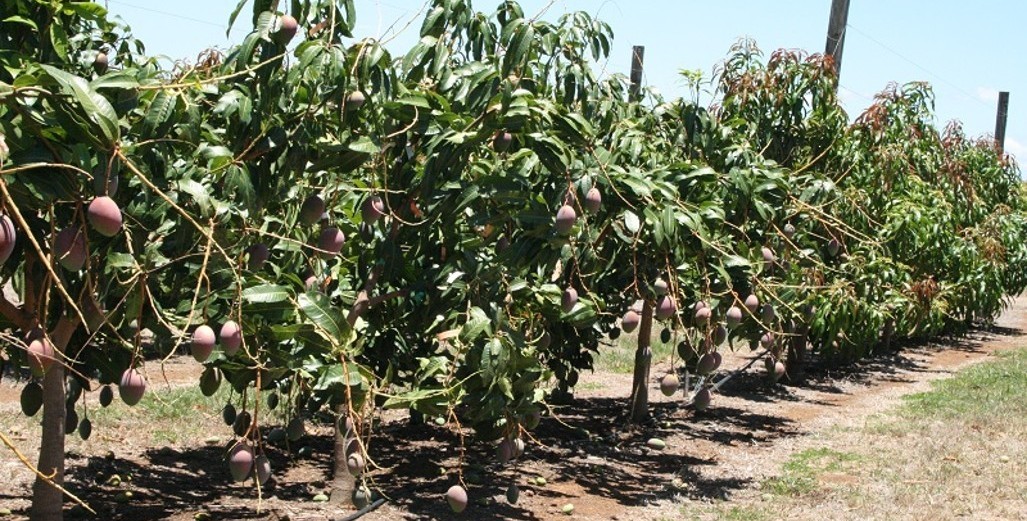
Virtually all the fresh mangos sold in New Zealand are sourced from Australia's Queensland and Northern territory, where they are grown in large plantations. Fruit fly is the major consideration for export to New Zealand. Most mango trees are large and would be totally unsuited to any form of protected cultivation, but the development of dwarfing root stocks opens up the potential for high density plantings of easy to harvest fruit on trees only 3-4 m tall (see photo). Although the control of flowering of mangos is not fully understood, it would appear that drought followed by rain are important. ie like many of the tropical fruit crops (see Salakpetch, 2008) flowering is triggered by rain following floral imitation during a dry period. The only real question is what the potential might be in growing the plants (trees) hydroponically. There is no doubt that hydroponics offers considerable advantages in crop production over growing in the soil (see Gruda, 2021), e.g. better moisture control, efficient nutrient management etc. The question is how does it measure up in dollars of profit?

Lychee, Longan & Rambutan:
These all belong to the same plant family (Sapindaceae), and it appears from the literature that flower initiation requires a drought stress, followed by rains. High tunnels (as rain shelters) will provide the opportunity to drought stress the trees—particularly if they are grown hydroponically in large pots rather than in the soil. Control of flowering should also provide a significant control of plant vigour, and thus enable to trees to be grown in a dwarf manner.
Durian:
We are unlikely ever to see Durian fruit imported into New Zealand. It has a disgusting smell yet has a very pleasant taste and texture. For this reason, it is described as the king of the tropical fruits. On one of my visits to Malaysia I was given a durian fruit by a former student but was refused entry into my hotel until I had eaten it. It is certainly persona non grata on aeroplanes!! I am sure that it would find a ready market if it could be successfully grown in New Zealand.
Other tropical fruits?
There is a wide range of other tropical fruits which deserve to be grown in New Zealand. Many of them have already been tried, but with mixed success. With global warming and the additional protection afforded by relatively cheap plastic clad greenhouses the potential is excellent. New Zealand's unique freedom from fruit fly might one day even open up a market for exporting tropical fruit to Japan!.
Click on the link to read Part 1 of Dr Nichols article: news/post/tropical-fruit-crops–part-1-/
Reference
Carr., M K V (2012) “The water relations and irrigation requirements of pineapple (Ananas comosus var. comosus): A REVIEW" Experimental Agriculture 48(04)
Fotheringham C (2021) “Growing interest in pawpaw exports” Cook Island News 26 May 2921.
Gruda N S (2021) “Advances in horticultural soilless culture”. Burleigh Dodds 424 pp.
Hueso, J J , Salinas, I, Pinillos, V & Cuevas, J (2019) “Papaya greenhouse cultivation in south-east Spain” . Acta Hort, 1250, 1,5
Nichols M A (2021). “Going bananas” Orchardist, 94 (2), 58-59.
Salakpetch, S (2008) “Cultural practises and physiology of some valuable tropical fruits in Thailand”. Acta Hort. 787, 231-239.
I appreciate your comments. Please feel free to comment on the grower2grower Facebook page:
https://www.facebook.com/StefanGrower2grower/
CLASSIFIED











Subscribe to our E-Zine
More
From This Category

February 10, 2026
MG Group partners with The Gut Foundation
Growing a healthier New Zealand together
January 27, 2026
Protected Cropping, Weather Extremes And Growth Potential
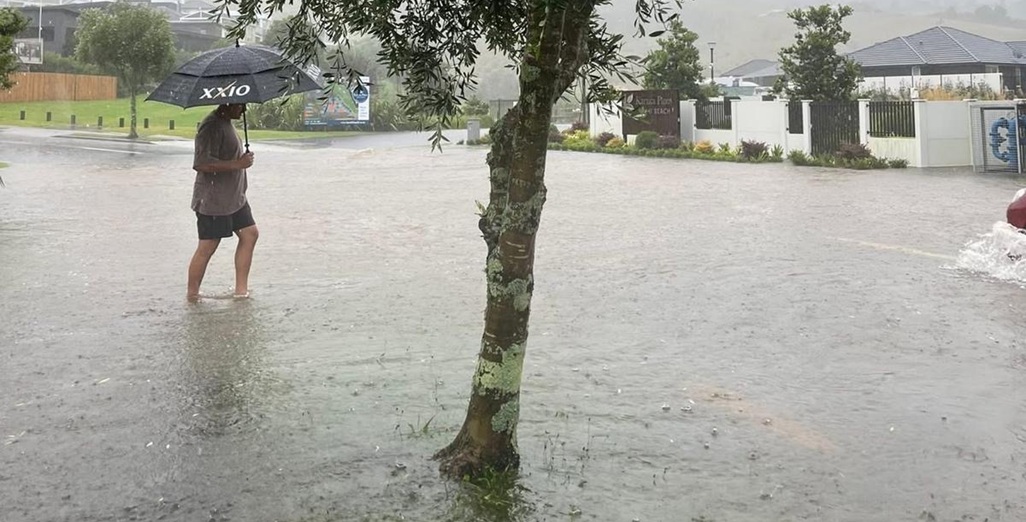
Extreme weather again highlights the role of protected cropping. During last week’s deluge across the North Island, significant damage is expected across many outdoor crops. Onions lying on the ground and attempting to dry will be particularly vulnerable, with prolonged saturation likely to result in quality losses and storage issues.
January 27, 2026
Agrivoltaics in Greenhouses Turning Sunlight into Energy and Crops
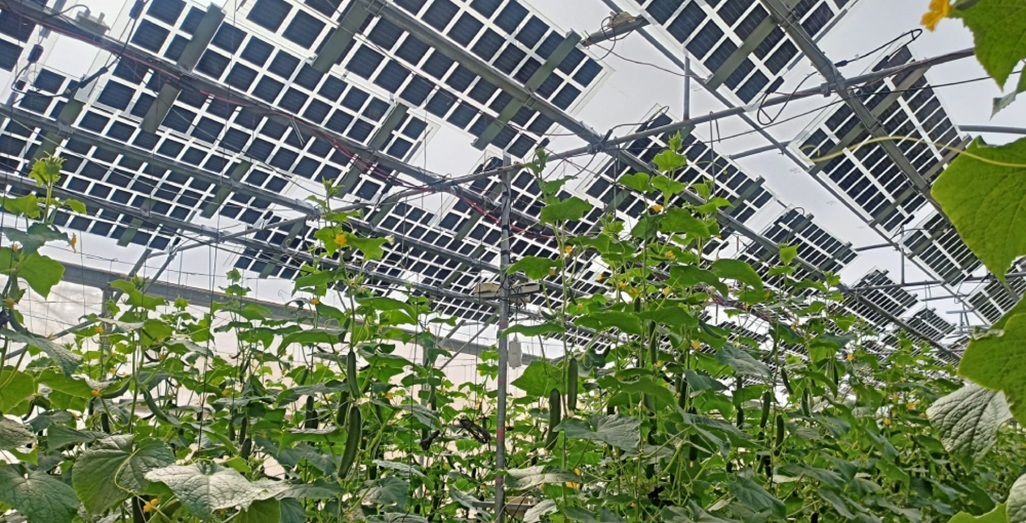
The EU is rapidly increasing its renewable energy targets, with solar power playing a central role in achieving these goals
January 12, 2026
Response to fruit fly find in Mt Roskill continues
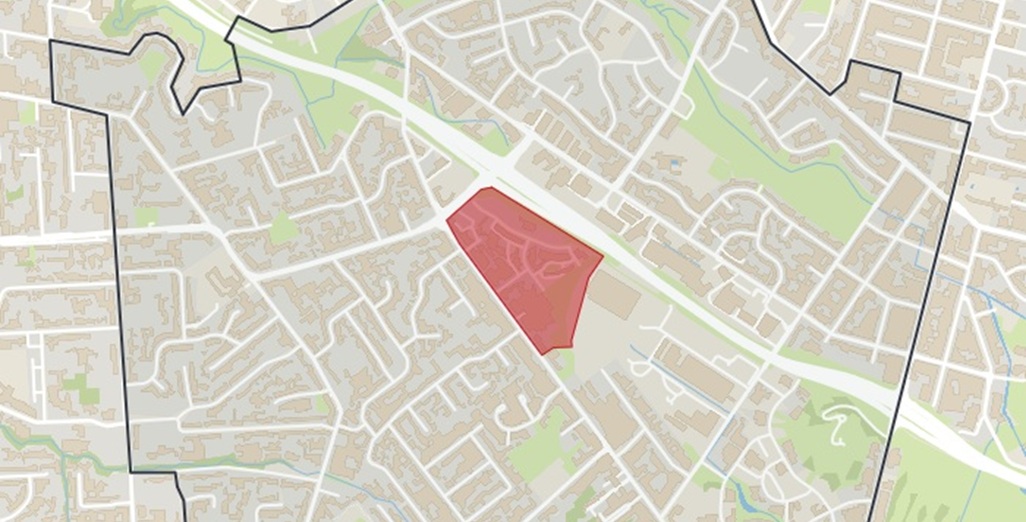
The recent detection of a Queensland fruit fly in Mt Roskill and the resulting biosecurity controls on fresh produce movement highlight the very real risk this pest poses to New Zealand’s horticulture sector.
CLASSIFIED