

Sign up here to subscribe to the Grower2grower Ezine. Every two weeks you will receive new articles, specific to the protected cropping industry, informing you of industry news and events straight to your inbox.
23
Nov 2021
Nov 2021
Warm Nights
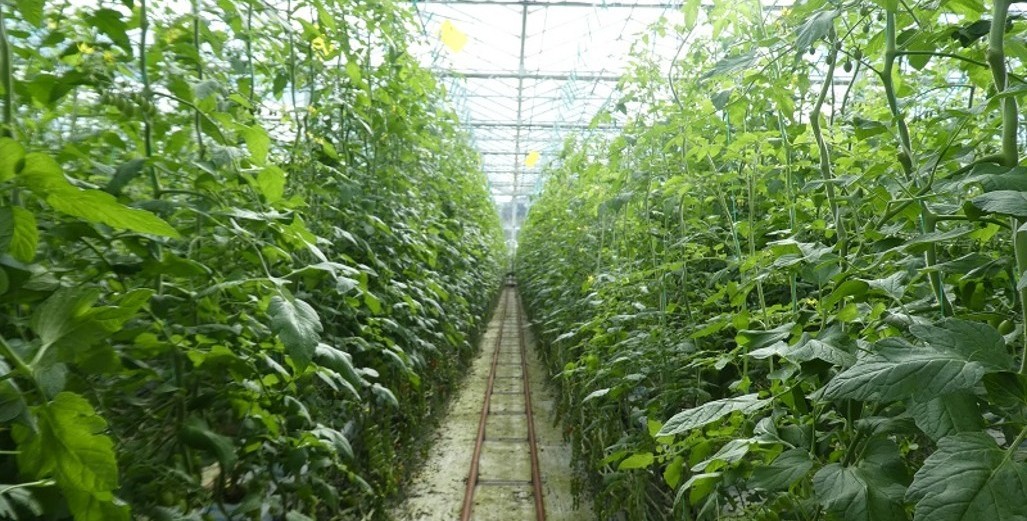
Good for the energy bill but not ideal for the crop
Recently it has been noticeably muggy and warm during the night. This is great for the energy bill but if you are growing tomatoes and are in the warmer parts of the country fruit size could be affected. If you are a capsicum grower you will be quite happy if the light is sufficient, and plants will not abort after several days of dull humid weather. With the warm nights has also come some patchy weather. The light meters are all over the place, with high light readings one week and much lower than expected the following week. Over a month it will average out but the inconsistent in and out weather will be causing some irritating issues.
For older crops protecting the plants and the fruit quality is going to be critical heading towards Christmas and historically low prices. ReduFuse, or diffused coatings, is a no brainer especially if you are having quality issues and the vigour of the crop has diminished. This is not just for tomatoes but all crops that will perform much better with protection (not shading) from the harsh sun. Some nursery crops may benefit from Reduheat products. ReduHeat is a removable coating that reflects the heat rays (infrared) of the sun. The transmission of grow light (PAR) remains high. … It is suitable for crops that thrive on large amounts of light but need protection against heat.
It is also very important to monitor the irrigation daily and decide if you are starting the watering early enough and ending the day at the correct time. Certainly, if it is warmer than normal at night then the natural evaporation/dry-down occurring may catch you off guard. Some substrates may be drying more than you would expect for this time of the year. You may require night shots or adjust your start times to maintain target figures. If you have graphs of water content or weigh scales, then I would be looking for that sharp drop in the morning period when the plant is actively taking up water again. If you see a sharp decline or drop then you have started the irrigation too late.
There is a train of thought that if you don’t wait until you see the drop how do you know when it is too early? This is fair and I agree with that in the winter but not now when plants in New Zealand have extreme weather to cope with. Our climate is harsh on crops during the summer. Making sure they have replenishment early and are ready for the long day ahead is very important.
To navigate what could be a challenging growing summer consider what you may require to ensure crop health. The weather has been unsettled enough and with a hot summer predicted I would consider protecting an older crop with a coating on my roof.

Article written and compiled by Stefan Vogrincic
All Article’s checked and edited by Marie Vogrincic
I appreciate your comments. Please feel free to comment on the grower2grower Facebook page:
https://www.facebook.com/StefanGrower2grower/
CLASSIFIED









Photo
Gallery


Subscribe to our E-Zine
More
From This Category
September 7, 2026
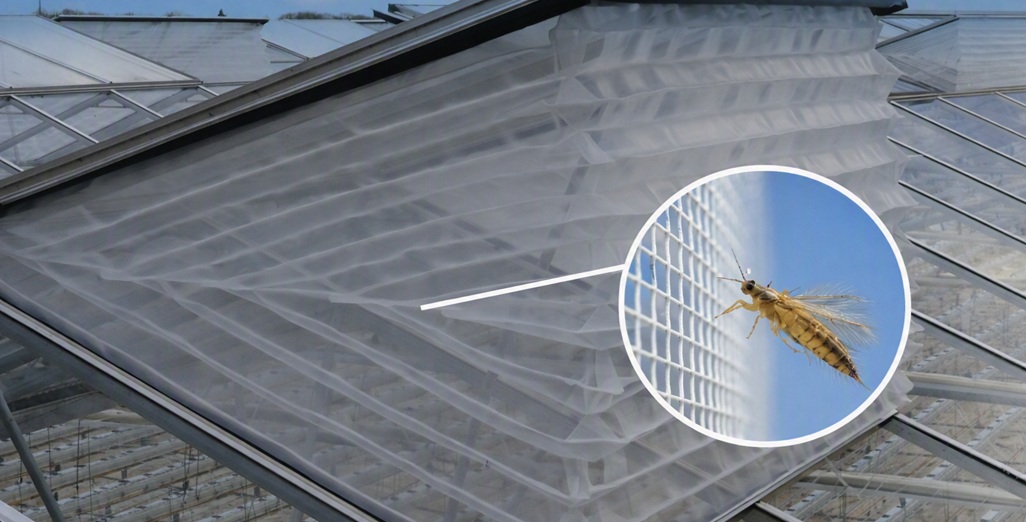
Keeping the Door Shut: Are Insect Screens the Next Step in Greenhouse IPM?
As thrips and other pest pressures continue to increase, it may be time to rethink how we stop pests entering the greenhouse in the first place. As we head into spring, and following the recent Mini Covered Cropping NZ Conference, one pest issue continues to stand out: the ever-increasing threat posed by thrips.
August 11, 2026
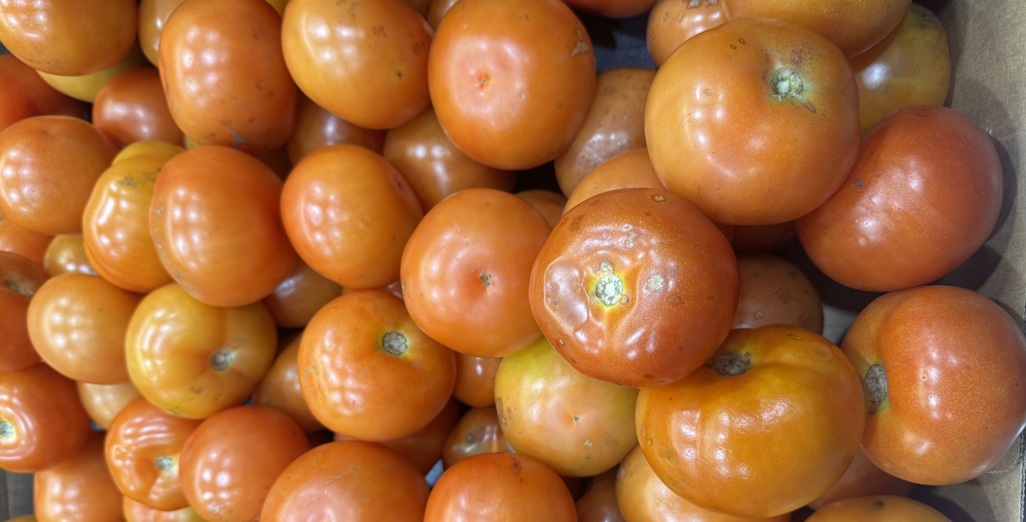
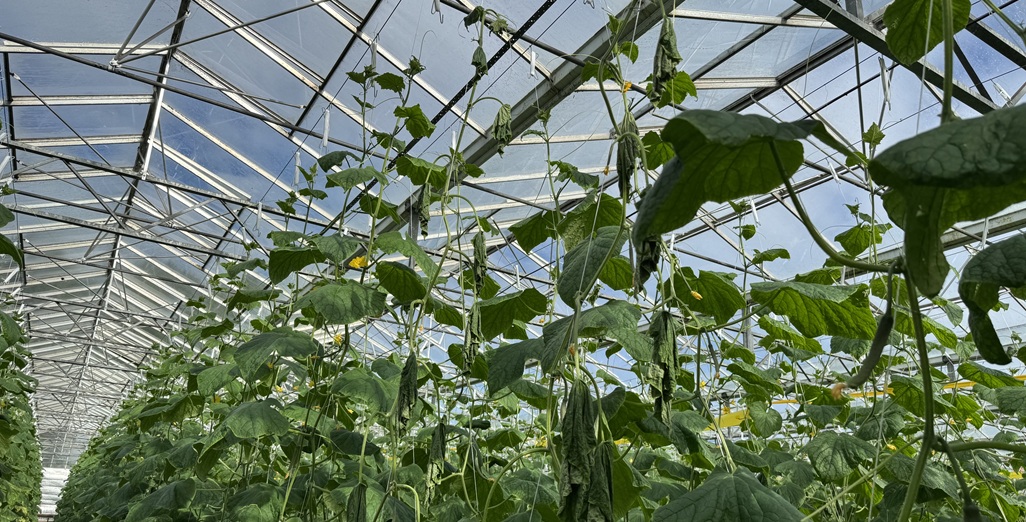
Cucumber Grafting: Insurance Policy or Unnecessary Cost?
Grafting can provide a stronger root system and valuable insurance against root-zone problems – but it won’t protect the canopy from fungal disease.
July 27, 2026
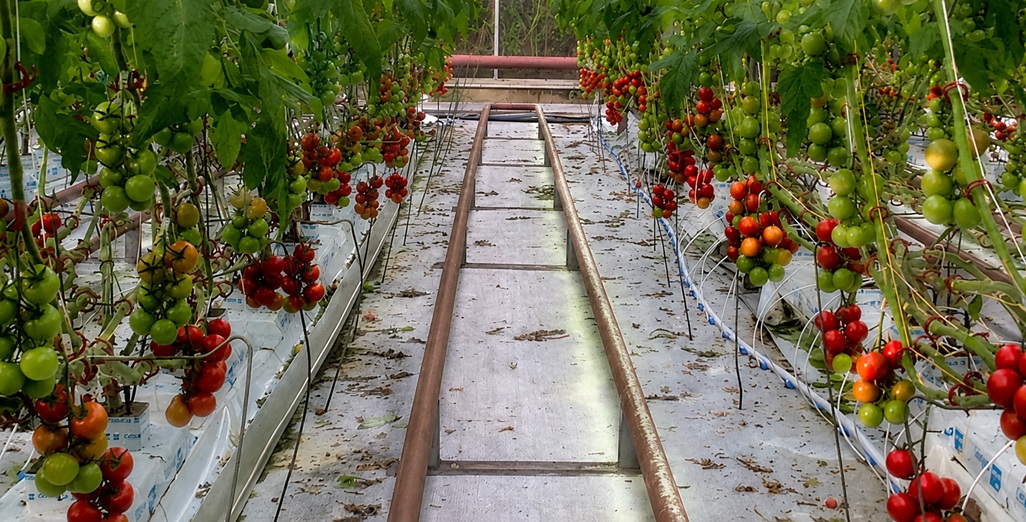
Combating Leaf Mould and Powdery Mildew in Greenhouse Tomatoes 2026
It's been eight years since I first wrote about controlling leaf mould. While many of the principles still apply, growers now have more tools available, making it a good time to revisit what works and where disease management is heading.
July 27, 2026
GrowWise smart spectrum helps growers save energy or boost crop growth through automated spectrum optimization
“With just a few clicks, we achieved approximately 2% more light on the crop”
July 13, 2026
Why Botrytis has become such a challenge this winter
The objective is not to grow a vegetative crop or a weak generative crop. The objective is to grow a balanced crop with enough vigour to support the fruit load while maintaining healthy leaf quality.
CLASSIFIED