

Sign up here to subscribe to the Grower2grower Ezine. Every two weeks you will receive new articles, specific to the protected cropping industry, informing you of industry news and events straight to your inbox.
2
Nov 2020
Nov 2020
Water Storage and its advantages
Protection in case the bore runs dry
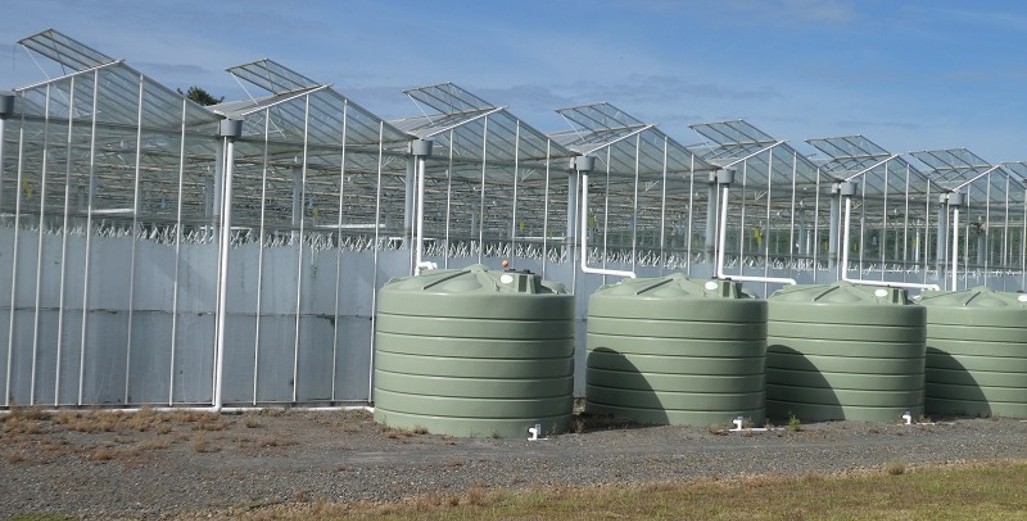
Many growers will be drawing allocated water from bores for irrigation. Likewise, many growers store rain water collected from the roof in storage ponds. If you have the room storing rain water, collected from the greenhouse, offers a layer of water security. The greenhouse industry has a major advantage that we have the ability to collect and store (room permitted) nearly every litre of water that falls on the greenhouse roof’s.
Analysing local monthly rainfall and calculating monthly irrigation requirements will help determine the size of the storage required. You may not have the land, or even the need to collect every drop of rain water, but it certainly would offer a free insurance policy and buy valuable time if a bore was to run dry or you were waiting until the next time it rained.
The cost to install or replace a bore is a capital cost as is building water storage. The capital expense, and the benefit of having both options at a property, increases water security not to mention increasing the value of the business.
Water storage ponds are nothing new, many companies already have large lined ponds. For smaller growers the capital cost may be off putting. However, it is worth understanding the costs involved with different options available.
The options you have for water storage are:
- Fixed Tanks
- Lined Ponds/Canals
- Bladder’s (Flexi tanks)
Note:
I am often asked about taking water from creeks, to which the reply is always the same. Be careful. Unless you know what is coming downstream you have no idea what is in that water.
Last week I’m sure many in the greenhouse industry would’ve seen this segment on TV3;
When we were growing, our only source of water for irrigation was from a bore. This story highlights why it is time to consider collecting and storing as much rainwater as possible to mitigate climate change and water scarcity issues. No one owns rain, if it falls on your property it is yours and as long as you can legally build one of the water storage options then it could safe guard your business for years to come.
Images below of possible storage options:
.JPG)
Ponds

Lined steel tanks

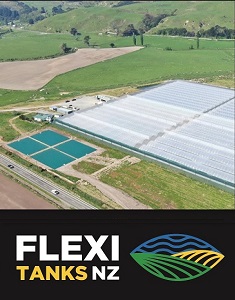
Flexi Tanks

Plastic Tanks
I appreciate your comments. Please feel free to comment on the grower2grower Facebook page:
https://www.facebook.com/StefanGrower2grower/
Article Written and compiled by Stefan Vogrincic, Consultant, Grower2Grower
Article Edited by Marie Vogrincic, Editor, Grower2Grower
CLASSIFIED













Subscribe to our E-Zine
More
From This Category

February 10, 2026
MG Group partners with The Gut Foundation
Growing a healthier New Zealand together
January 27, 2026
Protected Cropping, Weather Extremes And Growth Potential
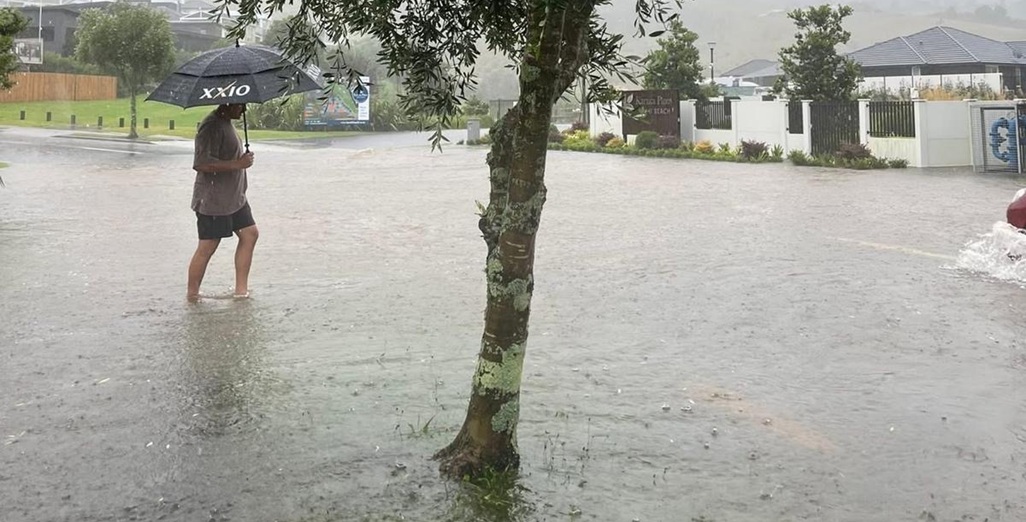
Extreme weather again highlights the role of protected cropping. During last week’s deluge across the North Island, significant damage is expected across many outdoor crops. Onions lying on the ground and attempting to dry will be particularly vulnerable, with prolonged saturation likely to result in quality losses and storage issues.
January 27, 2026
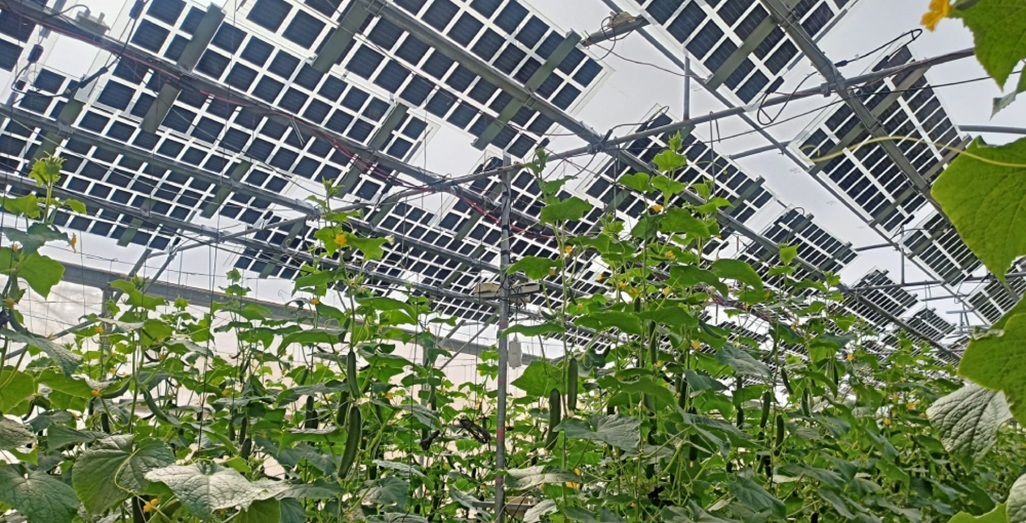
Agrivoltaics in Greenhouses Turning Sunlight into Energy and Crops
The EU is rapidly increasing its renewable energy targets, with solar power playing a central role in achieving these goals
January 12, 2026
Response to fruit fly find in Mt Roskill continues
The recent detection of a Queensland fruit fly in Mt Roskill and the resulting biosecurity controls on fresh produce movement highlight the very real risk this pest poses to New Zealand’s horticulture sector.
CLASSIFIED