

Sign up here to subscribe to the Grower2grower Ezine. Every two weeks you will receive new articles, specific to the protected cropping industry, informing you of industry news and events straight to your inbox.
15
Jan 2025
Jan 2025
Web based tool to help growers switch to geothermal heating
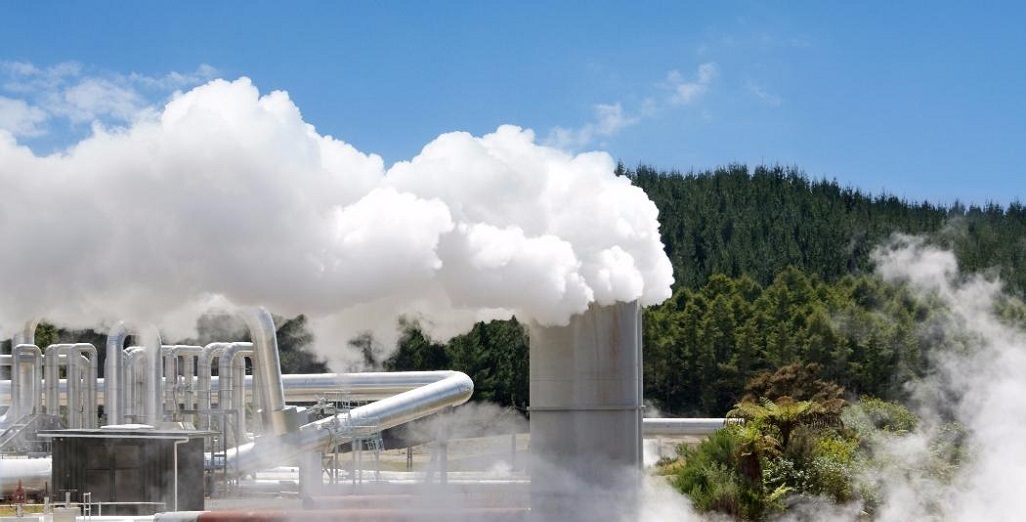
A new web-based tool currently under development will help greenhouse growers switch to geothermal-sourced heating and reduce their use of fossil fuels.
‘The use of geothermal heat in greenhouses is common overseas but not in New Zealand, which is ironic given how obvious this form of energy is in parts of the country like Rotorua,’ says Vegetables NZ Chief Executive, Antony Heywood.
‘What’s more, geothermal heat is available across New Zealand, not just in our volcanic zones. Most greenhouse operations only require temperatures below 70°C, which by using the right technology, can be harnessed from the naturally occurring geothermal energy resources below them.
‘The tool under development will help kiwi greenhouse growers make the switch to geothermal, by translating complex geothermal subsurface data into a user-friendly web-based tool tailored for the covered cropping industry.’
GNS Geothermal Scientist, Dr Anya Seward says the new tool will draw together existing data and knowledge about geothermal heat resource availability in the greater Auckland, Northern Waikato, and Bay of Plenty regions.
‘The project will also incorporate information from heating engineers on how to use geothermal energy resources in greenhouses and model the economics compared to other energy sources. This information will be invaluable when growers are considering options for decarbonization.’
TomatoesNZ Business Manager, Dinah Cohen, says that while geothermal is currently being used by some businesses and at least one greenhouse grower, they are generally extracting high-temperature geothermal which is then cooled down to the required temperature for use.
‘The benefit of low-temperature geothermal is that it is more widely available and does not need to be cooled for use.
‘In addition, by switching to geothermal heating, New Zealand’s greenhouse food growing industry can not only significantly reduce emissions, but also reduce its vulnerability to volatile and rising energy costs.’
Dr Seward says there is no more efficient way to produce heat than by starting with pre-existing heat.
‘Geothermal heat offers a 24/7, low-emissions heating alternative that is more energy efficient than fossil-fuel burners and electric heating.’
Development of the new web-based tool is being supported by the Sustainable Food and Fibre Futures fund through the Ministry for Primary Industries and Vegetable NZ. The development is being done through a collaboration involving GNS Science, GeoExchange NZ, Vegetables NZ and TomatoesNZ.
The tool is expected to be ready by March 2026.
Source: Fresh Vegetables New Zealand
CLASSIFIED



















Photo
Gallery













Subscribe to our E-Zine
More
From This Category

March 10, 2026
Energy saving through screens
A combination of screen use, screen quality, greenhouse climate requirements, and greenhouse equipment.
March 10, 2026
Heating Uncertainty Leaves Greenhouse Growers Searching for Answers
Waste oil supply changes force growers to reconsider long-term heating options ahead of winter. Two weeks ago I was alerted that one of the major recycled waste oil suppliers, based in the Auckland region, will soon stop supplying greenhouse growers. For one of my customers this came as a significant shock, particularly given that notice was given that deliveries will cease in the coming months –
February 23, 2026
New Zealand’s 2026 Energy Stock-Take – Part 2 – Natural Gas
New Zealand’s Nord Stream moment. That sucking-straw sound at the bottom of the glass and suddenly a gaping hole emerges in the New Zealand energy landscape
December 29, 2025
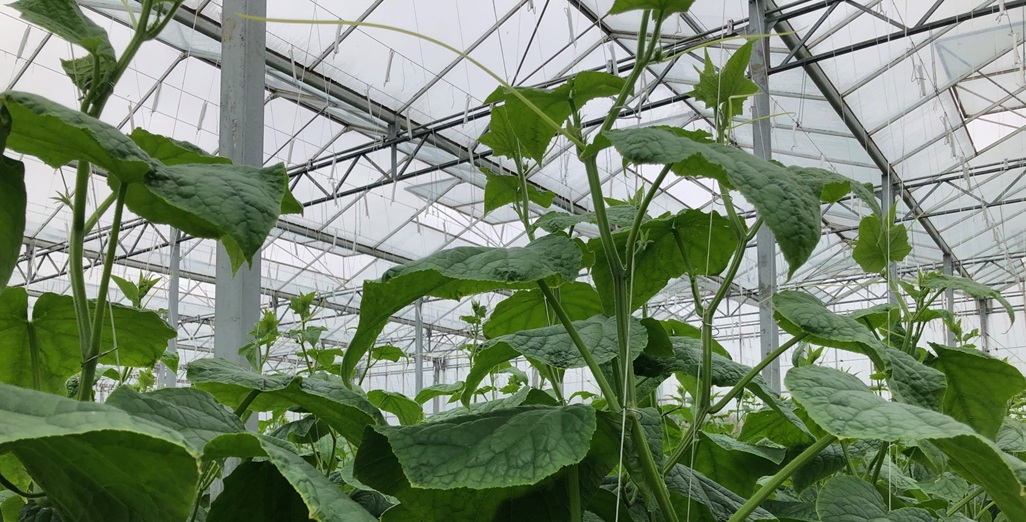
Best of 2025 – 79.2% decrease in Emission Trading Scheme (ETS) allocations for South Auckland Cucumber Grower
Chickens come home to roost for Greenhouse Growers
December 17, 2025
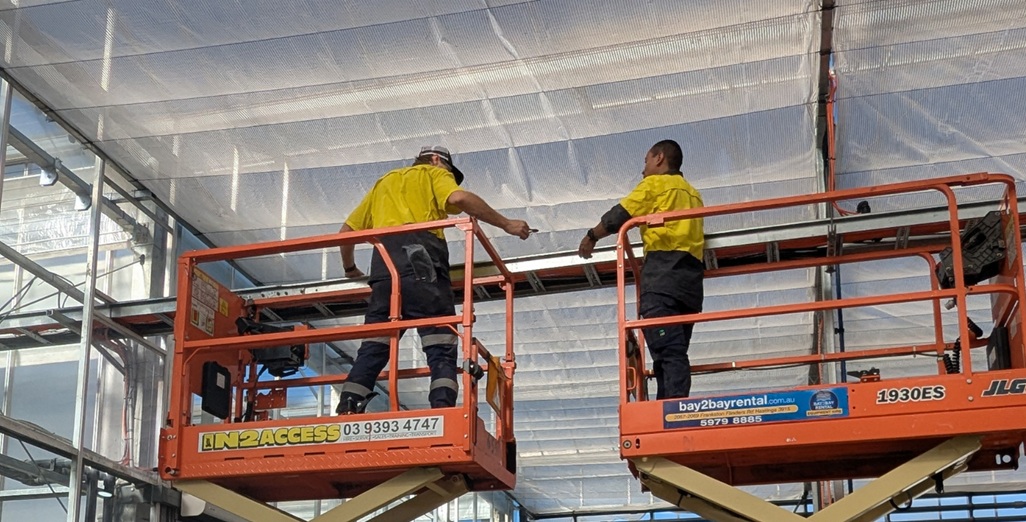
Ball Australia Boosts Climate Control with New Blackout Screen Upgrade
'Powerplants partnered with Ball Australia to deliver a full blackout screen replacement, supported by detailed mechanical, electrical, and irrigation work'
December 17, 2025
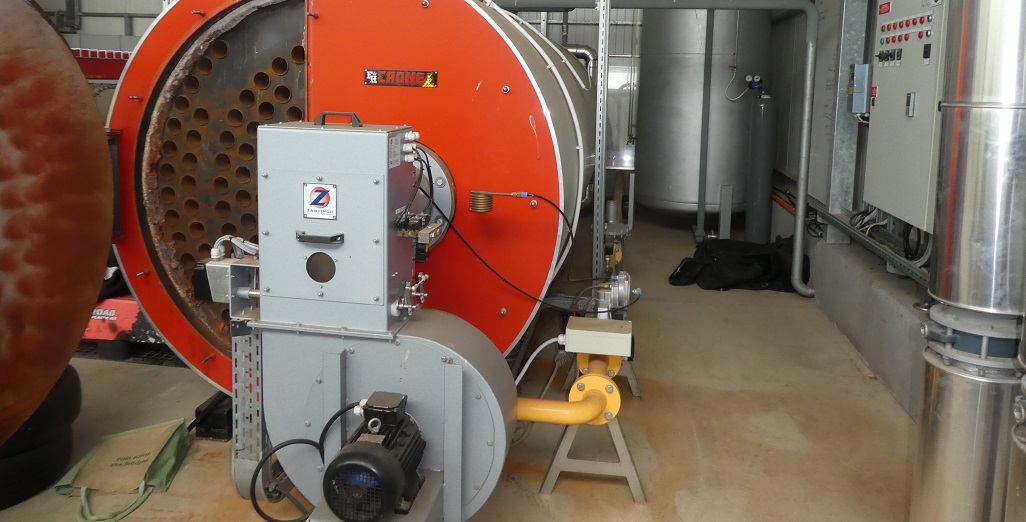
Why energy is now a strategic risk (2025 Grower2Grower overview of energy and looking forward)
What Tomato, Cucumber, Capsicum and Capsicum Growers Need to Know (And other heated greenhouse crops). Energy has shifted from a manageable operating cost to a strategic production risk for New Zealand’s protected-cropping sector. In 2025, growers are facing a convergence of structural changes that directly affect whether heat is available when it is needed, not just what it costs.
CLASSIFIED