

Sign up here to subscribe to the Grower2grower Ezine. Every two weeks you will receive new articles, specific to the protected cropping industry, informing you of industry news and events straight to your inbox.
19
May 2020
May 2020
What were we purchasing in lockdown?
Tomato prices improve as restrictions ease
Impact:
The closure of eating establishments, farmers markets and many independent stores had a huge impact on the price growers were receiving for their tomatoes at the start of lockdown. It is great to have most businesses back up and running now we are in level 2 and I have been told there has been improvement in returns. Growers, on average, were selling for very low prices at the start of lockdown, I am not sure who was buying the produce but it was still moving. There was no way the supermarkets were going to be able to flick a switch and facilitate the distribution of huge amounts of fresh fruit and veg meant for other markets, so I presume other fruit and veg was left to rot in the paddocks or harvesting deferred in some cases (potatoes). Thankfully for some fruit and vegetable growers their produce was destined for export markets.
Purchasing Patterns:
I am fascinated to know what five million kiwis were eating during lockdown. An observation is purchasing patterns changed during the period leading up to and throughout lockdown- people tended to purchase products with longer shelf lives, such as those in packets and tins to reduce the number of times they needed to venture out from home, reducing the risk of the virus to themselves and their families. Baking products such as flour, yeast and baking soda were hard to obtain as people had purchased them to enable them to make their own bread, and other fresh baked products at home. Home schooling has incorporated teaching kids how to bake, combining learning with fun activities. Teaching them to measure and weigh ingredients, temperatures and other hands on skills.
Where does my flour come from?
Around the second week of level 4 as I baked my next batch of chocolate chip muffins, while keeping a close watch on my fruit loaf rising, I looked at my empty flour container and wondered who produces flour in NZ for all that baking currently occurring. I did think to myself “well at least one horticulture industry will do exceptionally well this year” but then my slow churning mind did start to ponder that if tomatoes are imported into NZ in the winter then how much flour is imported? Well I have done a bit of research. The following link has some interesting facts on flour (Three-quarters of the bread sold in New Zealand is made from grain grown overseas, primarily Australia). It’s good to know we are supporting the Australian economy. There is some wheat grown in NZ so it must be economically viable otherwise we wouldn’t grow any. https://www.stuff.co.nz/business/farming/112503238/bid-to-replace-imported-grain-with-more-kiwigrown-wheat-in-bread
One of my friends had baked his way through 10kg’s of flour after the second week of the level 4 lockdown. It’s fair to say a lot of cake was baked in that household. I think my point is, and it appears I am just as bad, that during this lockdown potentially on average our diets may have taken a turn to the comfort food side. For the sake of this article I did jump on my scales and I am pleased to report my weight has remained unchanged. Chasing two boys around each day burning off those chocolate chip muffins had its advantages.
A good read:
Last week I read another well written article by Chief Executive of Horticulture NZ Mike Chapman regarding the lack of lettuce supply – great read.

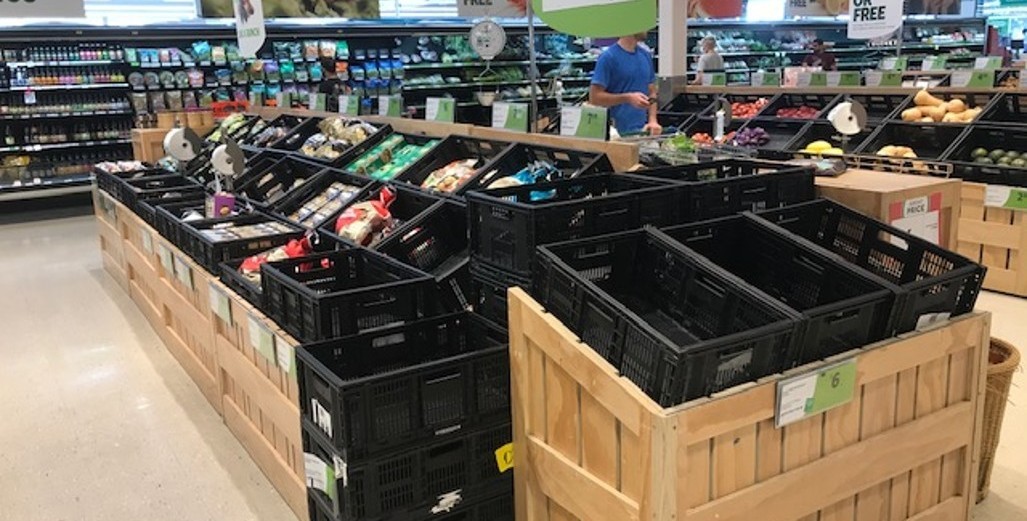
Empty crates in the fresh fruit and vegetable section of our supermarket was a common occurrence during level 4.
I appreciate your comments. Please feel free to comment on the grower2grower Facebook page:
https://www.facebook.com/StefanGrower2grower/
Article Written and compiled by Stefan Vogrincic, Consultant, Grower2Grower
Article Edited by Marie Vogrincic, Editor, Grower2Grower
CLASSIFIED












Subscribe to our E-Zine
More
From This Category

October 20, 2026
Powerplants – Purpose built facility will support leading research in crop production
The University of Tasmania is investing in the future of Australian agriculture with the development of a state of the art research greenhouse complex at its Newnham Campus in Launceston.
August 25, 2026
EPA seeks feedback about treated seed
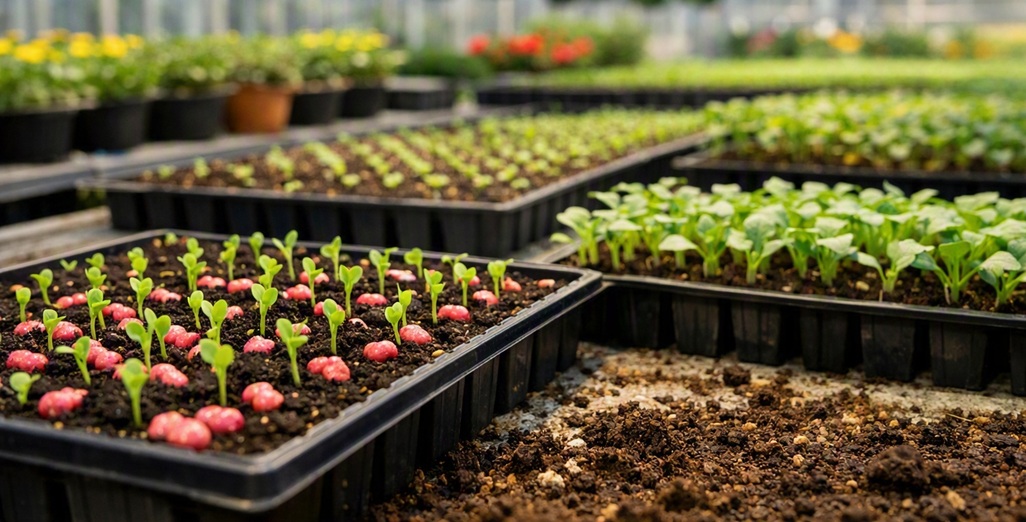
The Environmental Protection Authority (EPA) is asking for feedback on a proposed group standard for treated seed.

August 25, 2026
A Well-Deserved Thank You to Barry O’Neil
Eight years at the helm of TomatoesNZ recognised with Lifetime Achievement Award. At the recent Covered Cropping NZ Conference and TomatoesNZ AGM, Barry O’Neil was presented with a Lifetime Achievement Award in recognition of his outstanding contribution to TomatoesNZ and the wider covered cropping industry. The award also marked the end of an eight-year chapter, with Barry stepping down after eight years as Chair of the TomatoesNZ Board.
August 11, 2026
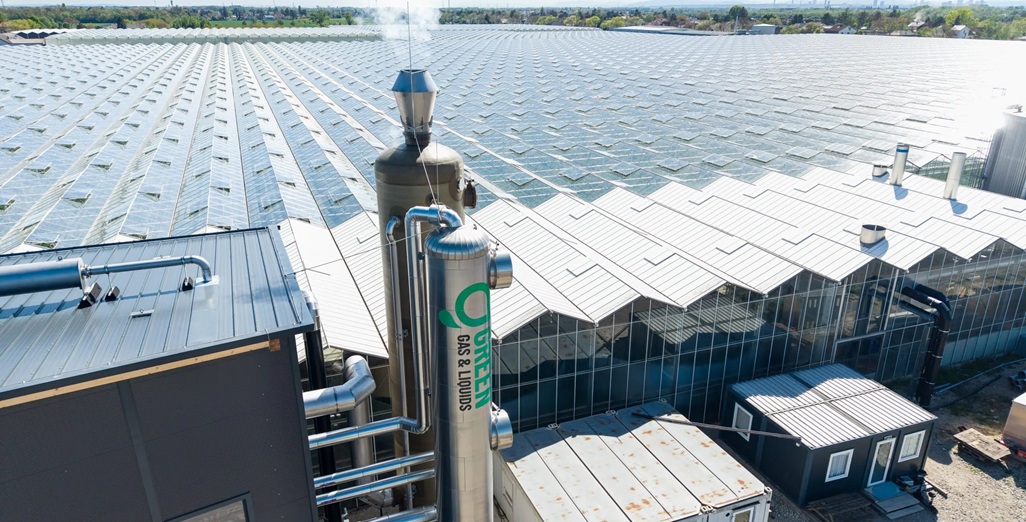
CO₂ Capture for Greenhouses Without Liquefaction —
How Galloxol® Changes the Economics
July 14, 2026
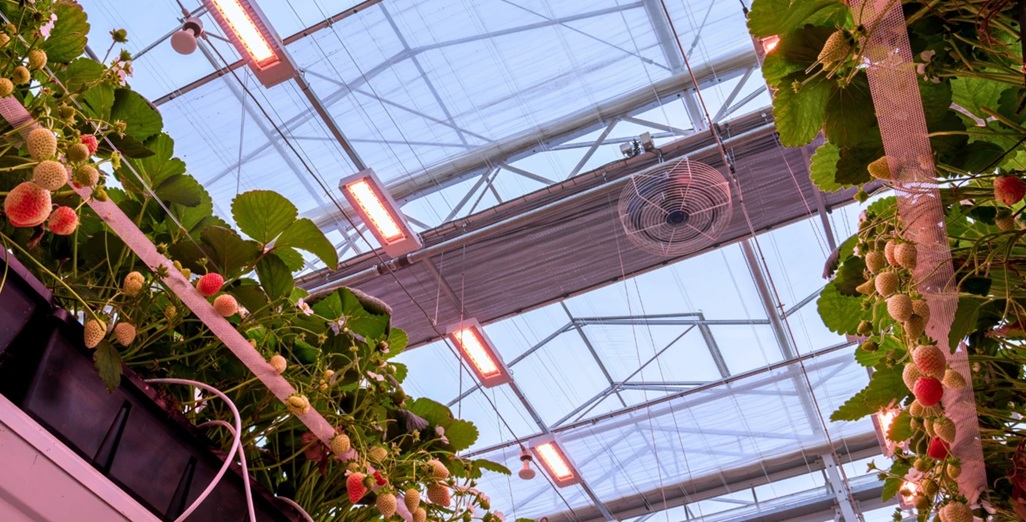
More air movement, fewer gaps, more energy savings
"The major challenge in the energy transition is to continue growing healthy and vital crops with less energy"
July 13, 2026
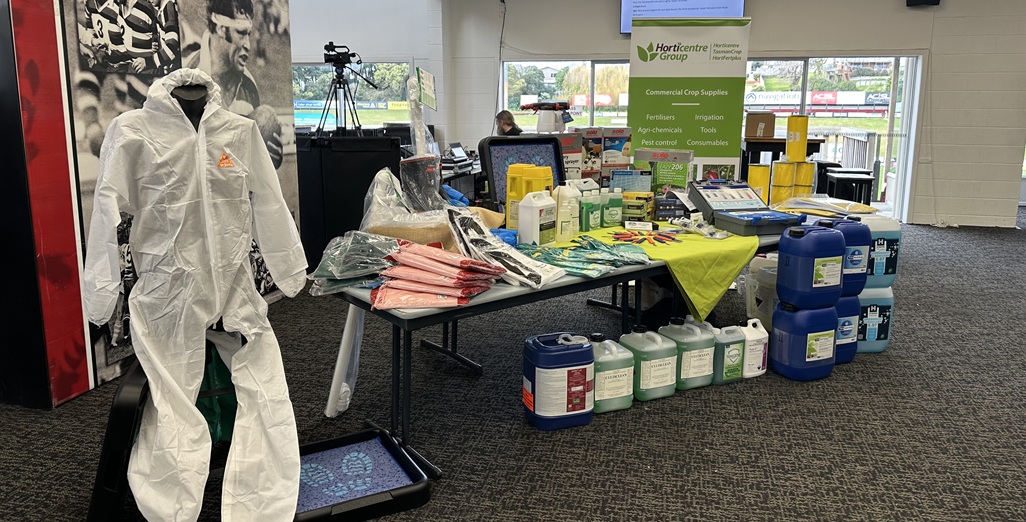
Covered Cropping NZ Conference: A Day of Practical Learning and Industry Connection
Wednesday, 12 August, at LaValla, Tuakau, South Auckland
CLASSIFIED