

Sign up here to subscribe to the Grower2grower Ezine. Every two weeks you will receive new articles, specific to the protected cropping industry, informing you of industry news and events straight to your inbox.
1
Jun 2026
Jun 2026
The Environmental Protection Authority (EPA) is calling for submissions on a proposal to restrict the use of insecticides containing bifenthrin.
The public consultation runs from 21 May – 21 July 2026.
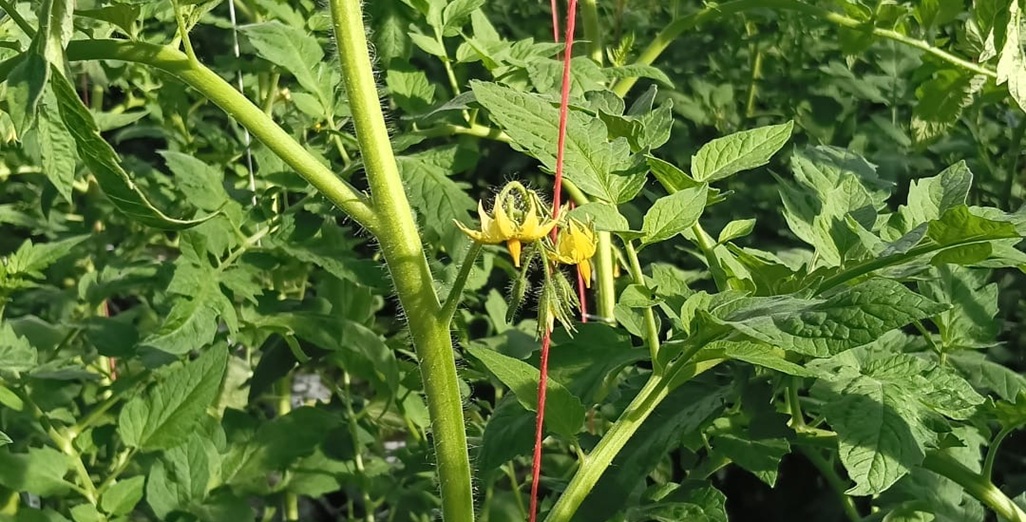
Bifenthrin is used on a wide range of crops, including kiwifruit, squash, vegetable brassicas, and tomatoes, to control insects. It is also used to treat timber, for professional pest management, biosecurity, and as an insecticide in and around the home and garden as a targeted spot spray. (note: known as Talstar to many greeenhouse growers)
The EPA is reassessing the use of bifenthrin and has identified serious environmental risks from some uses, particularly to the aquatic environment.
Dr Shaun Presow, Acting Hazardous Substances Applications Manager, says bifenthrin poses significant risks to fish and aquatic invertebrates, birds, and non-target insects, including bees, when sprayed extensively on crops.
“In the risk assessments we’ve modelled, this spray can drift and enter nearby waterways, which is of concern to the EPA.”
Currently, bifenthrin substances may be sprayed on crops over large areas by wide dispersive methods, such as agricultural boom sprayers or air blast methods using a-high powered fan to propel spray on to foliage.
The EPA proposes prohibiting the use of bifenthrin by wide-dispersive application methods. An exception could be made for biosecurity uses, where additional controls would manage any risks to the environment and to bystanders.
“Many non-agricultural uses we’ve modelled do not show significant risk to people or the environment so we’re not looking to restrict those uses,” says Dr Presow.
“We are proposing some changes to the labels for products with bifenthrin to make users aware of risks of paraesthesia, the sensation of pins and needles, and the risks to bees.”
Alternative insecticides are available to replace most agricultural uses of bifenthrin.
Dr Presow says, “In this consultation we’re looking for feedback on the risk assessments we’ve done, on the costs and benefits of use, the economic impacts of restricting use as proposed, potential alternatives that may have a lower impact on the environment, and from Māori on potential benefits or concerns.”
Find out more and have your say
For more information contact:
Email: media@epa.govt.nz

CLASSIFIED




















Photo
Gallery













Subscribe to our E-Zine
More
From This Category

October 20, 2026
Powerplants – Purpose built facility will support leading research in crop production
The University of Tasmania is investing in the future of Australian agriculture with the development of a state of the art research greenhouse complex at its Newnham Campus in Launceston.

August 25, 2026
EPA seeks feedback about treated seed
The Environmental Protection Authority (EPA) is asking for feedback on a proposed group standard for treated seed.

August 25, 2026
A Well-Deserved Thank You to Barry O’Neil
Eight years at the helm of TomatoesNZ recognised with Lifetime Achievement Award. At the recent Covered Cropping NZ Conference and TomatoesNZ AGM, Barry O’Neil was presented with a Lifetime Achievement Award in recognition of his outstanding contribution to TomatoesNZ and the wider covered cropping industry. The award also marked the end of an eight-year chapter, with Barry stepping down after eight years as Chair of the TomatoesNZ Board.

August 11, 2026
CO₂ Capture for Greenhouses Without Liquefaction —
How Galloxol® Changes the Economics
July 14, 2026
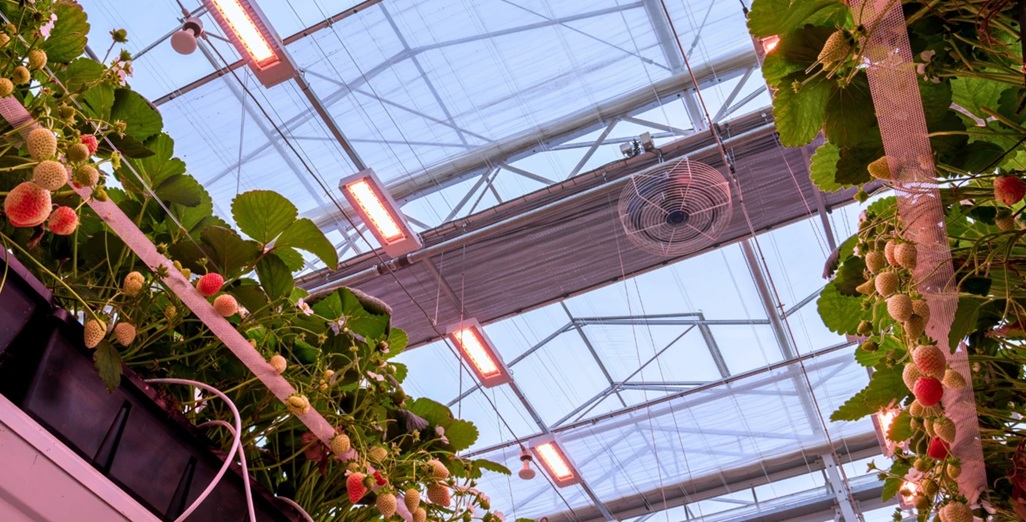
More air movement, fewer gaps, more energy savings
"The major challenge in the energy transition is to continue growing healthy and vital crops with less energy"

July 13, 2026
Covered Cropping NZ Conference: A Day of Practical Learning and Industry Connection
Wednesday, 12 August, at LaValla, Tuakau, South Auckland
CLASSIFIED