

Sign up here to subscribe to the Grower2grower Ezine. Every two weeks you will receive new articles, specific to the protected cropping industry, informing you of industry news and events straight to your inbox.
18
Nov 2025
Nov 2025
Skytree, a pioneer in direct air capture (DAC) technology, announces its official market entry into New Zealand.

The launch, coinciding with the EU-NZ Business Summit, marks a significant step in the nation’s journey towards a circular economy and reinforces the growing partnership between the Netherlands and New Zealand on sustainable innovation.
At the inaugural EUNZ Business Summit in Auckland, Skytree’s VP Carbon Solutions, Camille Hanna, joined the panel discussion on Clean Tech innovation, presenting the company’s pioneering carbon capture technology to New Zealand’s political and business leaders. The discussion highlighted the specific opportunities for applying this technology within the country’s vital horticulture sector.
Following the panel discussion, New Zealand’s Minister of Energy, Hon. Simon Watts, acknowledged the significance of the technology in his address: “There are some really exciting opportunities, like the work Camille Hanna highlighted around CO₂ capture for the Horticulture space. New Zealand is a big player in horticulture, and this is definitely a challenge and opportunity that we face.”
Joint collaboration on green growth and decarbonization across oceans
Skytree’s arrival directly supports the recently signed Joint Cooperation Statement between Dutch Prime Minister Dick Schoof and New Zealand Prime Minister Christopher Luxon, which highlights a shared commitment to green growth and decarbonization. By deploying its advanced DAC technology, Skytree will provide local industries with a reliable source of circular carbon dioxide (CO₂), helping to reduce emissions and build a foundation for the sustainable fuels and chemicals of the future.
“We have received an incredibly warm welcome, and we are thrilled to begin this journey in New Zealand. We chose New Zealand for its ambitious climate targets and the clear opportunity for our technology to make a significant impact across multiple sectors. This is a partnership in the truest sense—we are here to innovate with local industries, create new jobs in cleantech, and support New Zealand’s transition to a circular economy.”
—Camille Hanna (VP Carbon Solutions at Skytree)
A commitment to New Zealand’s green transition
The decision to launch in New Zealand was driven by the country’s strong commitment to combating climate change, its proactive stance on adopting clean technologies, and abundant geothermal resources. Skytree will focus on fostering deep collaboration with the local workforce and native communities, ensuring that its investment creates lasting economic activity and supports a just transition.
Skytree’s expansion was facilitated by the support of the Dutch embassy, which played a key role in aligning the launch with the bilateral objectives of both nations. The project exemplifies the type of international cooperation needed to accelerate the global CO₂ transition.
**Header Photo: Panel on Powering Change – Clean Tech and Renewable Innovation; Speakers: Camille Hanna (Skytree), Mark Hoskins (Fabrum), Reuben Tucker (Westpac New Zealand), Facilitator: Tara Druce, Trade Commissioner, New Zealand Trade and Entreprise
About Skytree
Skytree engineers the CO₂ transition by developing Direct Air Capture (DAC) technology that captures CO₂ from the air and repurposes it for good: whether carbon is reused across different industries or stored permanently.
With over a decade of innovation rooted in the European Space Agency (ESA), Skytree’s patented DAC technology transforms atmospheric CO₂ into a valuable resource: powering applications like renewable fuels and chemicals, greenhouses, beverage carbonation and water treatment.
Skytree’s modular DAC machines and unique DAC Park architecture allow companies to deploy in any climate, at scale – offering a bankable path to carbon capture and accelerating the transition to a circular CO₂ economy.
AMSTERDAM, November 4, 2025 —
Article Source:
CLASSIFIED















Photo
Gallery



Subscribe to our E-Zine
More
From This Category
May 19, 2026
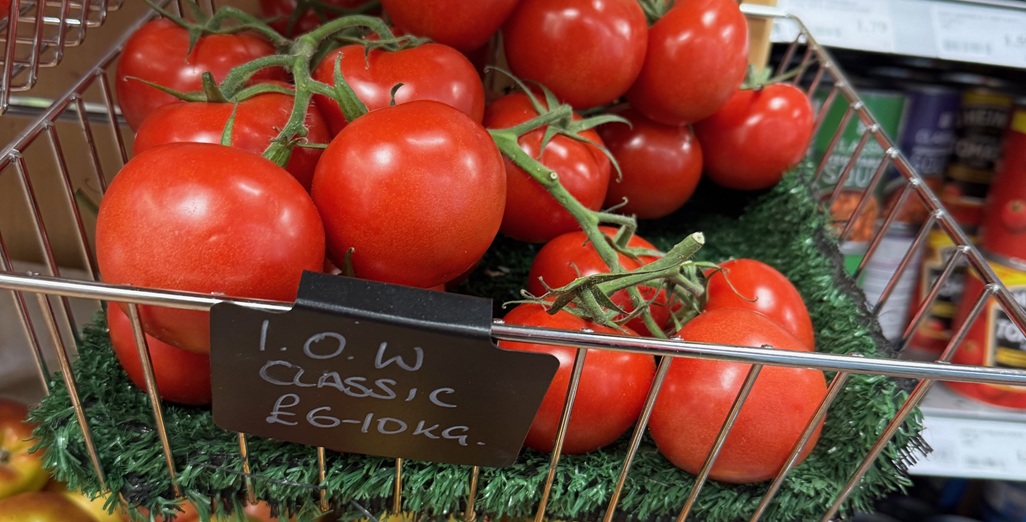
Food Costs in England – “Cheap as Chips in the Supermarket, Astronomical Eating Out”
Yesterday (18 May) I returned from more than three weeks in UK. As usual, my first port of call when arriving in England was the supermarket — and particularly the vegetable section, much to the annoyance of my wife. Before long I was snapping photos of my favourite greenhouse vegetables.
May 19, 2026
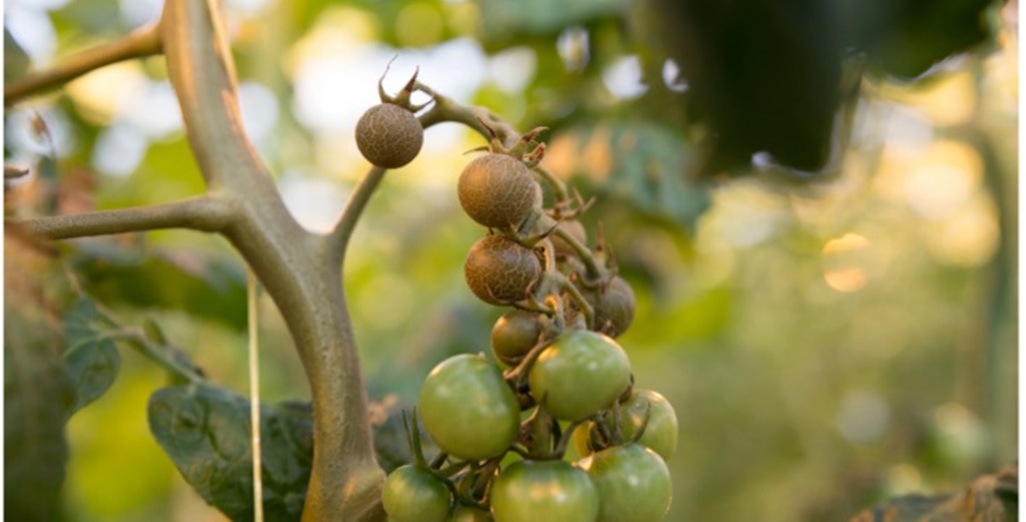
New technote for Tomato russet mite
New guidance on the use of chemical miticides for Tomato russet mite control provides growers with a broader range of management options.
May 5, 2026
Increasing cash: why extra height makes the difference for return and future
Raising a greenhouse is not a stopgap measure, but rather a strategic choice:

May 5, 2026
Horticentre Charitable Trust Continues Partnership with Grower2Grower for 2026
“Shared knowledge builds stronger growers and a stronger industry.”

April 20, 2026
The Environmental Protection Authority (EPA) has approved a new fungicide seed treatment to control disease on potatoes.
The New Zealand potato industry is valued at approximately $1 billion annually, according to Potatoes New Zealand.
April 20, 2026
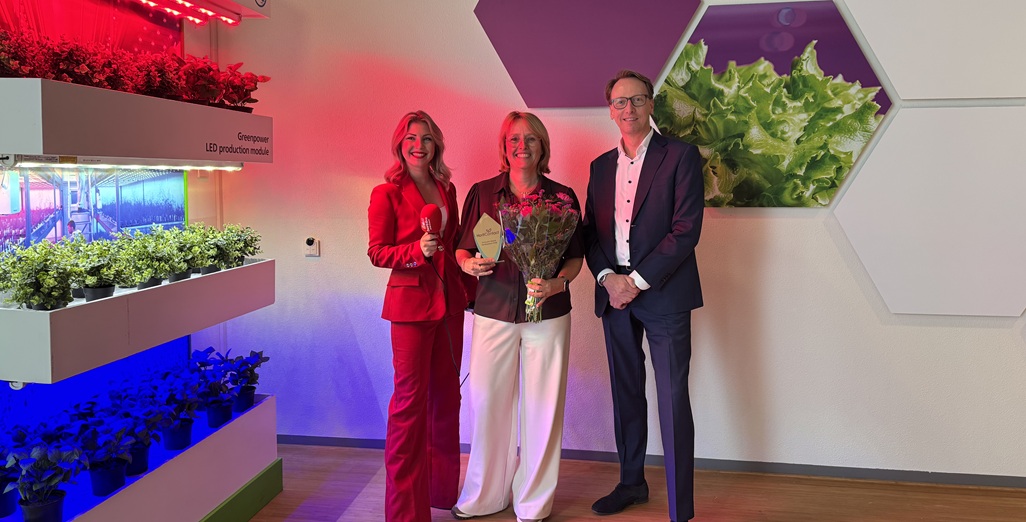
Signify wins HortiContact Innovation Award for Philips intelligent horticulture lighting solutions
“We are incredibly proud of this recognition”
CLASSIFIED