

Sign up here to subscribe to the Grower2grower Ezine. Every two weeks you will receive new articles, specific to the protected cropping industry, informing you of industry news and events straight to your inbox.
29
Dec 2025
Dec 2025
Best of 2025 – 79.2% decrease in Emission Trading Scheme (ETS) allocations for South Auckland Cucumber Grower
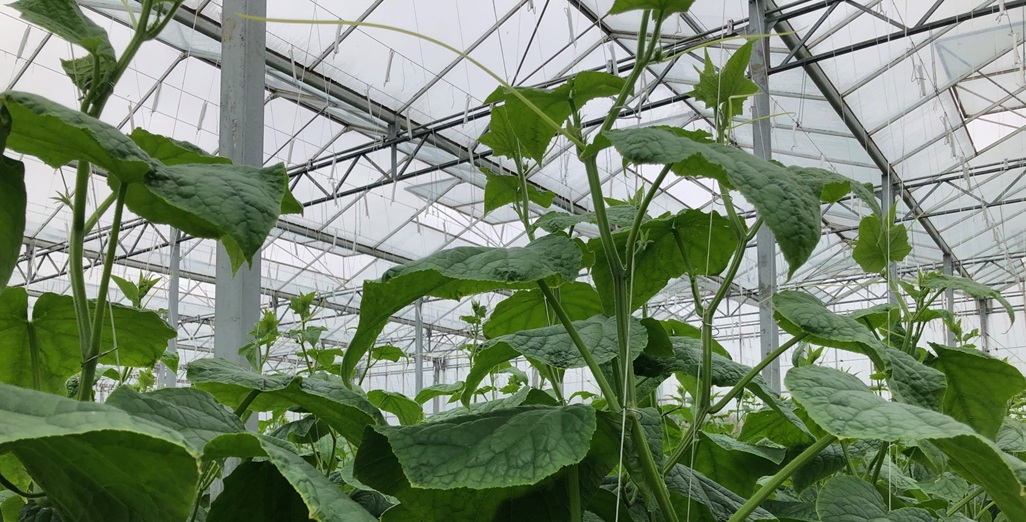
Chickens come home to roost for Greenhouse Growers
Last week it was reported a grower in the South Auckland region received 79.2% less allocations than the previous year, even though the production was on average like previous reporting periods.
It is not until it hits you in the pocket – and you physically observe the reduction that you understand the magnitude. For this grower it equates to an increase in cost over $30,000 per hectare, which is higher than the figure estimated in the media release below, dated 25th of October 2024 published by Vegetables NZ.
I recognise that a review of allocations was needed, but it’s important to note that there was already a percentage reduction built into the calculations that decreased each year. For many growers, the practical challenges, and costs of switching energy systems have been underestimated by the government. A major issue is the limited availability of affordable alternative energy sources, as well as the significant capital required for operations of all sizes to transition to a new heating system.
I agree with several of the points raised below. Consumers may experience higher prices for greenhouse-grown vegetables or, in the case of cucumbers, an influx of product from Australia. While it seems counterproductive for the environment to import fresh food products that can be grown here in New Zealand, this may be the likely outcome. Another important consideration is the affordability of cucumbers, eggplants, tomatoes, and other vegetables – will consumers be able to afford these healthy food options this winter?
Growers have been hit with a great big, (huge) stick and all the carrots have essentially been removed.
Government decision will force greenhouse food growers out of business
25 October 2024
Greenhouse food growers will be forced out of business, thanks to an out of touch Government decision made around the Emissions Trading Scheme (ETS).
‘This Government wants to pride itself on the real-world effect of its decisions, yet they are out of touch with this one,’ says Vegetables NZ Chair, John Murphy.
‘We repeatedly told Cabinet, other Members of Parliament and government officials that advice saying that a reduction in industrial allocation would have no impact on greenhouse tomato, capsicum and cucumber growers was wrong.
‘Growers’ calculations showed that the reduction would add costs of up to $30,000 per hectare, which would be of no benefit to anyone or anything: growers, consumers, or the environment.
‘This needless cost increase would be a massive blow for greenhouse growers already dealing with massive energy increases – up to 100%. For consumers, growers going out of business will reduce supply and increase prices. And lastly, for the environment, the increase in airfreighted imported vegetable substitutes will contribute to higher emissions.’
In August this year, Vegetables NZ asked the Government for two things:
- A delay to the industrial allocation baseline change until July 2025 to allow time for gas contracts to expire and for growers to make further efficiency or fuel changes.
- The establishment of a Sustainable Food Systems Fund to reinvest ETS proceeds from greenhouse growers in greenhouse decarbonisation that supports fuel transition.
John says greenhouse growers capture CO2 for use in production.
‘This fact sets them apart from other process heat users and surely, it gave the Government scope to treat greenhouse food growers differently within the ETS. Instead, the Government seems to have focused on the steel industry, to the detriment of greenhouse food producers.
‘If climate change is the key concern being addressed through this policy, the ability for New Zealand to produce food in increasingly challenging conditions should have been considered.
‘Agriculture has been removed from the ETS to give that industry time for transition. The same needs to happen for horticulture. All food systems need to be protected and made resilient.’
CLASSIFIED



















Photo
Gallery













Subscribe to our E-Zine
More
From This Category
April 20, 2026
Autumn Challenges: Managing Humidity, Energy Constraints and Crop Balance
A Perfect Storm for Crop Performance
April 7, 2026
Energy Resilience for Greenhouse Horticulture: Electricity at the Core (not just for greenhouse horticulture but NZ Inc?)
Real opportunity for long-term resilience lies in electricity and bioenergy for growers

April 7, 2026
Geothermal Strategy released MBIE
From the Ground Up: A strategy to unlock New Zealand's geothermal potential - March 2026
March 23, 2026
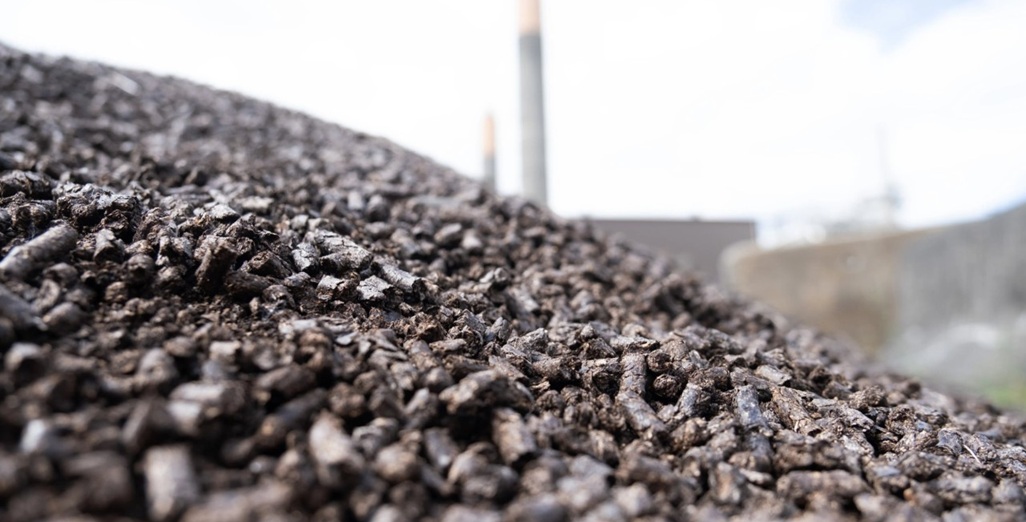
The Carbon Difference Between LNG and Bioenergy: Does it Matter
As domestic gas supply declines and dry-year risks persist, New Zealand faces an important energy question. The challenge is not simply finding a replacement fuel, it is choosing an approach that supports long-term energy security while also reducing our carbon exposure.

March 10, 2026
Energy saving through screens
A combination of screen use, screen quality, greenhouse climate requirements, and greenhouse equipment.
March 10, 2026
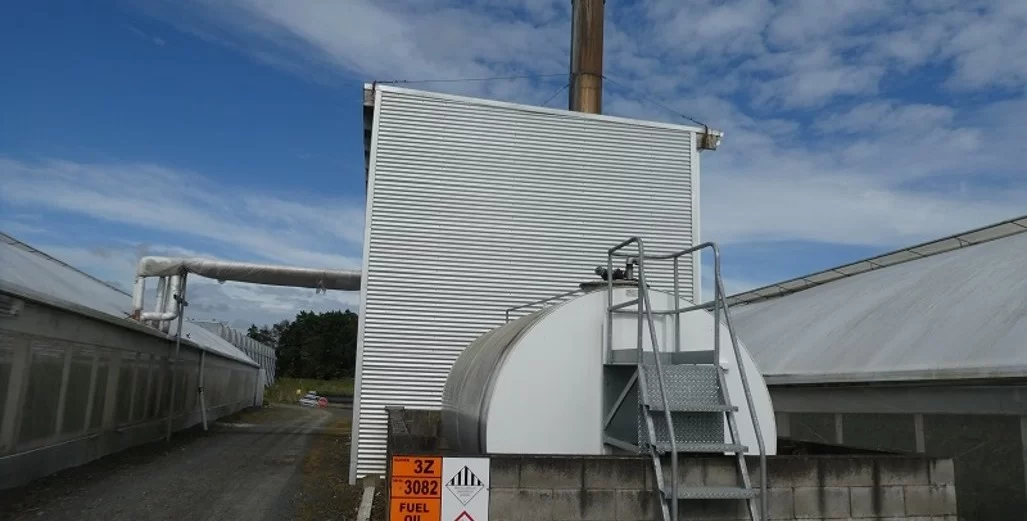
Heating Uncertainty Leaves Greenhouse Growers Searching for Answers
Waste oil supply changes force growers to reconsider long-term heating options ahead of winter. Two weeks ago I was alerted that one of the major recycled waste oil suppliers, based in the Auckland region, will soon stop supplying greenhouse growers. For one of my customers this came as a significant shock, particularly given that notice was given that deliveries will cease in the coming months –
CLASSIFIED