
Sign up here to subscribe to the Grower2grower Ezine. Every two weeks you will receive new articles, specific to the protected cropping industry, informing you of industry news and events straight to your inbox.
7
Apr 2026
Apr 2026
Energy Resilience for Greenhouse Horticulture: Electricity at the Core (not just for greenhouse horticulture but NZ Inc?)
Real opportunity for long-term resilience lies in electricity and bioenergy for growers
Opinion – Stefan Vogrincic
Global geopolitics and fuel price volatility remind us that energy security is not something we can take for granted. (although we will when the price stabilises as our memories are short!) For New Zealand greenhouse growers, reliable and affordable energy underpins everything—from heating, lighting, and CO₂ enrichment to irrigation etc.
While diesel and transport fuels remain part of the conversation, the real opportunity for long-term resilience lies in electricity and bioenergy for growers. New Zealand is fortunate to have a strong renewable electricity base, which can support current operations and future innovation (if government plays its role).
Why Electricity is Key and must be affordable for international competitiveness
- Reliable and affordable energy: Expanding hydro, geothermal, wind, and solar can power lights, fans, pumps, as well in combination with biomass heating systems, and supplying CO₂ production.
- Integration with heat pumps: Affordable electricity allows growers to use heat pumps efficiently, reducing reliance on fossil fuels for greenhouse heating. Heat pump technology is ideal but work needs to be done on its ROI and ongoing running costs – this is a stumbling block for growers.
- International competitiveness: Stable electricity helps maintain productivity and cost-effectiveness, even when global fuel markets are volatile. This point is actually the KEY!
Using Bio-Energy Strategically
Even as electricity contributes to greenhouse operations, bio-energy remains essential:
- Heating: Biomass such as, wood fuels, can supplement electricity for greenhouse heating, particularly during peak winter demand or when electricity prices fluctuate.
- CO₂ enrichment: Combustion of biofuels provides CO₂, which can be captured and used to support plant growth—turning energy use into a dual benefit.
- Diesel replacement: Canola-based biodiesel is already produced in New Zealand and can be blended for use in tractors, generators, and trucks, reducing reliance on imported oil. (note electric tractor and digger technology is here but does need improvement)
By combining electricity and bio-energy, greenhouse operations can optimize both heating and CO₂ production, while gradually reducing fossil fuel dependency.
Fossil Fuels: Supporting a Smooth Transition
New Zealand’s existing fossil fuel resources—natural gas and coal (coal being abundant)—can still play a supporting role during the transition to renewables:
- Providing backup electricity or process heat when renewables fluctuate.
- Stabilising energy costs and helping growers maintain competitiveness.
Thoughtful use of fossil fuels allows the sector to transition gradually, investing in renewables and bio-energy infrastructure without compromising operations.
Putting It All Together
For greenhouse growers, a balanced approach is emerging:
- Electricity as the backbone — affordable, reliable, and increasingly renewable.
- Bio-energy as a complement — for heating, CO₂, and limited diesel applications.
- Fossil fuels as a transition tool — ensuring continuity and cost stability.
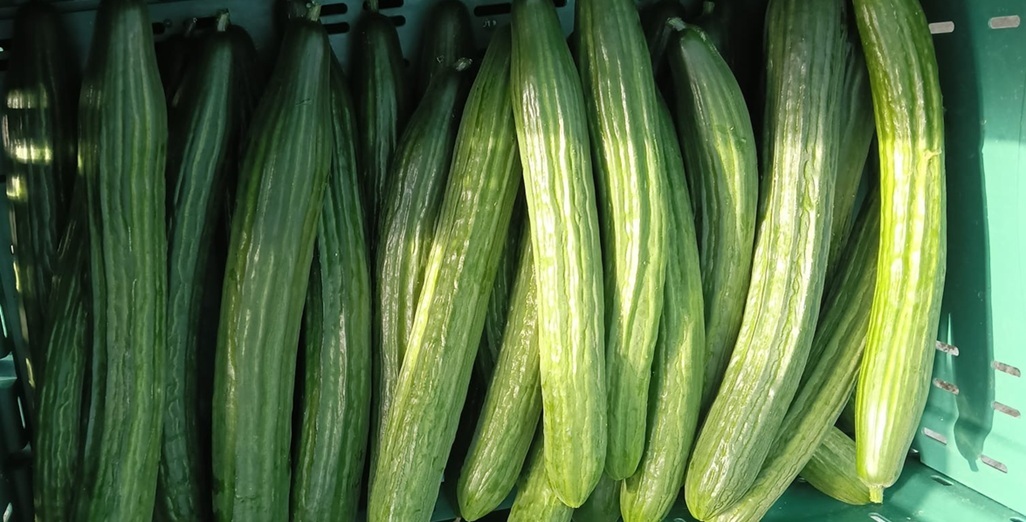
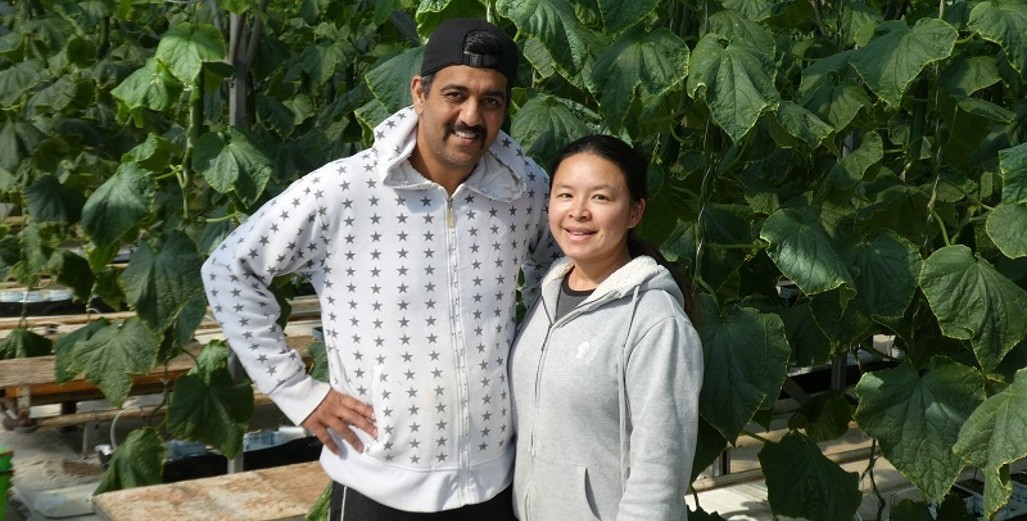
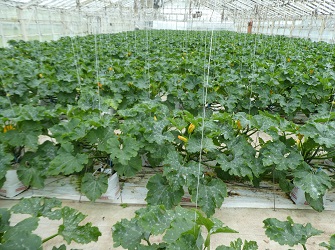
Cucumbers are energy intensive and need high energy inputs.
CLASSIFIED



















Photo
Gallery







Subscribe to our E-Zine
More
From This Category

September 22, 2026
New screens as a response to rising energy cost
"The cheapest energy ultimately remains the energy you do not need to purchase"
August 25, 2026
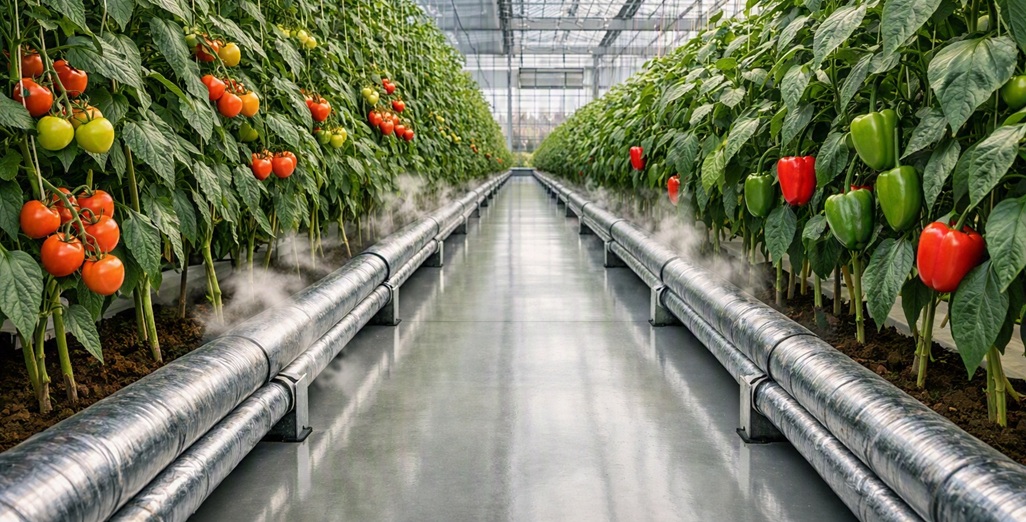
Why Are Growers Not Using the Geothermal Calculator?
A free tool has been developed specifically for New Zealand’s covered crop industry – so why aren't more growers using it?
August 11, 2026
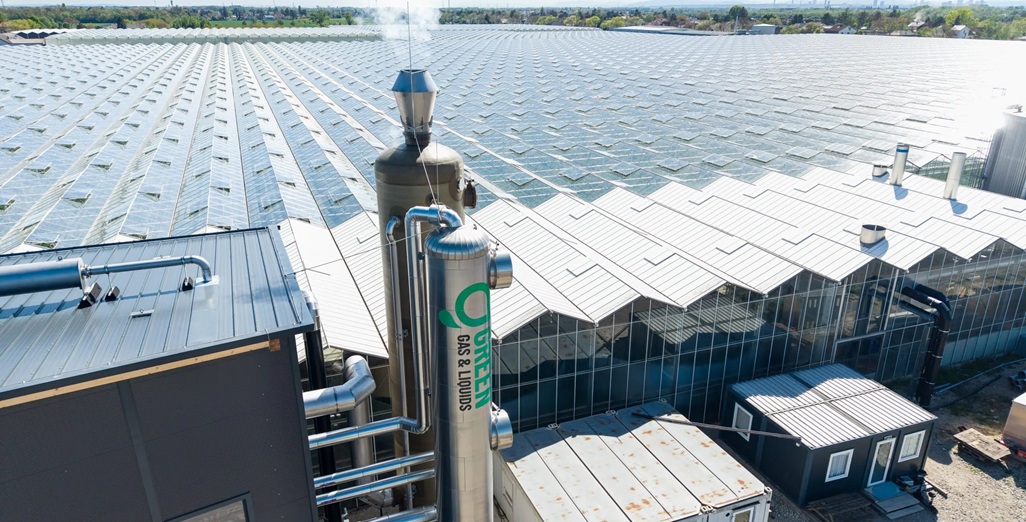
CO₂ Capture for Greenhouses Without Liquefaction —
How Galloxol® Changes the Economics
July 14, 2026
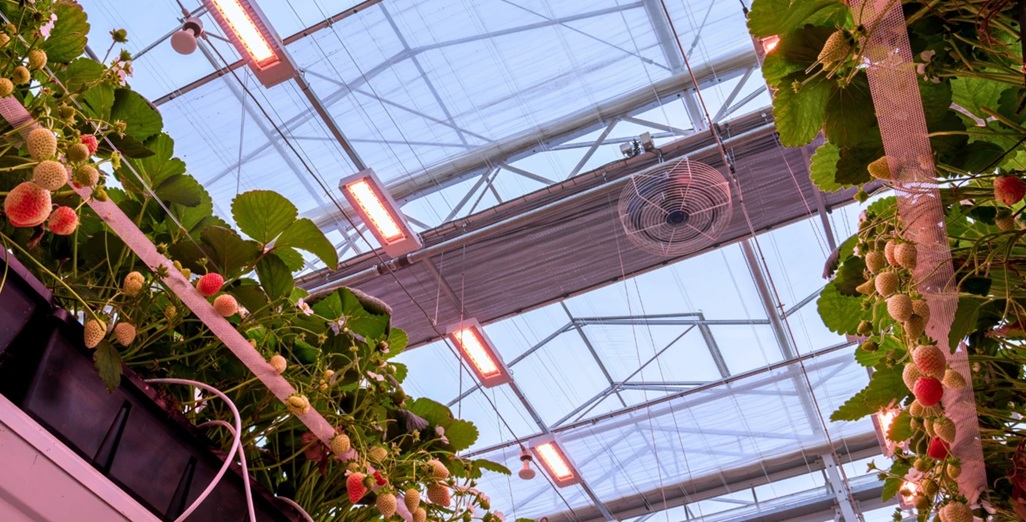
More air movement, fewer gaps, more energy savings
"The major challenge in the energy transition is to continue growing healthy and vital crops with less energy"
June 1, 2026
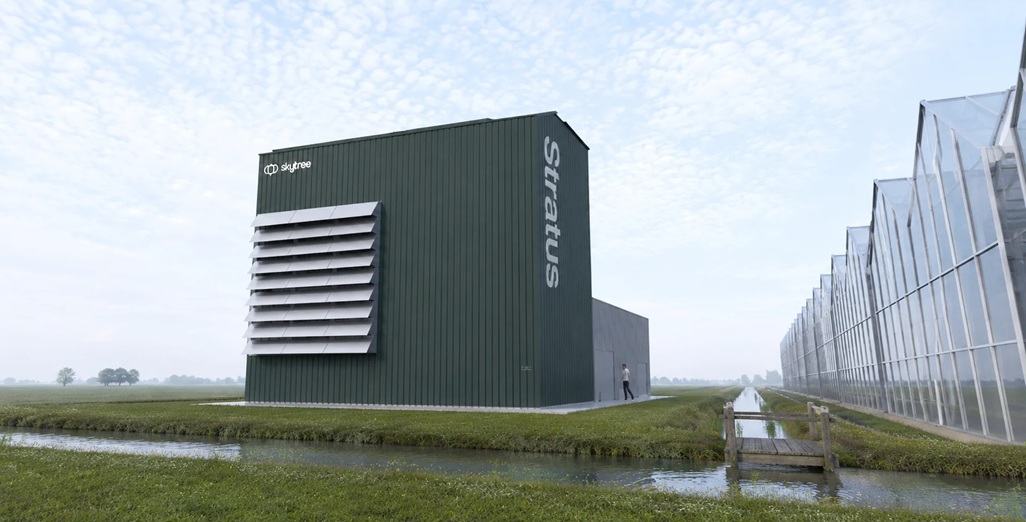
A major milestone has been reached in Direct Air Capture and agriculture
Strategic alliance will establish a decentralized, fossil-free CO₂ supply for a vital greenhouse cluster in the Netherlands that spans 80 hectares
June 1, 2026
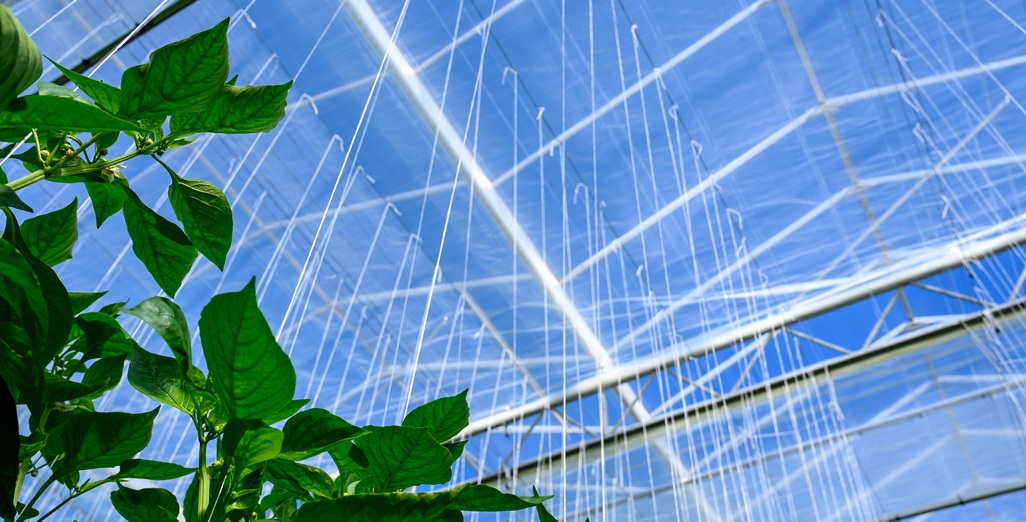
Phormium launches a new ultra-transparent energy screen: Diamond
The leading Belgian climate screen manufacturer Phormium announces the introduction of a brand-new revolutionary energy screen:
CLASSIFIED