

Sign up here to subscribe to the Grower2grower Ezine. Every two weeks you will receive new articles, specific to the protected cropping industry, informing you of industry news and events straight to your inbox.
10
Mar 2026
Mar 2026
Heating Uncertainty Leaves Greenhouse Growers Searching for Answers
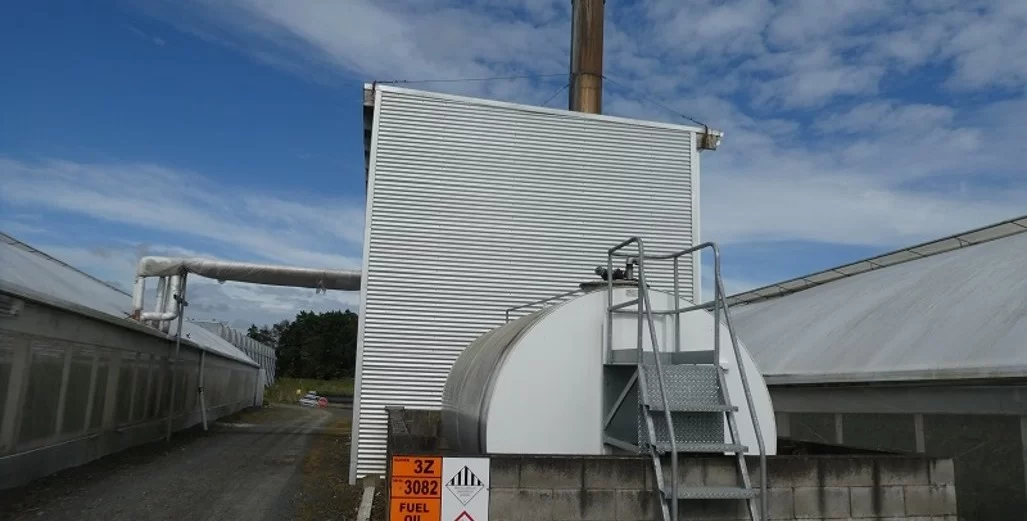
Waste oil supply changes force growers to reconsider long-term heating options ahead of winter.
Two weeks ago I was alerted that one of the major recycled waste oil suppliers, based in the Auckland region, will soon stop supplying greenhouse growers.
For one of my customers this came as a significant shock, particularly given that notice was given that deliveries will cease in the coming months – not ideal timing with winter approaching.
Hopefully the remaining suppliers of recycled waste oil will be able to support growers through the coming winter. However, for growers who have been extremely loyal long-term users of this fuel source, the short notice may leave some without a secure energy supply.
I suspect this will affect both vegetable and flower growing operations.
Recycled waste oil has proven to be a very good source of energy for greenhouse operations. It is generally reliable, cost-effective, and provides a productive use for a waste product that otherwise requires further processing or re-refining. However, as recycling companies in New Zealand continue to develop alternative recycling streams and markets for waste oil, this may have long-term implications for its availability as a fuel for greenhouse heating.
Many alternative heating options are often considered too expensive in terms of capital investment. Growers have recently been introduced to new tools such as geothermal resource mapping, which may identify opportunities for some operations in the future. While geothermal, heat pumps, and other technologies may offer possibilities, the capital cost and medium-term replacement of such systems may place them out of reach for many small to medium-sized greenhouse growers.
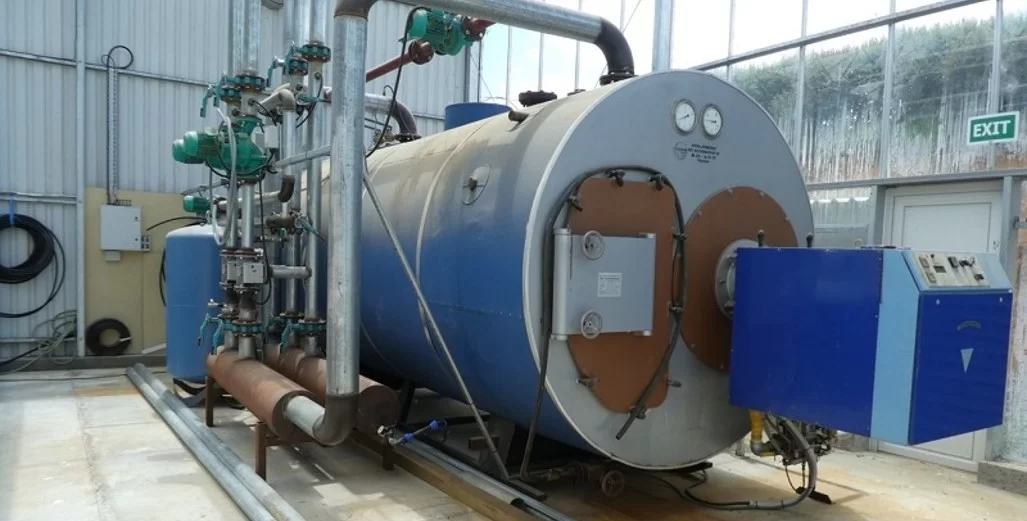
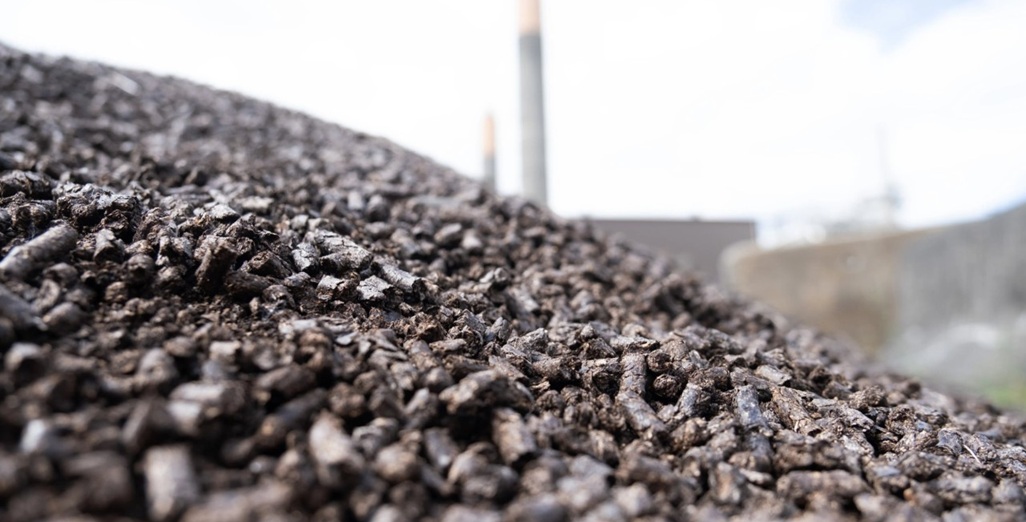
Based on the energy studies I have reviewed over recent years, one option that does appear to offer long-term security of supply is dry wood fuel, such as wood chips or pellets. Biomass fuels are widely used internationally in greenhouse production and can provide a stable and renewable energy source.
One drawback with biomass systems is that separate equipment is generally required if growers wish to capture CO₂ for enrichment. However, many growers currently using recycled waste oil do not capture CO₂, so for those operations this may not represent a significant change.
Energy systems also do not need to rely on a single source. In many cases, a combination of technologies can work effectively. However, when considering integration with heat pumps, solar, or wind generation, it is important to recognise the limitations. Much like we are seeing with the national grid, these sources can be variable. During winter, when greenhouse heat demand is highest, solar production is at its lowest.
Heat pump systems can also become less efficient in colder conditions, as the coefficient of performance declines and electricity demand increases – often at a time when grid electricity prices are already high.
Where heat pump systems can become more effective is when they are combined with stable temperature sources, such as warm ground water. These types of solutions can significantly improve efficiency and should form part of the broader conversation when growers are evaluating future energy strategies.
What the current situation does highlight is the importance of growers starting to think seriously about the long-term security of their energy supply. Heating remains one of the largest costs in greenhouse production, and decisions made today will influence the resilience and competitiveness of the industry for many years to come.
Stefan Vogrincic
CLASSIFIED



















Photo
Gallery












Subscribe to our E-Zine
More
From This Category
April 20, 2026
Autumn Challenges: Managing Humidity, Energy Constraints and Crop Balance
A Perfect Storm for Crop Performance
April 7, 2026
Energy Resilience for Greenhouse Horticulture: Electricity at the Core (not just for greenhouse horticulture but NZ Inc?)
Real opportunity for long-term resilience lies in electricity and bioenergy for growers

April 7, 2026
Geothermal Strategy released MBIE
From the Ground Up: A strategy to unlock New Zealand's geothermal potential - March 2026
March 23, 2026
The Carbon Difference Between LNG and Bioenergy: Does it Matter
As domestic gas supply declines and dry-year risks persist, New Zealand faces an important energy question. The challenge is not simply finding a replacement fuel, it is choosing an approach that supports long-term energy security while also reducing our carbon exposure.

March 10, 2026
Energy saving through screens
A combination of screen use, screen quality, greenhouse climate requirements, and greenhouse equipment.
March 10, 2026
Heating Uncertainty Leaves Greenhouse Growers Searching for Answers
Waste oil supply changes force growers to reconsider long-term heating options ahead of winter. Two weeks ago I was alerted that one of the major recycled waste oil suppliers, based in the Auckland region, will soon stop supplying greenhouse growers. For one of my customers this came as a significant shock, particularly given that notice was given that deliveries will cease in the coming months –
CLASSIFIED