

Sign up here to subscribe to the Grower2grower Ezine. Every two weeks you will receive new articles, specific to the protected cropping industry, informing you of industry news and events straight to your inbox.
19
May 2026
May 2026
Food Costs in England – “Cheap as Chips in the Supermarket, Astronomical Eating Out”
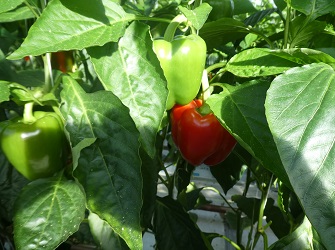
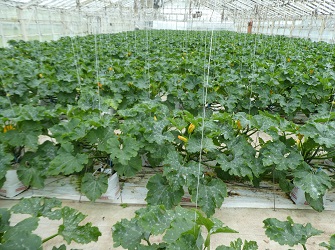
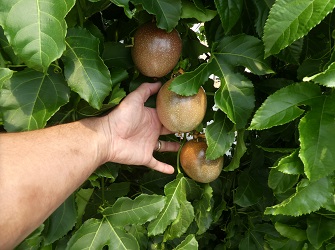
Yesterday (18 May) I returned from more than three weeks in UK. As usual, my first port of call when arriving in England was the supermarket — and particularly the vegetable section, much to the annoyance of my wife. Before long I was snapping photos of my favourite greenhouse vegetables.
By Stefan Vogrincic
As we completed our rather large supermarket shop, it became obvious just how much cheaper food prices are in the UK compared with New Zealand. I would estimate many comparable products were considerably lower than what we currently pay at home. These days it is easy enough to compare prices online if you have the time.
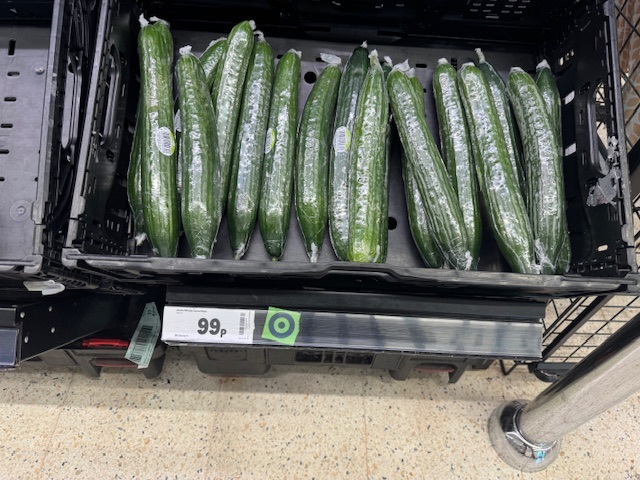
Telegraph cucumbers were retailing for 99p each for the entire time we were in England. These were imported cucumbers and were of excellent quality. At that price, though, you do wonder how local growers can achieve decent returns.
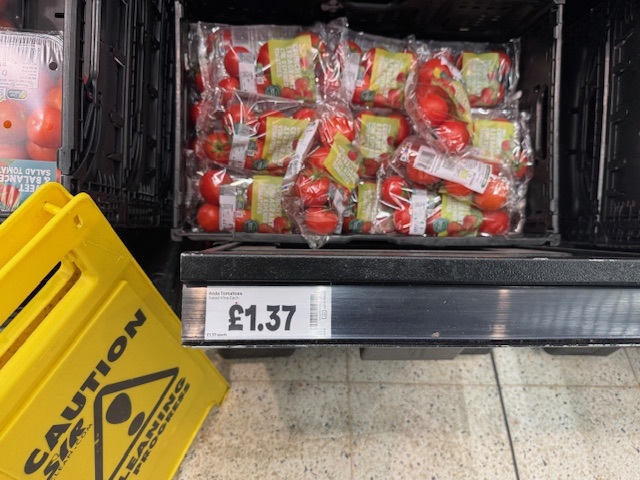
Tomatoes were slightly better value from a grower perspective, although most of the product available was also imported. The overall quality was average — acceptable without being exceptional. Much of the imported product was coming from Morocco, and it does make you question how growers in the UK or elsewhere can compete on a level playing field.
A quick search online suggested that an agricultural worker in Morocco earns around a minimum of 97.44 MAD per day — approximately NZ$18 per day (loosly based on todays eschange rate). Yes, I had to double-take when I saw that figure. It highlights the enormous labour cost differences between producing countries and explains why competing against some imported product is almost impossible.
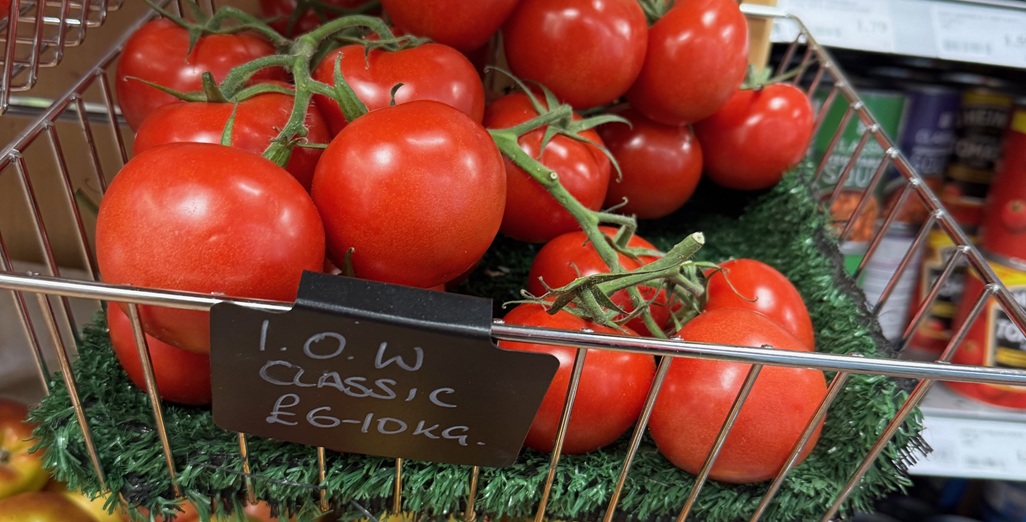
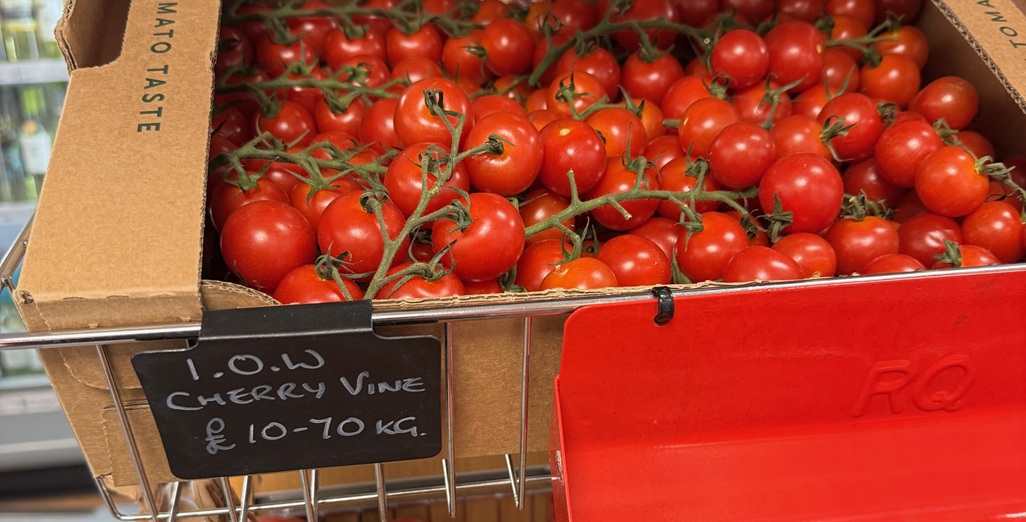
One interesting exception stood out during a visit to Corfe Castle (cover image). A small shop there was selling tomatoes from the Isle of Wight, where I once worked for a short period. These tomatoes were noticeably more expensive than the imported supermarket product, but the difference in quality was immediately obvious. The firmness, flavour and presentation were as good as you could hope to see. The shop assistant told me the tomatoes were in high demand locally, which again demonstrates that consumers will pay for genuine quality.
What surprised me most, however, was the contrast between supermarket food prices and the cost of eating out.
While supermarket shopping in the UK felt extremely affordable compared with New Zealand, eating out in cafés, pubs and restaurants was extraordinarily expensive. In my view it was at least a third more expensive than eating out in New Zealand.
I struggled to reconcile the difference between relatively cheap retail food prices and the high cost of restaurant meals. Several people suggested taxes, wages and operating costs were the main reasons. Whatever the cause, it was obvious that many people in the UK are eating out less frequently than before.
I even heard on the radio that, on average, two pubs are closing every week in the UK. Considering how deeply pub culture is woven into British social life, that statistic was quite striking.
My overall impression is that supermarket food pricing in the UK remains remarkably affordable, even despite ongoing political and economic pressures and regular public complaints about rising food costs. However, the supply chain is clearly not operating on a level playing field, particularly when it comes to imported produce from countries with vastly lower labour costs.
British-grown produce was also avaialble for the consumers and, in my opinion, was reasonably affordable considering the quality on offer.
Prices in the UK are certainly rising, and electricity costs would make your eyes water, but compared with New Zealand, supermarket food prices remain far more palatable.
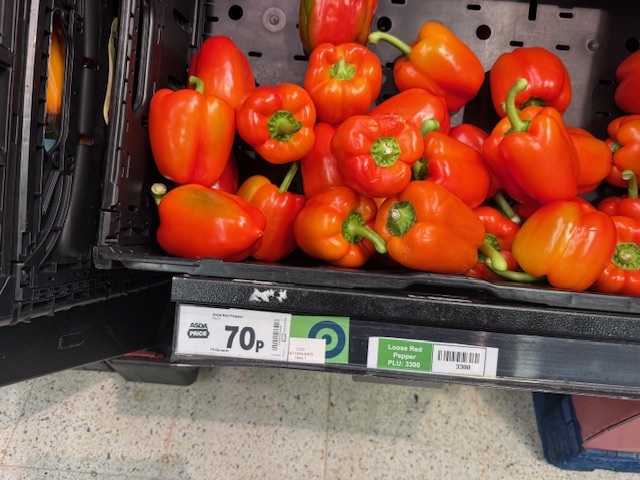
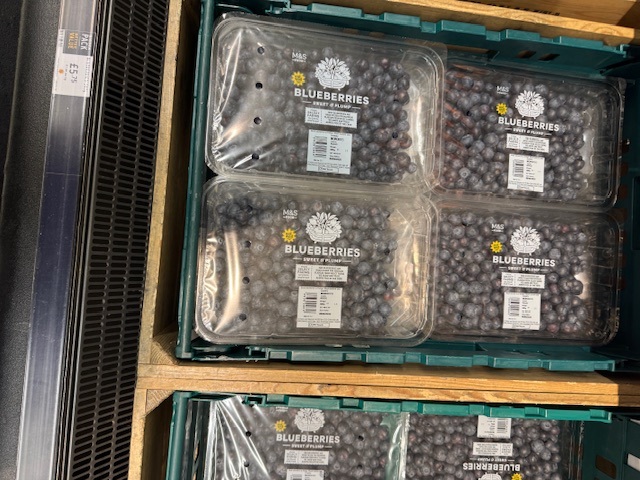
Interestingly, Moroccan blueberries were being sold in 500 g punnets, equating to £11.50 per kg.
CLASSIFIED

















Photo
Gallery














Subscribe to our E-Zine
More
From This Category
May 19, 2026
Food Costs in England – “Cheap as Chips in the Supermarket, Astronomical Eating Out”
Yesterday (18 May) I returned from more than three weeks in UK. As usual, my first port of call when arriving in England was the supermarket — and particularly the vegetable section, much to the annoyance of my wife. Before long I was snapping photos of my favourite greenhouse vegetables.
May 19, 2026
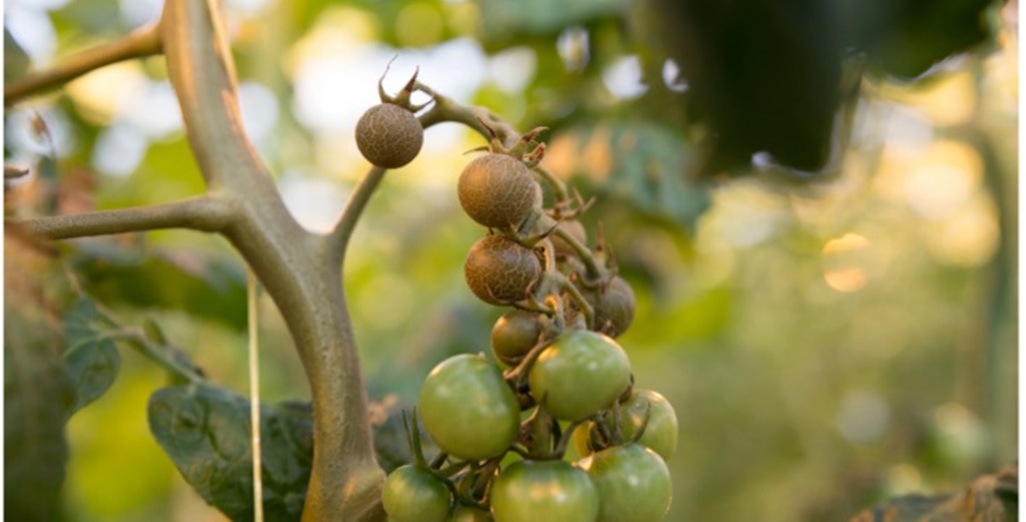
New technote for Tomato russet mite
New guidance on the use of chemical miticides for Tomato russet mite control provides growers with a broader range of management options.

May 5, 2026
Increasing cash: why extra height makes the difference for return and future
Raising a greenhouse is not a stopgap measure, but rather a strategic choice:

May 5, 2026
Horticentre Charitable Trust Continues Partnership with Grower2Grower for 2026
“Shared knowledge builds stronger growers and a stronger industry.”
April 20, 2026
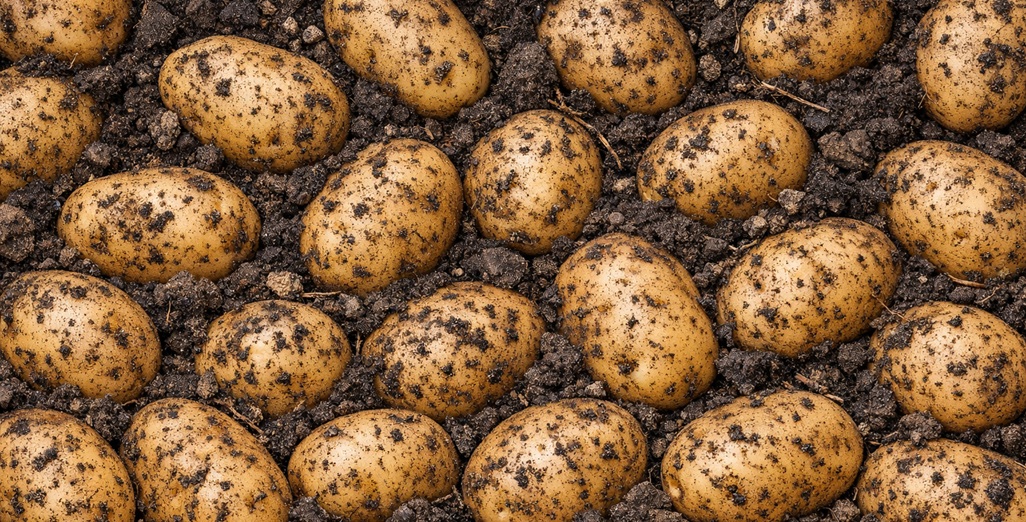
The Environmental Protection Authority (EPA) has approved a new fungicide seed treatment to control disease on potatoes.
The New Zealand potato industry is valued at approximately $1 billion annually, according to Potatoes New Zealand.

April 20, 2026
Signify wins HortiContact Innovation Award for Philips intelligent horticulture lighting solutions
“We are incredibly proud of this recognition”
CLASSIFIED