
Sign up here to subscribe to the Grower2grower Ezine. Every two weeks you will receive new articles, specific to the protected cropping industry, informing you of industry news and events straight to your inbox.
22
May 2018
May 2018
Greenhouse Energy Use Update
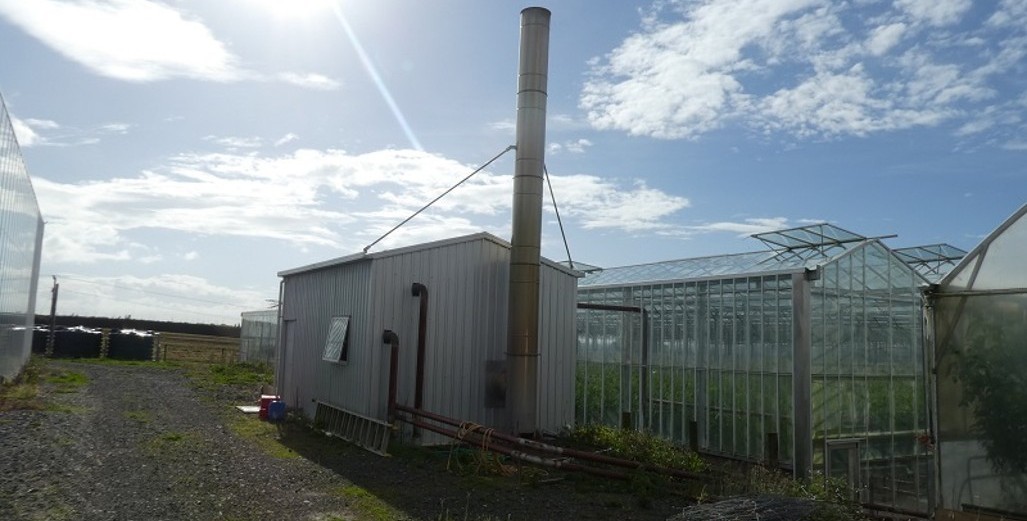
Greenhouse Energy Use Update
2004 v 2018, Apples with Apples?
A 2018 report, for Tomatoes NZ and Vegetables NZ, has been prepared on Greenhouse Energy use by analysts from Agrilink. The report is well written and the team at Agrilink need to be congratulated. It is a great shame that only 56 growers responded to this survey compared to 355 back in 2004. Unfortunately, for the team at Agrilink, they can only supply figures on the responses they receive. There are a lot more than 56 greenhouse growers using some source of energy to heat their greenhouses currently. Possibly not 355, as there were back in 2004. Two finding’s that caught my attention was energy consumption has increased by 5% but a 19% reduction of energy input per kilogram of standard tomatoes has occurred.
Personally I believe my energy use would have gone down per m2 dramatically from 2004 to 2015. I was always high input when it came to energy. In 2004 I would’ve been well above the average for energy use, and now I would be closer to the average in the 2018 report. During my most recent year of growing, in 2015, I had become more energy savvy (read my article last week on minimum and maximum pipes). I used new ideas and techniques to enhance the use of the suns energy to manipulate the 24 hour temperature, rather than my boiler. It is absolutely true in my mind that many growers have become much more efficient with energy use and its application.
This report indicates a sharp rise in production per m2, I believe that is mostly to do with the improvement in the varieties and substrates, heating efficiency has an impact but mainly the variety has been the game changer if I am going to be honest.
The report is about energy use and not cost per m2. The cost of energy will contribute to how much energy a grower will use. I was paying more for my energy per unit compared to a large operation. It simply came down to scale. That is one very large advantage that the bigger growing operations have over the smaller growers. It was always interesting to know what the energy bill was at the end of each month and annually, let’s face it, that’s what I looked at first not unit usage. My energy usage hardly wavered during the most recent three-year period I grew, I produced and earnt very similar amounts but my cost per m2 went from roughly $13.50 to $ 15.80 purely on the increase in energy cost. It would have been very easy to reduce my energy consumption further but there is a point this becomes detrimental to the productivity, then you suffer twice.
In summation, and I have no figures to back this up, but I would suggest that a lot or most growers with heating capabilities have actually reduced energy consumption compared to 2004. Energy is one of the larger expenses for growers and keeps rising, so I don’t think on average current growers, who were growing back in 2004, are using more energy per m2 today. I wonder if there is a lot less non heated greenhouse respondents in the 2018 report compared to 2004 which would have brought down the average energy usage per m2 back then. It shows the importance of everyone participating in such a report so the figures can be given more weight. I like to think modern greenhouse growers are very responsible and more knowledgeable regarding energy efficiency, the numbers in the report are correct but because of the changing nature of the industry and the low respondents it poses more questions than answers.
I’m really interested to hear your views on this topic.
I appreciate your comments. Please feel free to comment below or on the grower2grower Facebook page:
Article Written by Stefan Vogrincic, Consultant, Grower2Growerhttps://www.facebook.com/StefanGrower2grower/
CLASSIFIED












Subscribe to our E-Zine
More
From This Category
April 20, 2026
Autumn Challenges: Managing Humidity, Energy Constraints and Crop Balance
A Perfect Storm for Crop Performance
April 7, 2026
Energy Resilience for Greenhouse Horticulture: Electricity at the Core (not just for greenhouse horticulture but NZ Inc?)
Real opportunity for long-term resilience lies in electricity and bioenergy for growers

April 7, 2026
Geothermal Strategy released MBIE
From the Ground Up: A strategy to unlock New Zealand's geothermal potential - March 2026
March 23, 2026
The Carbon Difference Between LNG and Bioenergy: Does it Matter
As domestic gas supply declines and dry-year risks persist, New Zealand faces an important energy question. The challenge is not simply finding a replacement fuel, it is choosing an approach that supports long-term energy security while also reducing our carbon exposure.
March 10, 2026
Energy saving through screens
A combination of screen use, screen quality, greenhouse climate requirements, and greenhouse equipment.
March 10, 2026
Heating Uncertainty Leaves Greenhouse Growers Searching for Answers
Waste oil supply changes force growers to reconsider long-term heating options ahead of winter. Two weeks ago I was alerted that one of the major recycled waste oil suppliers, based in the Auckland region, will soon stop supplying greenhouse growers. For one of my customers this came as a significant shock, particularly given that notice was given that deliveries will cease in the coming months –
CLASSIFIED